One Community
Pioneering the Global-Sustainability Systems Movement – One Community Weekly Progress Update #710
At One Community, we are pioneering the global-sustainability systems movement as an all-volunteer team dedicated to creating a world that works for everyone. We are developing sustainable approaches to food, energy, housing, education, economics, social architecture, and global stewardship, and we are open sourcing and freely sharing the complete process along the way. Our goal is a model that replicates itself, forming a worldwide network of teacher/demonstration hubs. Every step we take is guided by “The Highest Good of All” as we work to regenerate our planet.
- Here’s our project overview
- Here’s our world-change methodology
- Here’s how this becomes self-replicating
- Here’s how we are open source and free-sharing all the do-it-yourself designs
OUR MAIN OPEN SOURCE HUBS
Click on each icon to be taken to the corresponding Highest Good hub page.
One Community’s physical location will forward this movement as the first of many self-replicating teacher/demonstration communities, villages, and cities to be built around the world. This is the October 26, 2026 edition (#710) of our weekly progress update detailing our team’s development and accomplishments:
Pioneering the Global-
Sustainability Systems Movement
One Community Progress Update #710
Video coming soon
DONATE | COLLABORATE | HELP WITH LARGE-SCALE FUNDING
CLICK HERE IF YOU’D LIKE TO RECEIVE AN EMAIL EACH WEEK WHEN WE RELEASE A NEW UPDATE
YOU CAN ALSO JOIN US THROUGH SOCIAL MEDIA


ONE COMMUNITY WEEKLY UPDATE DETAILS
HIGHEST GOOD HOUSING PROGRESS
One Community is pioneering the global-sustainability systems movement through Highest Good housing that is artistic and beautiful, more affordable, more space efficient, lasts longer, DIY buildable, and constructed with healthy and sustainable materials:
- Learn about: Our Upcoming Crowdfunding Campaign
- Learn about the different village models and pioneering the global-sustainability systems movement: 7 Sustainable Village Models
- Visit the open source portals for the first two: Earthbag Village OS Hub | Straw Bale Village OS Hub
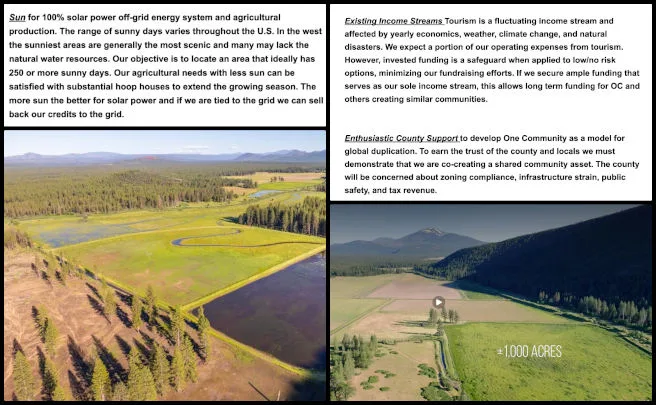
This week, the core team continued working on the Highest Good Housing component of property research. They reviewed properties in northeastern Oregon within the Wallowa-Whitman area of the Blue Mountains and identified a substantial property near La Grande with abundant available water. The images below highlight this property research supporting One Community’s pioneering the global-sustainability systems movement.
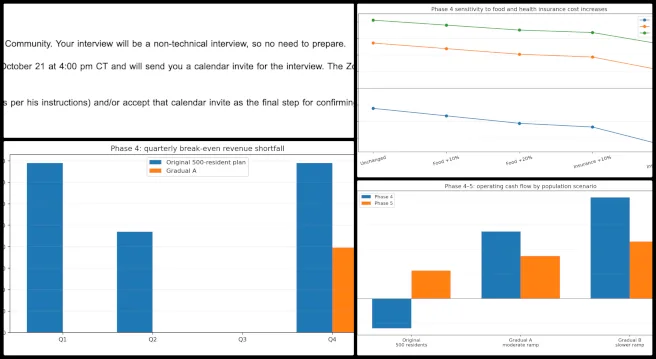
Sahithi Reddy Chitkula (Data Analyst) continued working on Highest Good Housing revenue projections by refining the Phase 4 and 5 financial scenarios and developing gradual population growth projections. She compared the revised estimates with Udayan’s original model and analyzed their effects on quarterly expenses, net cash flow, and cumulative cash flow. Sahithi also extended the break-even and sensitivity analysis to calculate the additional revenue needed to offset negative quarterly cash flow under different population scenarios and reviewed how food and health insurance costs affect operating expenses and profitability. She consolidated the revised scenarios, checked formula consistency across the financial model, and documented key assumptions, financial risks, and remaining issues for team review. She also supported administration by conducting Data Analyst and Software Engineer interviews, reviewing Nikhil’s four-step Admin training process, and completing weekly blog review work. The collage below highlights her financial analysis and administrative work supporting One Community’s pioneering the global-sustainability systems movement.
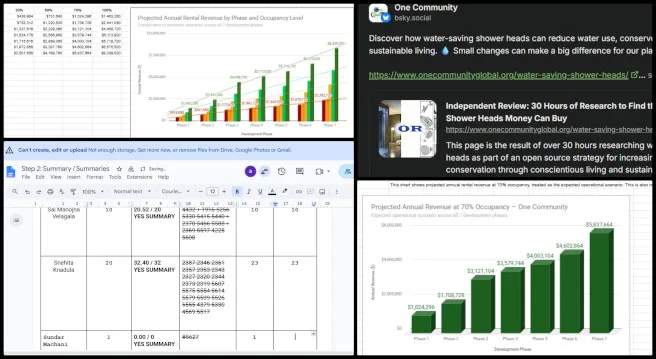
Shameera Musthafa (Data Analyst) supported the Administration Team and the PR Review Team by coordinating review workflows, reviewing team deliverables, organizing project images, creating visual collages, and finalizing blog content. She also reviewed the Highest Good Housing rental revenue projections and Master Financial Sheets, identifying inconsistencies in Year and Phase labels and reviewing how planned population increases could affect cash flow. The financial review covered population growth scenarios, cash flow, break-even analysis, rental rates, food costs, and insurance assumptions. Shameera also contributed to Highest Good Food report pages and visualizations and managed One Community’s Bluesky social media content. The images below showcase her review, visualization, and administrative work contributing to One Community’s pioneering the global-sustainability systems movement.
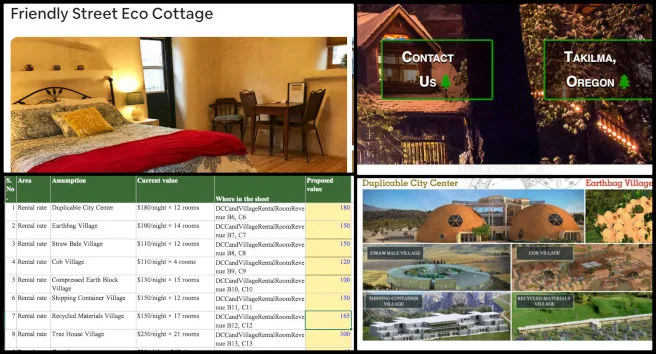
Srikanth Mangali (Financial Analyst) worked on the Highest Good Housing revenue projections review for the One Community Master Financial Sheet, focusing on rental rates, food costs, and insurance assumptions across development phases. He created an assumptions review tracker documenting current values and their locations within the financial model. Srikanth compared existing rental rates for the Duplicable City Center, seven eco-villages, and camping accommodations with comparable eco-cottages, cabins, treehouses, hotels, and campgrounds in Oregon, Washington, and California. He calculated low, average, and high nightly rates for each accommodation type and proposed updated rates based on average market pricing. He also researched 2026 health, vehicle, and liability insurance costs and USDA food cost data, documented proposed values, and added supporting sources, calculations, and reasoning to the tracker. The images below highlight his assumptions and market research supporting One Community’s pioneering the global-sustainability systems movement.
DUPLICABLE CITY CENTER PROGRESS
One Community is pioneering the global-sustainability systems movement through a Duplicable and Sustainable City Center that is LEED Platinum certified/Sustainable, can feed 200 people at a time, provide laundry for over 300 people, is beautiful, spacious, and saves resources, money, and space:
- Learn about this building, its function, and pioneering the global-sustainability systems movement: Duplicable City Center Open Source Hub
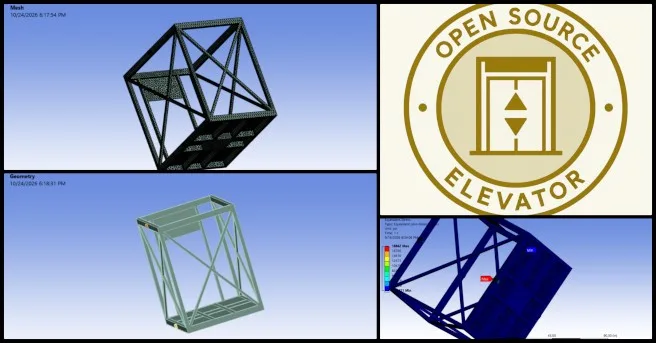
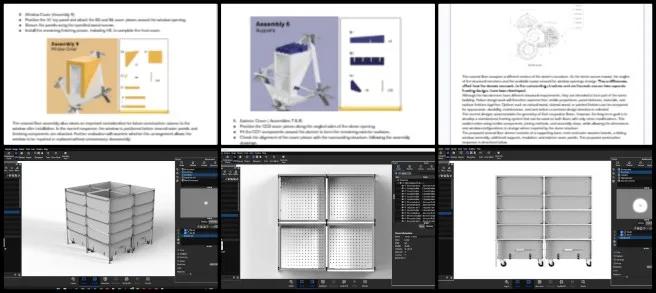
This week, Nidish Reddy Koppula (Mechanical Engineer) continued working on the Duplicable City Center design. He submitted the final version of the hydraulic elevator project report after completing the remaining updates and checks. He also customized the existing project logos and adjusted their formatting for use within the documentation and related materials. In addition, Nidish worked on the finite element analysis setup, including solver configuration, meshing, and related model settings, and made adjustments to support the next stage of analysis work. This open source Duplicable City Center project contributes towards pioneering the global-sustainability systems movement. The collage below shows his work for this week.
Manav Rajubhai Oza (Industrial Designer) continued working on the Duplicable City Center design by reviewing and editing the article content in the 1041 Dormer Final Report based on feedback and previously published One Community articles. He focused on improving the writing structure, maintaining consistent terminology and sentence style, removing repetitive information, and aligning the content with the organization’s writing format. Manav also worked on the 3D rendering task by reviewing the available models, setting up materials, lighting, and camera angles in KeyShot, and producing high-quality renders from different perspectives. Additionally, he prepared SolidWorks views with dimensions for technical documentation. This open source Duplicable City Center project helps in pioneering the global-sustainability systems movement. The following images showcase his work.
HIGHEST GOOD FOOD PROGRESS
One Community is pioneering the global-sustainability systems movement through Highest Good food that is more diverse, more nutritious, locally grown and sustainable, and part of our open source botanical garden model to support and share bio-diversity:
- Learn about the structures and pioneering the global-sustainability systems movement: Hoop House Hub | Aquapini & Walipini Open Source Hub
- See what we’ll be growing: Gardens & Hoop Houses | Large-scale Structures | Food Forest | Tropical Atrium
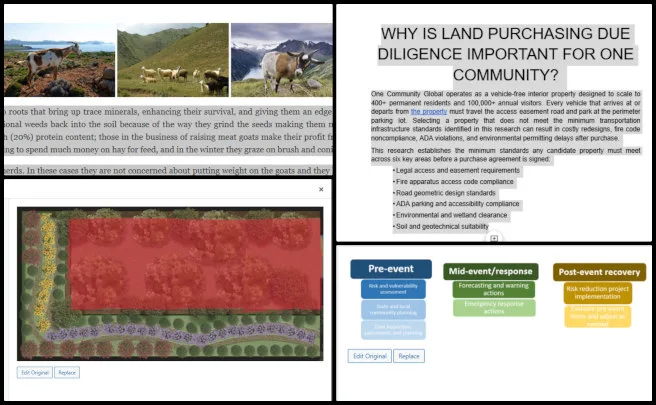
This week, Navya Eeshani Boyapati (Web Designer) worked on Task 1031: SEO Optimize All Page Images by reviewing webpage images and updating them with descriptive, SEO-friendly alternative text and relevant keywords to improve accessibility and search visibility. She also began Task 965: Land Purchasing and Transportation Infrastructure Due Diligence Guide by reviewing the provided content and organizing and formatting the webpage according to project requirements. The images below showcase her webpage and SEO work supporting One Community’s pioneering the global-sustainability systems movement.
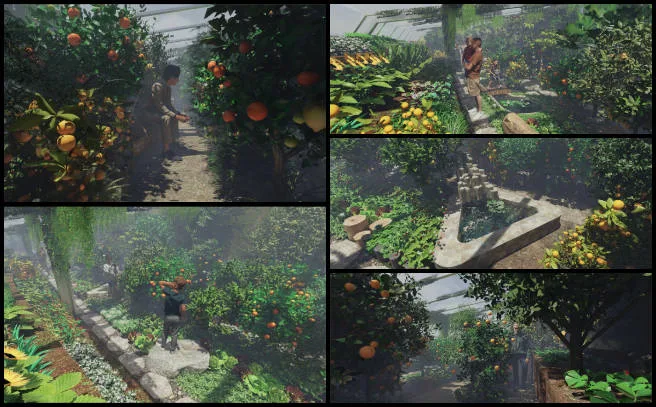
Zoey Zou (Landscape Architect) continued developing the Large Aquapini model, renderings, walkthrough video, and project write-up based on feedback from Jae, contributing to One Community’s work in pioneering the global-sustainability systems movement. She revised planting beds, seating, beams, and wood surfaces to improve material accuracy and create a more aged, natural appearance. Zoey checked for clipping, floating objects, duplicated people, and placement errors, making adjustments where needed. She also tested methods for depicting the aquaponics dripping water system and refined the effect to represent continuous dripping. In D5, Zoey adjusted lighting, camera views, plant movement, and rendering settings, produced updated high-resolution images, and rendered a 1080p walkthrough video.
Additionally, she revised the video’s length and camera movement to match the selected music’s timing and pacing. Zoey also updated the project write-up to describe circulation, resting and harvesting areas, layered polyculture planting, keyhole gardens, aquaponics ponds, water features, aquaculture, single-pump water circulation, media-bed irrigation and filtration, and community gathering and learning spaces, furthering One Community’s mission of pioneering the global-sustainability systems movement. See the collage below for views of her updated Large Aquapini design.
HIGHEST GOOD ENERGY PROGRESS
One Community is pioneering the global-sustainability systems movement through Highest Good energy that is more sustainable, resilient, supports self-sufficiency and includes solar, wind, hydro, and more:
- Learn about the open source sustainable-energy foundations and pioneering the global-sustainability systems movement: Solar, Hydro, and Wind
- Explore our research into the most sustainable products and companies for saving water and energy: Insulation, Eco-laundry, Lightbulbs and Light Bulb Companies, Doors and Door Companies, Windows and Window Companies, Toilets, Faucets and Faucet Accessories, Urinals, and more.
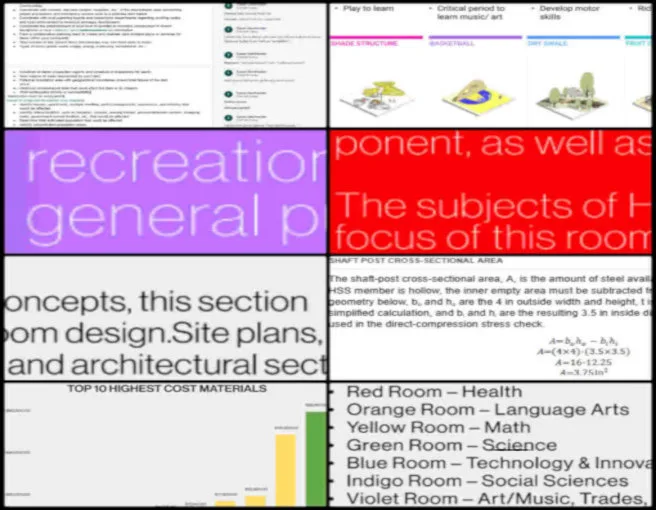
This week, the core team finished reviewing the DIY Earthen Dam Design and Construction webpage and added feedback as comments to the related Google document. They also reviewed the Elevator Design FEA Report and made edits and suggestions for the Highest Good Energy initiative, part of One Community’s work. In addition, they read through The Ultimate Classroom book and provided suggestions on the corresponding document. See the image below for highlights of their work contributing to One Community’s mission of pioneering the global-sustainability systems movement.
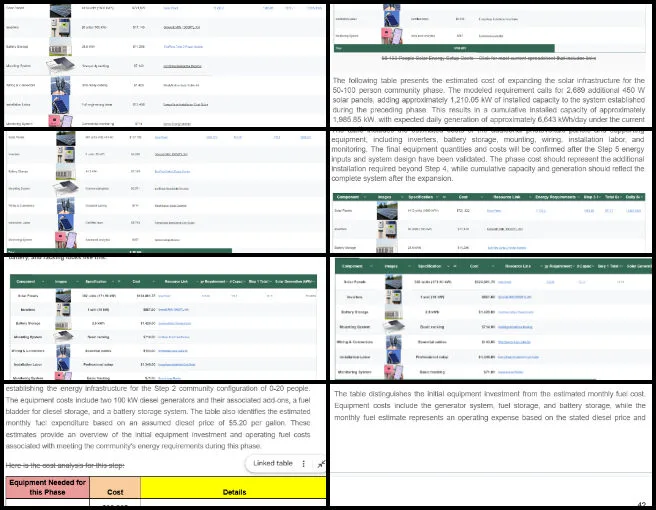
Rohan Pariakar (Operations and Supply Chain Analyst) continued updating the Highest Good Energy infrastructure report and supporting spreadsheets for One Community, focusing on revised solar estimates, phase-specific equipment costs, and report descriptions. He updated the solar tables for Steps 2, 3, and 4 to reflect revised energy requirements, panel quantities, installed and cumulative capacity, expected daily generation, and costs. For Step 3, he added 961 additional 450 W panels (432.45 kW), bringing cumulative capacity to about 775.8 kW and expected daily generation to about 2,595 kWh. For Step 4, he added 2,689 panels (1,210.05 kW), bringing cumulative capacity to about 1,985.85 kW and daily generation to about 6,643 kWh, contributing to One Community’s mission of pioneering the global-sustainability systems movement.
Rohan also reviewed costs for inverters, batteries, mounting, wiring, labor, and monitoring, with current phase-expansion estimates of $133,927.78 for Step 2, $180,001 for Step 3, and $485,460 for Step 4. He checked the Step 5 estimates against the modeled daily requirement of 11,733.2 kWh/day and identified inconsistencies in panel quantity, cumulative capacity, and expected generation that need correction. In parallel, he revised the cost table descriptions to distinguish incremental phase costs from cumulative capacity and generation, and reviewed the Step 2 energy cost analysis, including two 100 kW diesel generators, fuel storage, and monthly fuel costs at $5.20 per gallon. He added battery storage safety considerations and refined the report’s formatting, headings, and terminology for consistency with the underlying calculations. The collage below shows some of his work pioneering the global-sustainability systems movement.
HIGHEST GOOD EDUCATION PROGRESS
One Community is pioneering the global-sustainability systems movement through Highest Good education that is for all ages, applicable in any environment, adaptable to individual needs, far exceeds traditional education standards, and more fun for both the teachers and the students. This component of One Community is about 95% complete with only the Open Source School Licensing and Ultimate Classroom construction and assembly details remaining to be finished. We’ll report on the final two elements to be finished as we develop them.
With over 8 years of work invested in the process, the sections below are all complete until we move onto the property and continue the development and open sourcing process with teachers and students – a development process that is built directly into the structure of the education program and everything else we’re creating too:
- Program Overview: Education Open Source Hub
- How the components work together in designing human orchestrated eco-abundance and pioneering the global-sustainability systems movement: How to use the Education for Life Program
- Lesson Plans for Life – Lesson Plans How-to
- Foundations of Outstanding Leaders, Teachers, and Communicators
- Curriculum for Life
- Teaching Strategies for Life
- Learning Tools and Toys for Life
- Evaluation and Evolution
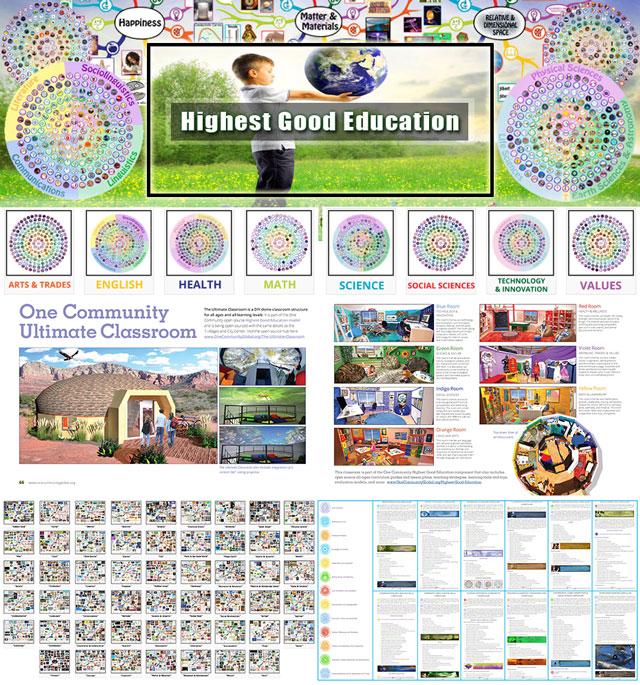
Highest Good Education: All Subjects | All Learning Levels | Any Age – Click image for the open source hub
HIGHEST GOOD SOCIETY PROGRESS
One Community is pioneering the global-sustainability systems movement through a Highest Good society approach to living that is founded on fulfilled living, the study of meeting human needs, Community, and making a difference in the world:
- Read the Highest Good society overview and pioneering the global-sustainability systems movement: Highest Good Society
- Learn about the model for fulfilled living and sharing: A Day in the Life
- Learn about the 4 economic models: RBE | For-profit | Non-profit | Entrepreneurship
- Learn about our open source community collaboration and management software: The Highest Good Network
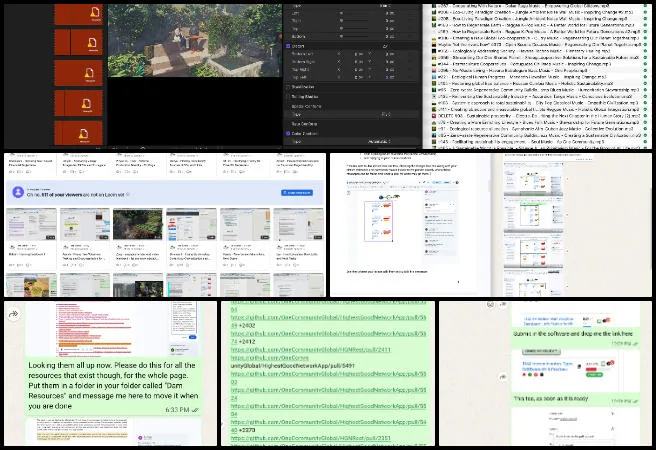
This week, the core team completed over 45 hours of work managing volunteer work reviews, handling emails, overseeing social media accounts, supporting web development, and identifying and integrating bug fixes for the Highest Good Network. They also interviewed and onboarded new volunteer team members. Additionally, they produced and integrated the video above about pioneering the global-sustainability systems movement. The video also explores how pioneering the global-sustainability systems movement serves as a foundational element of One Community’s broader mission. The following images showcase their work.
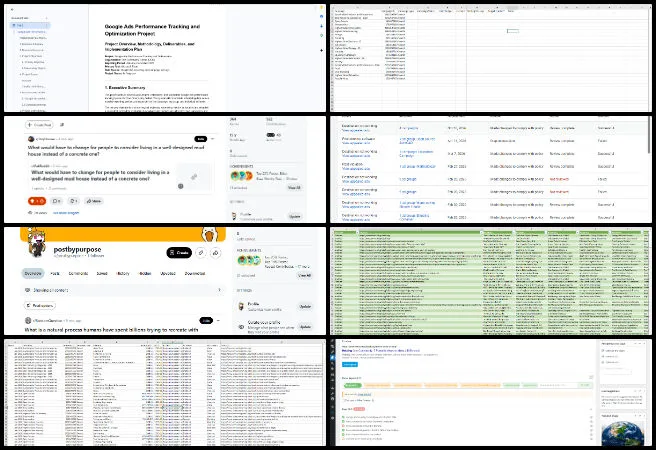
Adhya Rastogi (Business Analyst) continued updating the Google Ads Campaign Tracking Spreadsheet with current campaign and performance data, adding traffic and measurement columns. She published Reddit discussion posts and participated in relevant conversations through the PostByPurpose and One Community accounts. Adhya also explored Google Search Console and Google Analytics 4 Free Form Exploration to understand search performance, user behavior, and custom data analysis. She completed content updates for the Donate, Contribute, Join, and Ways to Help pages, added relevant information and a bottom Donate button, and investigated an issue affecting its functionality furthering One Community’s mission of pioneering the global-sustainability systems movement.
In addition, Adhya identified pending URL changes required to improve Rank Math SEO scores. To develop her digital marketing skills, she watched educational videos on analytics, digital marketing, and Google Ads campaign management. Further, Adhya reviewed recent Google Ads activity and performance and continued developing the Excel tracking workbook by adding Monthly Tracker and Campaign Settings worksheets. She also prepared project documentation outlining the tracking process, objectives, methodology, expected outcomes, applications, and a checklist of tasks for implementation. See the collage below for highlights of her work towards pioneering the global-sustainability systems movement for the Highest Good Network.
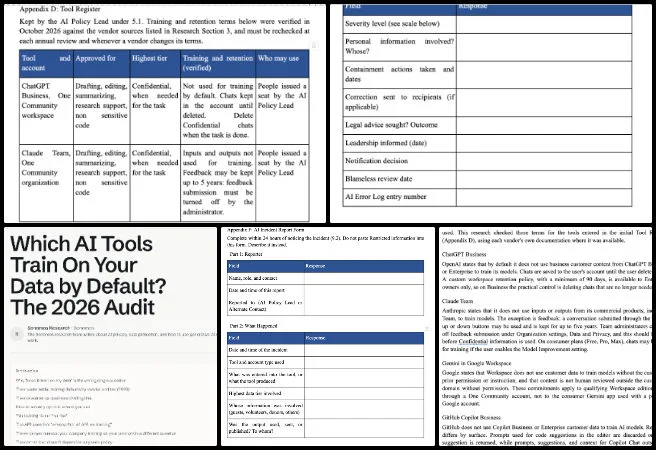
Anagha Sunil Bharadwaj (Legal Research and AI Policy Specialist) continued her research on perpetual purpose trusts across US jurisdictions and their practical implications. She worked on creating the One Community AI Usage Policy for HG Society, reviewed the policy, tested it against realistic scenarios, and revised it to close the gaps found. Anagha also built the Tool Register and the supporting forms, and prepared rollout materials for volunteers and a cover summary for leadership. She added guidance tailored to specific uses for construction and engineering, guest operations, volunteer coordination, finance and donors, and technical work, along with an escalation path for incidents involving the AI Policy Lead and a method for detecting unsanctioned AI use contributing to One Community’s mission of pioneering the global-sustainability systems movement.
Anagha also checked the policy against current state AI employment laws and tested it through a tabletop exercise. The policy, forms, Tool Register, and supporting materials were then assembled into a single package with a handoff note. See the collage below for her week’s work, furthering One Community’s mission of pioneering the global-sustainability systems movement for the Highest Good Network.
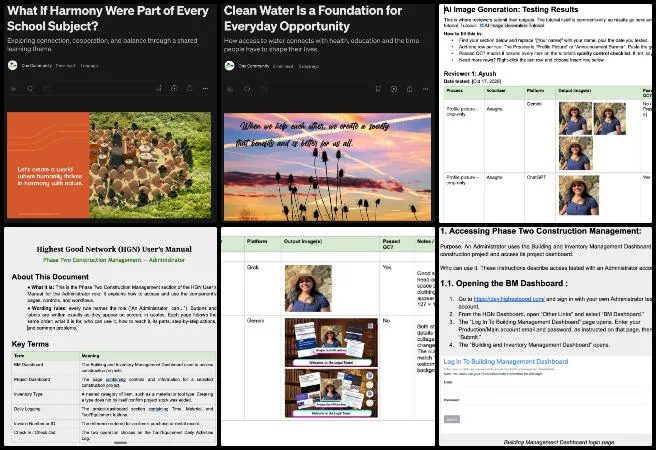
Ayush Meshram (Admin) prepared and published three Medium articles covering reuse, clean-water access, and harmony in education, added approved images and accessibility text, and recorded publication details in the content sheet. He tested AI profile-image and announcement-banner prompts, documented output quality and formatting issues, and submitted results and clarification comments. Ayush also created an Administrator testing account for Highest Good Network Phase Two and checked material and tool forms, lesson creation, member time logging, inventory-type editing, and tool check-in/check-out screens. He recorded validation results, calculation checks, navigation discrepancies, and blocked workflows in a draft manual and test log. Further, Ayush created the Phase Two Administrator section in the shared HGN User Manual, added introductory content and key terms, documented access and project-dashboard navigation, and included a screenshot with a caption. The collage below shows some of his work towards pioneering the global-sustainability systems movement.
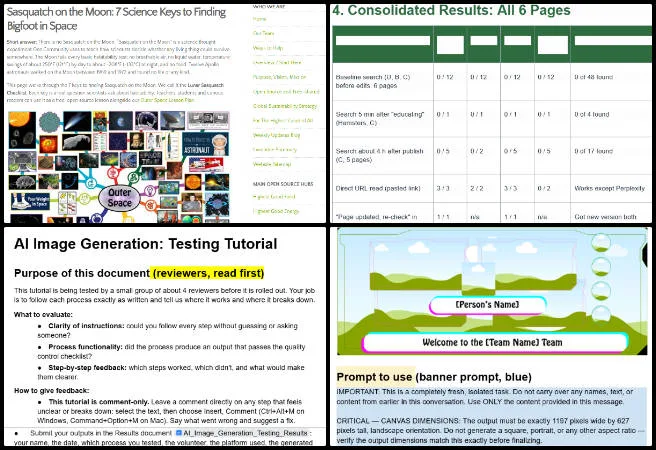
Devarsh Wali (Program Manager) continued supporting the weekly blog review process, Admin Team procedures, and Highest Good Network software development. He also continued advancing the AI optimization report by running and documenting tests across multiple AI platforms, including Groq AI, Claude, Perplexity and ChatGPT. Devarsh compared SEO keyword variations across platforms, evaluated differences in how the models responded and documented the results to strengthen the report’s findings. Further, he supported PR testing alongside the AI optimization work, and worked on AI Image Creation Prompt Testing by running experiments across three AI platforms. He then documented the results for further evaluation. The images below provide examples of his week’s work towards pioneering the global-sustainability systems movement.
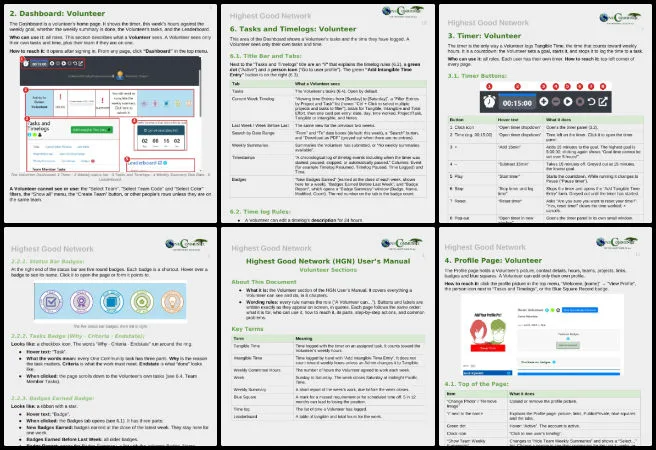
Sethuraman Karunanithi (Industrial Engineer) continued working on the Volunteer section of the Highest Good Network. He replaced the Volunteer tab in the HGN User Manual Google Doc with the updated Volunteer section, which includes the changes from Jae’s feedback and the new pictures. Sethuraman also checked the pasted version for pictures, tables, and the One Community Policy box that moved during the paste. He added comments for Jae where the clock icons and the warning tracker circles have no hover text. He then went through the document and fixed or accepted the underlined words flagged by Google Docs. Sethuraman sent Jae the link to the Volunteer tab for review, and listed the items still needed for the Volunteer section: a Leaderboard picture of a Volunteer on a team, a picture of the Badges tab with badges earned, and a picture of the email generated by a bug report. See the collage below for his work toward pioneering the global-sustainability systems movement.
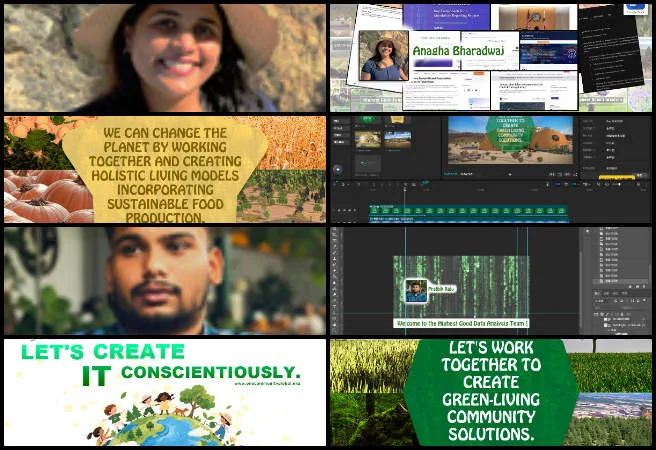
Jinglin Zhang (Graphic Designer) completed the website bios and volunteer announcement graphics for Anagha and Prathik. She also researched TikTok and Instagram content formats and image dimensions to learn the requirements for creating content for both platforms. Jinglin then experimented with AI tools to add motion to several existing images and tested ways to combine text with animated visuals for social media content. See the collage below for her work towards pioneering the global-sustainability systems movement for the Highest Good Network.
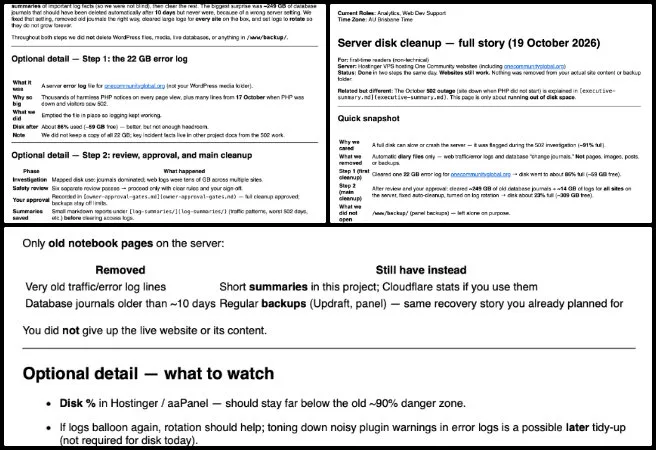
Jin Hua (Website, AdWords, and Analytics Administrator) fixed site issues, helping with a server disk cleanup that cleared over 250 GB of unneeded files and logs across all our sites. Our website is the foundation for sharing all our open source plans for pioneering the global-sustainability systems movement. See below for images and the Highest Good Network page related to this website restoration work.
ADMINISTRATION TEAM
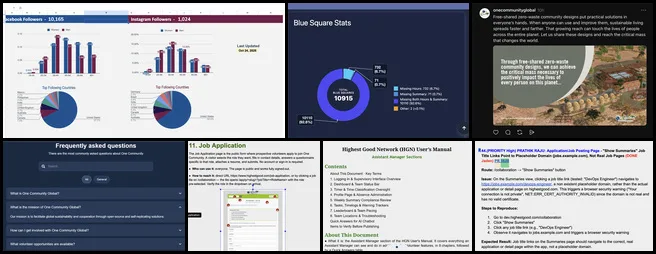
The Administration Team’s summary, which covers their work on the Highest Good Network, was managed by Srikanth Mangali (Data Analyst) and includes Fnu Rukmangada “Ruku” (Administrative Assistant), Gargi Vipat (AI Engineer), Pandithya Reddy Dasari (Business Analyst), Prathik Raju (Data Analyst), Sai Sree Dongari (Data Analyst), Shreyas Harish (Data Engineer), and Tanmay Nihal Harwani (Data Scientist). The Administration Team supports the Highest Good Network, a tool designed to track and measure progress in pioneering the global-sustainability systems movement. The team handles administrative support, documentation, testing, training, analytics, and content management.
This week, Ruku rewrote her document in the correct format based on feedback from the core team and checked tasks for all members on the HGN dashboard each day as Deadline Administrator. She also reviewed Nikhil’s admin training work and completed all four steps of the weekly admin process. Gargi reviewed administrators’ corrections as Corrections Administrator and analyzed results from four testers of the AI Image Generation tutorial. She also expanded the Assistant Manager section of the HGN User Manual with sections on the Weekly Summaries Report, the Reports page, and Timer and Time Classification Oversight. This open source Highest Good Network work contributes towards pioneering the global-sustainability systems movement.
Pandithya worked on the Administration Team blog and reviewed comments made by six administrators on their team members’ documents as Senior Administrator. She also reviewed Nikhil’s training work and tested PR #5544, PR #5628, and PR #5502, checking job application links and job title connections. Prathik reviewed volunteer time logs and tested the Total Construction Summary dashboard, logging three bugs related to project names, labels, filter options, trend colors, and a duplicate card. He also completed weekly Facebook and Instagram analytics, scheduled social media posts, and completed the Team Binary Brigade blog work. Their testing and administration on the Highest Good Network contribute towards pioneering the global-sustainability systems movement.
Sai Sree organized review images, created collages, and finalized blog content for the PR Admin Team. She also tested multiple PRs in the Highest Good Network development environment, covering analytics dashboards, donut charts, job role graphs, timer functions, FAQ features, and volunteer status metrics. Shreyas completed the Alpha Team blog work for week #709 and compared AI image generation quality across Gemini, Grok, and ChatGPT. He also tested several pull requests, assigned tasks to volunteers who requested hours, and created an AI training manual for the Total Organization Summary dashboard. This open source Highest Good Network work contributes towards pioneering the global-sustainability systems movement.
Tanmay managed bio records, weekly blog compilation, and social media, revising bios and consolidating content from team blogs into the weekly blog. He also shared posts on Threads, updated the Social Media Master Dashboard, and tested merged PRs. His open source content work contributes towards pioneering the global-sustainability systems movement. The collage below shows this team’s work.
HIGHEST GOOD NETWORK PROGRESS
 One Community is pioneering the global-sustainability systems movement through open source Highest Good Network® software that is a web-based application for collaboration, time tracking, and objective data collection. The purpose of the Highest Good Network is to provide software for internal operations and external cooperation. It is being designed for global use in support of the different countries and communities replicating the One Community sustainable village models and related components.
- Learn about our open source community collaboration, management software, and pioneering the global-sustainability systems movement: The Highest Good Network
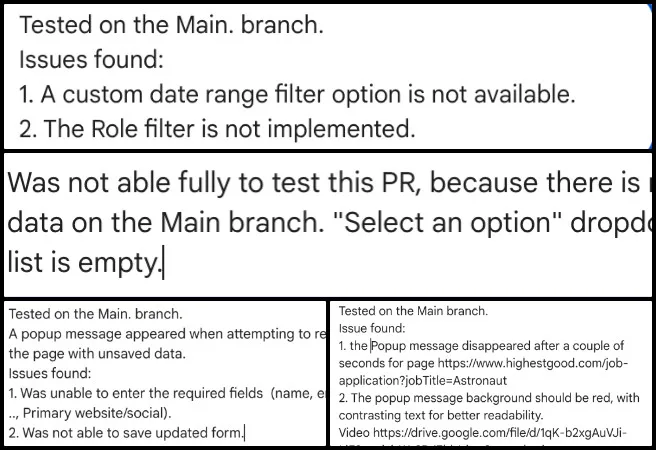
This week, the core team continued HGN PR testing on the main branch for the Highest Good Network, a platform pioneering the global-sustainability systems movement, and confirmed 17 PRs as fixed. The following issues were not fixed: #5464, Fix Primary Two Buttons on the Announcements Email Dashboard; #5542, Job Posting Page Analytics, Set the Date and Role Filters to Their Default Values of “All”; #5543, Application/Job Posting Page – Application Form Template, Warn Users Before Page Refresh or Navigation; #5541, Job Form Builder, Renumber Questions After Reordering; and #5544, Suggested Jobs, Keep the Job-Title Mismatch Warning Visible. The team was unable to test three additional PRs because no data were available on the main branch. See the collage below to view their week’s work.
ALPHA SOFTWARE DEVELOPMENT TEAM
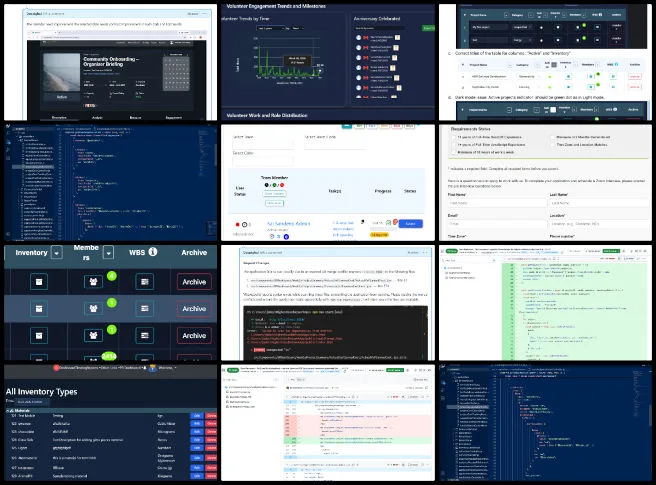
The Alpha Team’s summary, covering their work on the Highest Good Network, was managed by Lin Khant Htel (Frontend Software Developer) with a team consisting of Deepigha Japamony (Software Engineer), Maithili Kalkar (Software Engineer), Priyanka Ajit Mutha (Software Engineer), Som Ramnani (Junior Software Engineer) and Sai Sandeep (Software Engineer). Their work supported One Community’s mission of cross-functional software development and system improvements, helping advance pioneering the global-sustainability systems movement.
This week, Lin managed and reviewed the team summary, reviewed PR #4734 by examining the code and running tests locally, checked Alpha Team members’ weekly summaries, photos, and videos, and shared pending pull requests for review. Deepigha fixed the LB Dashboard “Comparing Villages” pie chart, which had allowed auction-only metrics to be shown for Listing, by connecting the pie chart’s Listing/Bidding filter to the dashboard’s top filter and disabling incompatible selections. She also reviewed eight pull requests, approving PRs #2306, #5448, #5510, and #5514 after local testing and requesting changes on PRs #3468, #5437, #5459, and #5530 for issues involving calendar date contrast, dark mode, mobile responsiveness, and unresolved merge conflicts furthering One Community’s mission of pioneering the global-sustainability systems movement.
Maithili updated the archive and unarchive button labels, corrected the project table headers, fixed responsive layout issues across screen sizes, and fixed the active status styling in dark mode, with some failing tests still under investigation. Priyanka resolved merge conflicts in the PR grading persistence PR and verified that duplicate PR numbers were rejected and saved entries remained after refresh. As part of the team’s work toward pioneering the global-sustainability systems movement, she addressed review feedback on the Weekly PR grading CSV export, including dark mode readability, investigated a failing CI test, and reviewed PRs #5678, #5669, #5659, and #5661, identifying an Inventory Types editing regression and missing backend endpoints for the Kitchen Reports exports. Sai fixed a missing x-axis label and a duplicate year display in tooltips in PR #5672, implemented a calendar component for loss tracking in the BM dashboard in PR #5606, and addressed reviewer feedback on PR #5476.
Som resolved frontend merge conflicts in PR #5603 while keeping inventory sorting, search, filtering, accessibility behavior, and Archive permissions. In the same PR, he reduced duplicated backend logic flagged by SonarCloud, added NoSQL injection protections by validating type IDs before database queries, fixed a CI failure in the ActivityList sorting test, and resolved five SonarCloud findings in Projects.jsx, with all 62 focused tests, ESLint, and whitespace checks passing. In PR #5578, he removed 16 !important declarations and an unused style rule from the Participation page, updated dark mode and print selectors, and resolved conflicting event-card styles while keeping multipage PDF printing. Stylelint, ESLint, and all eight Participation tests passed, while browser and PDF validation remained pending because the local page redirected to a blank login screen, and the changes were not yet committed or pushed, furthering One Community’s mission of pioneering the global-sustainability systems movement. See the collage below to look at some of this work.
BINARY BRIGADE SOFTWARE DEVELOPMENT TEAM
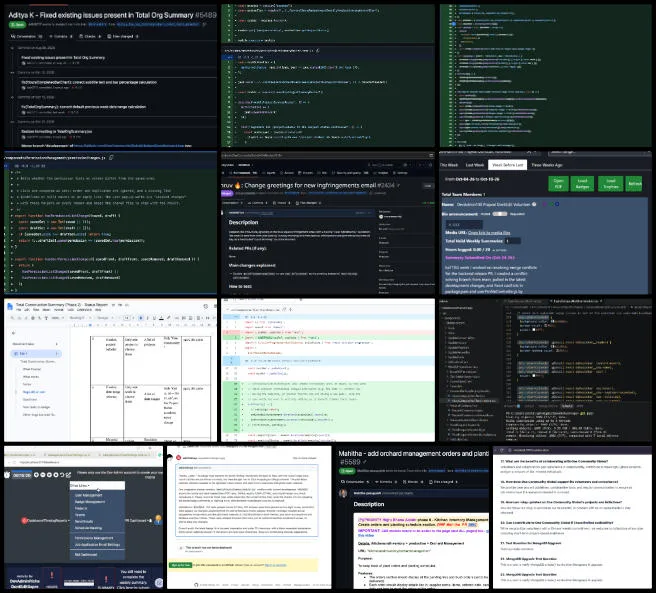
The Team Binary Brigade’s summary, covering their work on the Highest Good Network, was managed by Roshini Seelamsetty (Software Engineer) and Prathik Raju (Data Analyst) with a team consisting of Aarya Amit Shah (Software Engineer), Aditya Krishnamurthi (Software Engineer), Aditya Varun Dhayapulay (Software Engineer), Alekya Jogini (Software Engineer), Amaan Syed (Software Engineer), Dhruv Topiwala (Full Stack Software Engineer), Mahika Kakkad (Software Engineer), Mahitha Pasupuleti (Software Engineer), Niket Pathak (Software Engineer), Prajwal Gangadhar Melinamane (Software Engineer), Richa Sapre (Software Engineer), Shreya Shailesh Bandodkar (Software Engineer), Shubham Jakhete (Software Engineer), and Snehita Kandula (Software Engineer), supporting One Community’s mission of cross-functional software development and system improvements. This work advances the team’s objectives, ensuring that all completed tasks directly contribute to pioneering the global-sustainability systems movement.
This week, Aarya reviewed all 94 rows on the Permissions Management page, fixed the bug that kept the Manage User Permissions dialog from opening, and updated permission names and descriptions. Aditya K. resumed frontend PR #5489 and backend PR #2328 for the Total Org Summary dashboard, updating the Task Completed chart, adding four unit tests, and fixing Prettier errors. Aditya D. resolved a CSS merge conflict on the job application Terms and Conditions PR, fixed a delayed-loading issue that cleared task resources, and reviewed pull requests, requesting changes where issues were reproduced. Alekya prepared an end-to-end testing report for the Total Construction Summary dashboard, documenting 44 bugs and 17 questions, and approved PRs #5689 and #5681, work that supports pioneering the global-sustainability systems movement.
Amaan added dark mode to three Support Portal pages, addressed reviewer feedback on the Total Construction Summary, and added hour tracking and authorization checks to Education Portal Student Tasks. Dhruv investigated why missed-summary reminders reached users with scheduled time off, synced badge records with user profiles, and replaced the “Good Morning” greeting in infringement emails with “Dear.” Mahika fixed HGN timer bugs involving premature completion popups, logging time after a refresh, and the Reset button, adding regression tests for each. Mahitha updated the Orchard Management container styling to use the application’s theme variables for dark mode, work that supports pioneering the global-sustainability systems movement.
Niket completed four frontend tasks, adding searchable member selection to the Create New Team form (PR #5683), expanding the Project Status dashboard (PR #5690), improving its layout (PR #5696), and fixing Financial Dashboard filter persistence (PR #5701), in support of pioneering the global-sustainability systems movement. Prajwal resolved merge conflicts on the job application resume PR, fixed the Summary Submitted On date in the Weekly Summaries Report (PR #5707), and completed the Update Tool modal on the BM Dashboard Tools page (PR #5714). Richa added job application email notifications with 30-day retention, duplicate-question detection, and a rehireability history feature, and prepared pull requests for all three. Roshini investigated the Financials Tracking issue on the Total Construction Summary dashboard, including duplicate charts, inconsistent values, a variance above 9,700%, overlapping labels, and missing months, work that supports pioneering the global-sustainability systems movement.
Shreya reviewed pull requests on Help Request access, feedback forms, and service worker registration, reported a merge conflict on PR #5565 to Jae, and investigated a Skills Overview pagination issue showing “Page NaN of 6”. Shubham completed Task #65 by removing three obsolete test entries from the public FAQ section of the Collaboration job board, and approved PRs #5651 and #5654. Snehita moved to the Development Team and fixed Injury Severity chart styling and dark-mode issues, added year comparisons and grouped and stacked views to the Issues Chart, and improved the Create New Team workflow, work that supports pioneering the global-sustainability systems movement. The collage below offers a visual representation of the team’s work for the week.
DEV DYNASTY SOFTWARE DEVELOPMENT TEAM
The Dev Dynasty Team’s summary, covering their work on the Highest Good Network, was managed by Aadit Trivedi (Software Engineer and Software Team Administrator) with a team consisting of Aakash Vidiyala (Software Engineer), Akshay Viswanath (Software Engineer), Amaresh Chaudhary Nara (Software Engineer), Ansh Shah (Software Engineer), Bosu Babu Bade (Software Developer), Gayatri Sawant (Software Engineer), Hemanth Varupula (Software Developer), Isha Pawar (Software Engineer), Linlin Fan (Software Engineer), Mahalakshmi Mahadevan (Software Engineer), Sai Manojna Velagala (Software Engineer), Shreevaths Karawal Satish Rao (Software Engineer), Shreyas Battula (Software Engineer), Sireesha Kunchala (Software Engineer), and Yuxuan Wang (Software Engineer), supporting One Community’s mission of cross-functional software development and system improvements.
This week, Aakash completed six pull request re-reviews, approving four and requesting changes on two, and built six Jobs Component security and quality improvements, including escaping applicant input in confirmation emails, server-side upload limits, bot protection, rate limiting, a cap on confirmation emails, and trimmed public form responses. Akshay added readiness reporting to the material stock-out risk backend, labeling projects as Ready, Partial, or Not Configured while keeping valid chart results for incomplete projects, with repeatable test fixtures and 30 focused backend tests passing. Amaresh resolved merge conflicts and reviewer feedback across PRs #4734, #2347, #5526, #5415, and #5330, fixing a badge dark mode class mismatch, rebuilding the promotion eligibility query batching, correcting a PDF export that paired charts with the wrong sections, and keeping the map’s zoom position when filters change, contributing to pioneering the global-sustainability systems movement.
Ansh tested PR #5595 for Student Profile dark mode, PR #5678 for Inventory Types edit and delete, PR #5613 for the weekly PR grading CSV export, and PR #5663 for the Create Listing page. Bosu completed Phase 1 of the Duplicate Time Log Confirmation feature in frontend PR #5688 and backend PR #2423, finalizing the Cancel, Edit, and Proceed workflows while preserving form and timer state, and strengthened the backend duplicate check against NoSQL injection, with 2,688 frontend tests and 108 backend controller tests passing. Gayatri fixed the Project Risk Profile filter and tooltips in PR #5681, replaced simulated values with real risk data in PR #5682 and backend PR #2421, added a Customize Cards control to the Total Construction Summary in PR #5684, finished dark mode for the Lessons Learnt chart, and fixed a CI-wide ActivityList test failure, work that supports pioneering the global-sustainability systems movement.
Hemanth found that the design for the new Kitchen Phase 6 task was not yet available, so he updated his routing pull request to keep the existing event routes and restore all promotion eligibility arguments. The event pages now return correct responses again, supporting pioneering the global-sustainability systems movement. Isha built rental cost over time and owned versus rented tool cost charts for the BM Dashboard in frontend PR #5704 and backend PR #2429, with 14 new backend tests, and resolved merge conflicts on PR #5597 while keeping both the team code suggestions and the requested week off details. Linlin implemented YouTube upload permission checks in backend PR #2426, improved the Imgur auto-poster in PRs #2408 and #5664, merged PRs #5504 and #5524, and reviewed PR #5549, advancing pioneering the global-sustainability systems movement.
Mahalakshmi updated the PR Review Team dashboard tracker, confirming which listed PRs had already merged, recording conflicts between open PRs, adding eight new tasks totaling 40 hours, and testing the PR Dashboard pages on the dev site, where she found the Promotion Eligibility table takes about 36 seconds to load. Sai Manojna added bulk lesson tag management in frontend PR #5711 and backend PR #2431, with previews, history, undo, permission checks, and transaction-safe saves covered by 116 tests, and improved the Paid Labor Cost chart’s readability in PR #5710. Shreevaths built the Forecast Accuracy report page for the kitchen inventory system in PR #5697, with planned versus actual ingredient quantities, accuracy badges, CSV and PDF exports, dark mode, and 41 passing tests. These improvements contribute to pioneering the global-sustainability systems movement.
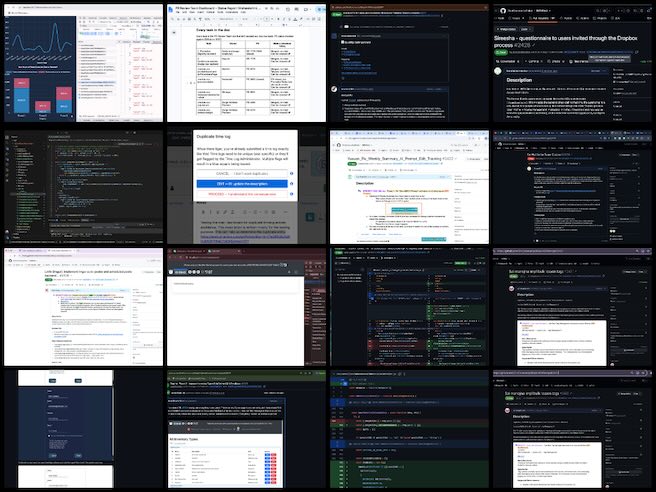
Shreyas worked on team code capitalization and validation in the Quick Setup modal in frontend PR #5694 and backend PR #2425, and fixed the Weekly Update Composer’s dark mode drop zones and header image upload, adding keyboard access to the upload area. Sireesha added a reusable questionnaire link with access restrictions in PR #5702 and backend PR #2428, and addressed review feedback on the bid overview page in PR #4272, resetting stale data, handling fetch errors, and improving mobile layouts and KPI tile labels. Yuxuan submitted frontend and backend fixes for the View NEW AI Prompt notification task and fixed a date-dependent test that was failing CI checks. Their work supports pioneering the global-sustainability systems movement. The following images showcase their work.
SKYE SOFTWARE DEVELOPMENT TEAM
The Skye Team’s summary, covering their work on the Highest Good Network, was managed by Anthony Weathers (Software Engineer), with a team consisting of Ken Zou (Software Engineer), Jaden Wong (Software Engineer), Purav Patel (Software Engineer), and Swathi Angadi (Software Engineer), supporting One Community’s mission of cross-functional software development and system improvements. This work advances the team’s objectives and supports One Community’s work toward pioneering the global-sustainability systems movement.
This week, Anthony continued addressing reviewer feedback for PR #3600 and PR #1447 related to permission management and change logging. He refined how role and permission changes are logged, updated the frontend process to prevent logs from being created when user updates fail, investigated Reset to Default issues and updated related tests. He also removed unrelated yarn.lock changes, merged recent updates and pushed changes to both pull requests. Ken worked on PR #2307 for the HGN Questionnaire Dashboard Promotional Eligibility Table, resolving merge conflicts, preserving questionnaire completion filtering and validating promotion related functionality. He also continued testing the Facebook Auto Poster Live API, verified database and Facebook history behavior and investigated API limitations around filters. Ken additionally reviewed PR #4785 and documented remaining wishlist page issues and integration questions, supporting pioneering the global-sustainability systems movement.
Jaden continued Phase 6 of the Kitchen Report and Analytics work by building the Reports and Analytics interface with four tabs, date filtering and PDF and CSV export controls. He separated export logic into a reusable hook, added dark mode support, registered placeholder API endpoints and verified the implementation through linting and a production build before opening PR #5669. He also addressed dark mode feedback for the HGN Feedback Modal in PR #5549. Purav continued Job Applications testing and launch preparation across several frontend and backend PRs, validating catalog parity, upload restrictions, bot protection, rate limiting, confirmation email sanitization and duplicate application handling. He also maintained a consolidated Jobs Component status document covering active tickets, testing results, remaining bugs and next actions, furthering pioneering the global-sustainability systems movement.
Swathi worked on improving the Inventory Types page in the Building Management Dashboard by refining Edit and Delete workflows, confirmation modals and success and error messaging. She also added loading states, disabled action buttons during requests, improved role based visibility for controls and worked on keeping inventory data refreshed after successful updates. These efforts continued advancing pioneering the global-sustainability systems movement. Check the image collage below for a visual overview of the Skye Team’s work for the week.
SOFTWARE PR REVIEW TEAM A-N
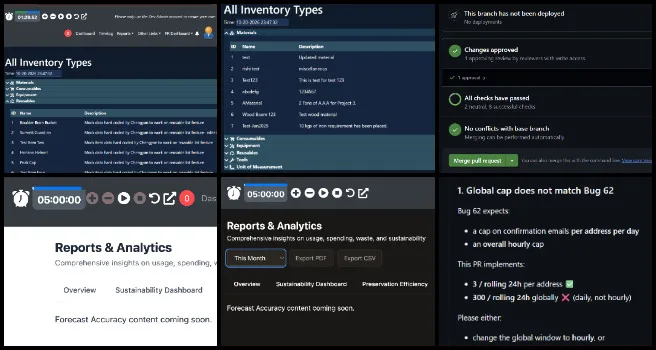
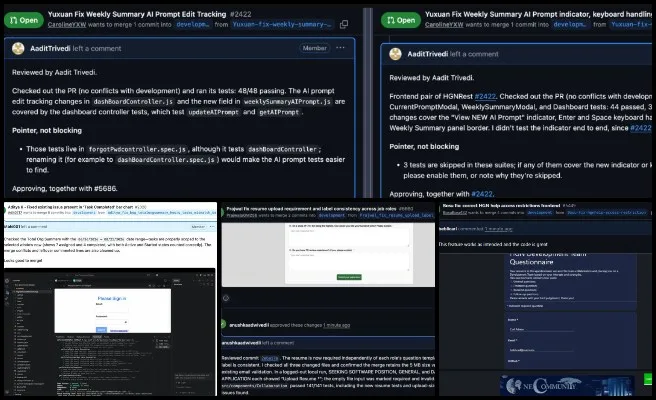
The PR Review Team’s summary for members with names starting with A–N was managed by Sai Sree Dongari (Data Analyst). The Highest Good Network is a foundation for measuring our results in pioneering the global-sustainability systems movement. This week’s active members of this team were Aadit Trivedi (Software Quality Assurance & Team Coordinator), Anushka Dwivedi (Software Engineer), Carl Bebli (Software Developer), and Mallikharjuna Abhiram Mulpuri (Software Engineer). They reviewed all Highest Good Network PRs shared in this week’s update. Learn more about how the Highest Good Network open source hub measures progress toward pioneering the global-sustainability systems movement. The collage below shows a compilation of this team’s work.
SOFTWARE PR REVIEW TEAM O-Z
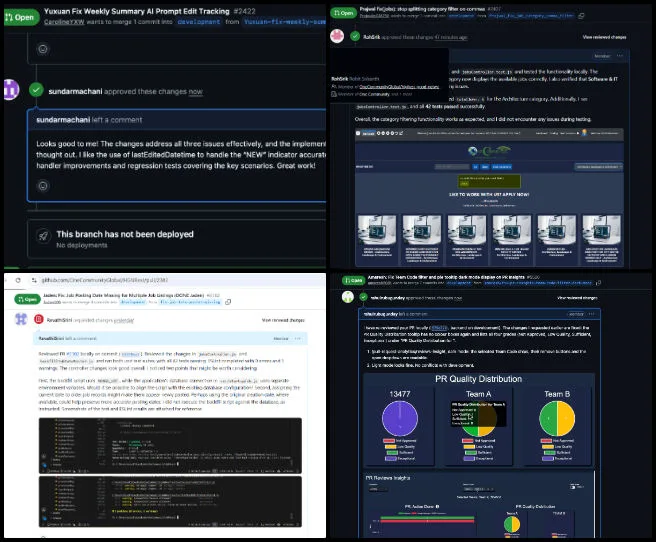
The PR Review Team’s summary for members with names starting with O–Z was managed by Shameera Musthafa (Data Analyst). The Highest Good Network Software is a foundation for measuring our results in pioneering the global-sustainability systems movement. This week’s active members of this team were Rahul Rubugunday (Software Engineer), Revathi Srinivasan (Software Engineer), Rohit Srikanth (Software Engineer), and Sundar Machani (Software Engineer). They reviewed all the Highest Good Network PRs (Pull Requests) shared in this week’s update. Learn more about how the Highest Good Network open-source hub measures progress towards our goal of pioneering the global-sustainability systems movement. The collage below shows a compilation of the work from this team.
AND WE PRODUCED THIS WEEKLY UPDATES BLOG – CLICK HERE TO SUBSCRIBE
FOLLOW ONE COMMUNITY’S PROGRESS (click icons for our pages)
INVESTOR PAGES