Global Sustainability Implementation – One Community Weekly Progress Update #680
Global sustainability implementation is how we are evolving sustainability through open source solutions created by our all-volunteer team. At One Community, we are developing sustainable approaches to food, energy, housing, education, economics, and social architecture as a self-replicating model designed to regenerate our planet. By open sourcing and free sharing the complete process, we are building a global collaboration of teacher/demonstration hubs committed to creating a world that works for everyone, all in service to “The Highest Good of All.” This is the March 30, 2026 edition (#680) of our weekly progress update detailing our team’s development and accomplishments.
OUR MAIN OPEN SOURCE HUBS
Click on each icon to be taken to the corresponding Highest Good hub page.
One Community’s physical location will forward this movement as the first of many self-replicating teacher/demonstration communities, villages, and cities to be built around the world. This is the March 30, 2026 edition (#680) of our weekly progress update detailing our team’s development and accomplishments:
Global Sustainability Implementation
One Community Progress Update #680
DONATE | COLLABORATE | HELP WITH LARGE-SCALE FUNDING
CLICK HERE IF YOU’D LIKE TO RECEIVE AN EMAIL EACH WEEK WHEN WE RELEASE A NEW UPDATE
YOU CAN ALSO JOIN US THROUGH SOCIAL MEDIA


ONE COMMUNITY WEEKLY UPDATE DETAILS
HIGHEST GOOD HOUSING PROGRESS
One Community is leading global sustainability implementation through Highest Good housing that is artistic and beautiful, more affordable, more space efficient, lasts longer, DIY buildable, and constructed with healthy and sustainable materials:
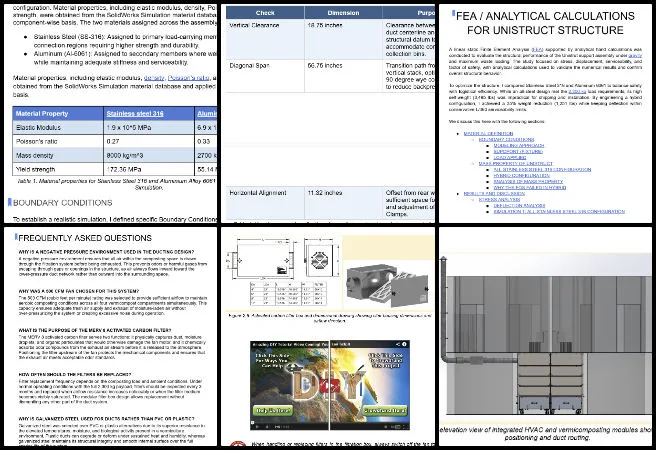
This week, Ajay Adithiya Kumar Elancheliyan Tamilalagi (Mechanical Engineer) continued working on the ventilation system design for the Vermiculture Toilet component of the Earthbag Village. His focus was on editing and formatting three engineering reports for the Vermiculture EcoToilet project under the Earthbag Village initiative. The reports covered Structural Layout, FEA/Analytical Calculations, and Ventilation System Design, all prepared for publication on the One Community website. Ajay began work on Wednesday with the first report, progressed through Friday with two reports completed, and wrapped up on Saturday with all three finalized following feedback from Jae. Each report was corrected for heading hierarchy, bullet list structures, image descriptions, and FAQ sections to meet One Community publication guidelines, supporting global sustainability implementation through clear and standardized open-source engineering documentation. Below, you’ll find some images of this work.
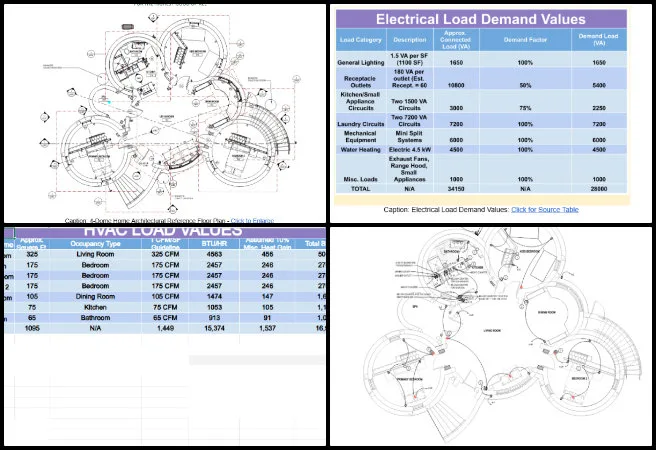
Derrell Brown (Plumbing Designer) continued working on the final MEP report for the Earthbag Village 4-dome home and applied required revisions to align the final draft with the submitted comments and expectations. He advanced work on the MEP Final Report by incorporating the remaining feedback across all sections of the document. This included adding references to supporting tables and spreadsheets, completed unfinished portions of the design to provide continuity for future designers, and updating the formatting and line spacing to improve consistency throughout. His work contributes to global sustainability implementation by strengthening the completeness and usability of sustainable infrastructure documentation. See below for some of the pictures related to this work.
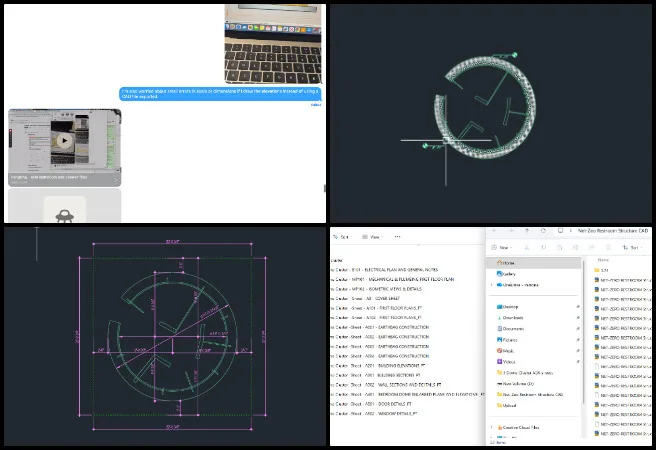
Fangting Xu (Interior Design Intern) continued working on ADA code requirements related to building connections for the 3-dome cluster of the Earthbag Village. She developed construction documents for the ADA shower room and cleaned up the drawings by removing non-applicable items. She also updated the grade annotations to correctly show that the structure is at grade and bermed on the outside, rather than “below grade.” Fangting organized the CAD sheets and structured the folders and naming conventions in alignment with Jae’s guidelines. Her efforts support global sustainability implementation by ensuring organized, accessible, and standards-compliant design documentation. Review the latest updates in the images below.
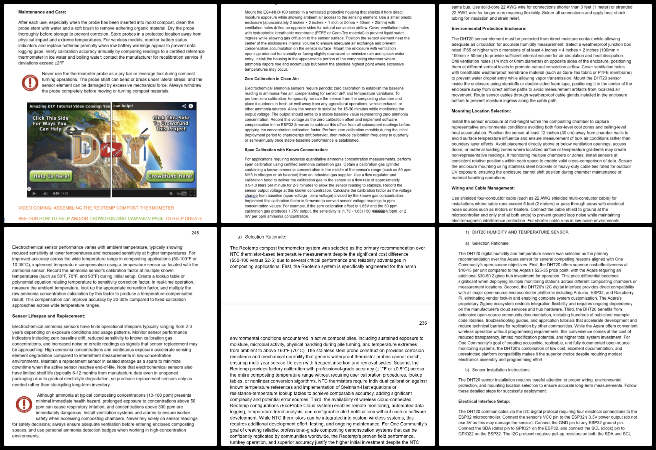
Rishi Chakrapani (Mechanical Engineer) continued working on the Vermiculture Toilet. He updated and completed the sensor selection report to include the necessary supporting details for the chosen components. Additional updates were made to the CAD for the vermiculture structural layout report, with a specific focus on refining the exploded view diagram to better represent the assembly. Both the sensor selection report and the vermiculture report were proofread to ensure accuracy, clarity, and consistency across the documentation. These efforts contribute to global sustainability implementation by improving the reliability and clarity of engineering deliverables. Review the latest updates in the images below.
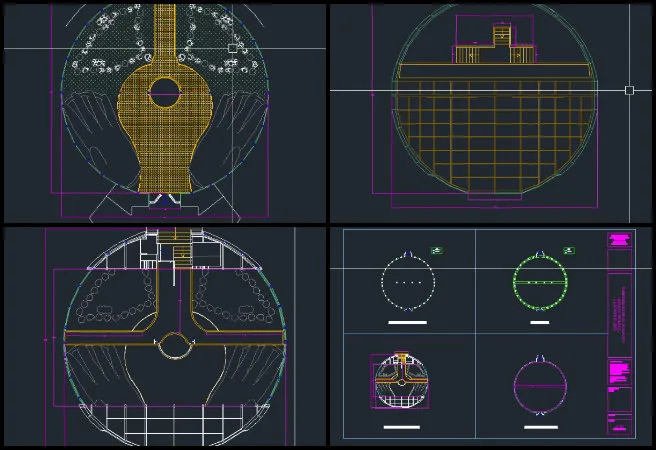
Vaishnav Sanjay Chavan (Intern Volunteer Architectural Project Manager) continued working on the Earthbag Village by developing the floor plans for the tropical atrium, including the ground floor plan, mezzanine floor plan, and roof plan, with a focus on layout coordination and consistency across the drawing set. He also worked on the structural plans, ensuring overall system organization and alignment with the architectural drawings. The plans were updated to maintain coordination between spatial layout and structural elements. In addition, time was spent researching wooden foundation systems and joinery details to support the development of structural drawings and ensure accuracy in representing construction methods, contributing to global sustainability implementation through coordinated and well-documented architectural design. Below, you’ll find some images of this work.
DUPLICABLE CITY CENTER PROGRESS
One Community is leading global sustainability implementation through a Duplicable and Sustainable City Center that is LEED Platinum certified/Sustainable, can feed 200 people at a time, provide laundry for over 300 people, is beautiful, spacious, and saves resources, money, and space:
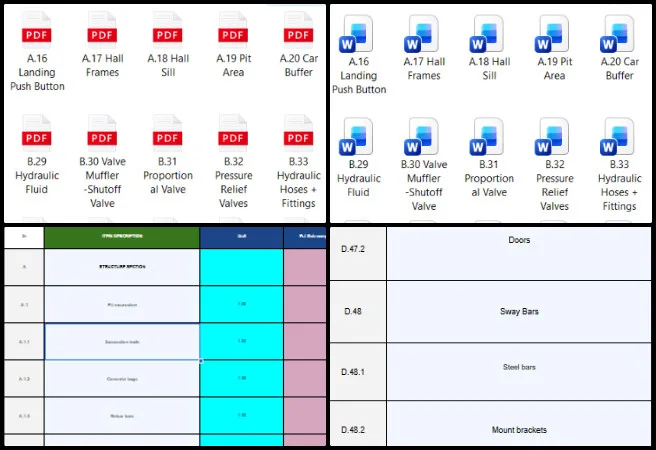
This week, Akhil Shesham (Mechanical Engineer) continued working on the Duplicable City Center design. He focused on the development of the open-source elevator cost analysis spreadsheet by finalizing all sections from A–D.51, including the full breakdown of structural, hydraulic, electrical, and cab components. He expanded each main assembly into detailed sub-component levels and ensured all parts were organized under their respective parent items for clarity and traceability. The work included verifying and updating approximate costs across the spreadsheet and aligning components with realistic DIY-based sourcing options. This work contributes to global sustainability implementation through improved systems and documentation.
In addition, Akhil compiled product-level information for each component and included corresponding product links, organizing them into individual documentation files for reference. All product sub-components and their links were incorporated into PDF files to support structured documentation and validation of the overall conceptual cost analysis. Discover One Community’s open source Duplicable City Center, which is leading global sustainability implementation. See the visuals below for a closer look.
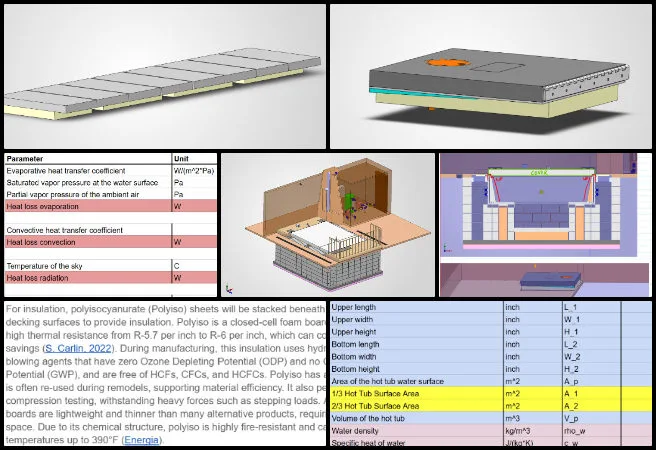
Bevan Chiu (Mechanical Engineer) continued work on the City Center Eco-spa Designs. He worked on researching polyisocyanurate for the plumbing panel and deck insulation method and added the findings to the report. He updated the CAD model to include polyisocyanurate boards below the panel and decking surfaces and incorporated the revised spa cover model. He updated the energy calculations for different cover states, including closed, partially opened, and opened conditions. Bevan also evaluated methods to lower the spa cover height to improve sealing and reduce energy loss. This open source Duplicable City Center project is leading global sustainability implementation. For more details, refer to the image below.
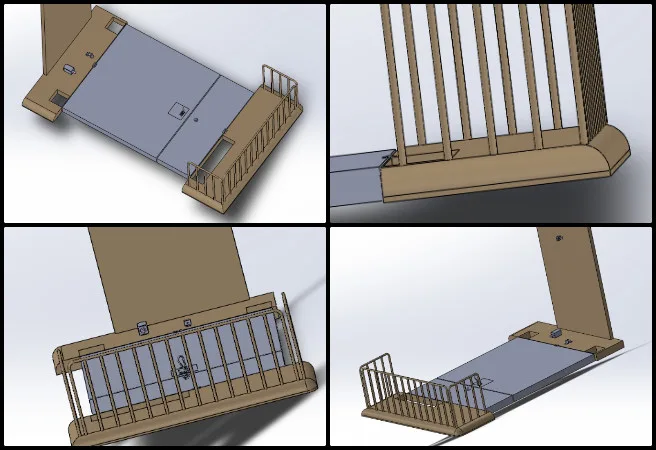
Shivarama Krishna Revanuru (Mechanical Engineer) continued working on the Duplicable City Center design. He focused on analyzing the thermal losses and insulation capacity of the spa cover, along with evaluating its stability under expected operating conditions. Time was also spent developing the report structure and approach to ensure clarity and proper organization of the findings. Modifications were made to the design and analysis based on given requirements and feedback received, with adjustments incorporated to improve overall performance and alignment with project expectations. This open source Duplicable City Center project is currently leading global sustainability implementation. The images below illustrate aspects of this work.
HIGHEST GOOD FOOD PROGRESS
One Community is leading global sustainability implementation through Highest Good food that is more diverse, more nutritious, locally grown and sustainable, and part of our open source botanical garden model to support and share bio-diversity:
This week, the core team continued working on the Master Tools, Equipment, and Materials/Supplies List for the Large-scale Garden, Botanical Garden, and other Highest Good Food components. They completed the addition of soil-related Tools, Equipment, and Materials/Supplies for the Aquapini and Walipini sections of the Master TEMS document. These entries align with the documentation for the Tropical Atrium (TA). They also removed a duplicate entry for scissors and corrected minor errors throughout the Master document, leading global sustainability implementation. See below for the images.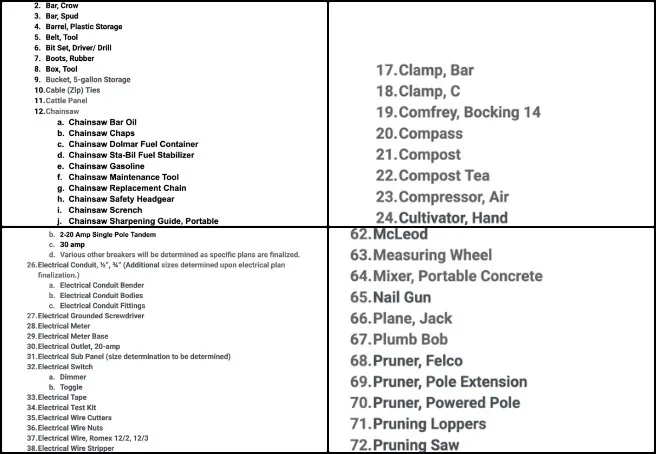
Chelsea Mariah Stellmach (Project Manager) continued working on the Transition Food Self-sufficiency food and inventory tracking software plans. She received feedback regarding the formatting and maintenance of the HGN Phase 6 Google Doc, after which she implemented updates and consulted with two developers to clarify expectations for task organization and upkeep. She worked to align task structure and improve consistency so that items are easier to track and maintain. She also addressed task dependencies to support clearer sequencing, which allows other developers to begin new work without delays. These changes support more consistent follow-up and better integration of tasks across the team. She also discussed next steps and upcoming project directions during the week and expressed interest in transitioning into new areas of work, leading global sustainability implementation. Below are the images of her contribution.
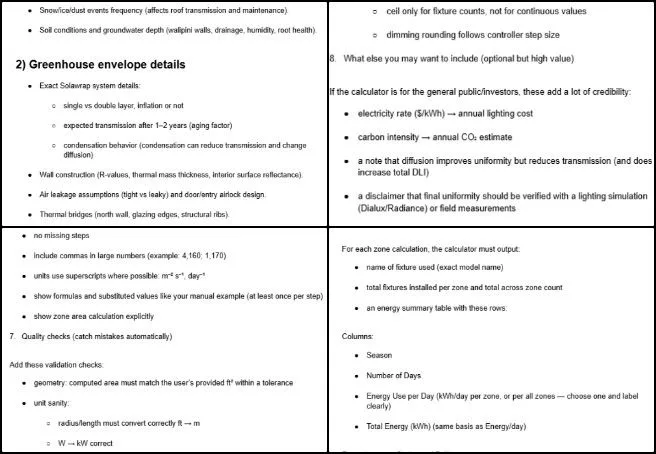
Jay Nair (BIM Designer) continued working on the Aquapini and Walipini Planting and Harvesting documents. He worked on documenting the remaining requirements needed for the Walipini 1 design to support the development of the lighting energy calculator. The work involved identifying additional inputs, refining calculation parameters, and organizing the information to align with the overall project framework. The documentation was structured to support the accurate implementation and integration of Walipini 1 design considerations into the calculator, leading global sustainability implementation. Below are the images showcasing his contribution.
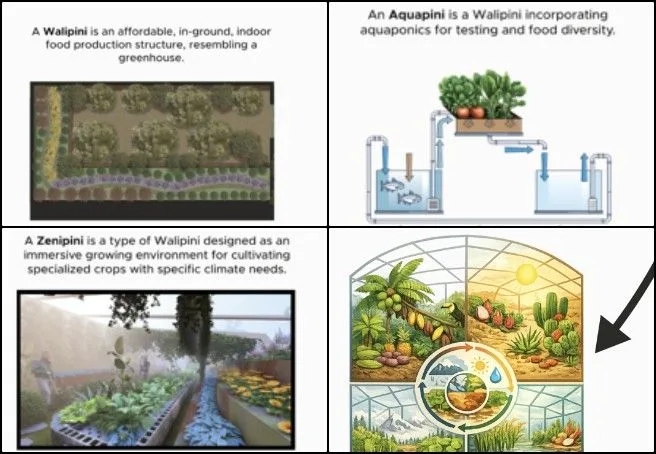
Shivangi Varma (Architectural Designer and Planner) continued working on the redesign of the Highest Good Food overall presentation. She began incorporating feedback on the Open Source Hub graphics and continued revising the Differences diagram. She updated the axonometric drawings for the Open Source Hub graphics, including edits to the axonometric view of the three structure types, and applied Loom feedback across the graphics set. She also submitted the final Differences diagram iterations for approval and finalization, leading global sustainability implementation. See below for images.
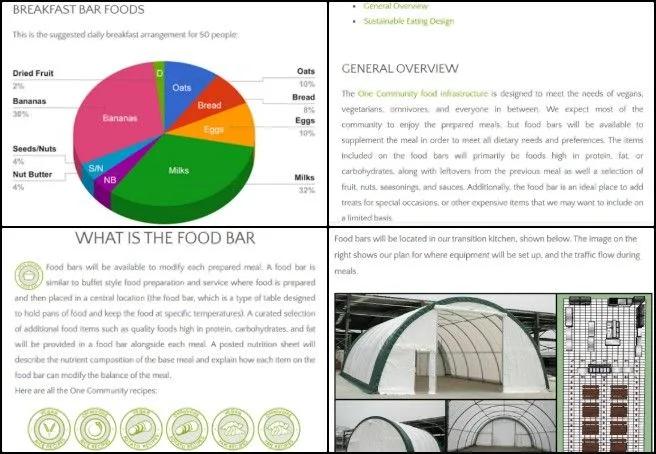
Prudhvi Marpina (Data Analyst) supported the Highest Good Food website development, and continued working on Highest Good Network software development, marketing, and administrative activities. He worked on the Food Bars page in WordPress by updating the content and structure according to the provided guidelines and ensuring it aligned with the required guidelines. He also contributed to Phase 5 governance by updating Deliverable 3 action items and aligning Figma deliverables based on feedback and required corrections. In marketing and promotion, he updated BlueSky analytics in both the data visualization sheets and the Social Media Master Dashboard and completed the weekly volunteer tracking table. In addition, he supported OC administration by updating the weekly blog and providing feedback on the administration team’s work for the reporting period, leading global sustainability implementation. See below for images showcasing his work.
HIGHEST GOOD ENERGY PROGRESS
One Community is leading global sustainability implementation through Highest Good energy that is more sustainable, resilient, supports self-sufficiency and includes solar, wind, hydro and more:
- Learn about the open source sustainable-energy foundations: Solar, Hydro, and Wind
- Explore our research into the most sustainable products and companies for saving water and energy and Global Sustainability Implementation: Insulation, Eco-laundry, Lightbulbs and Light Bulb Companies, Doors and Door Companies, Windows and Window Companies, Toilets, Faucets and Faucet Accessories, Urinals, and more.
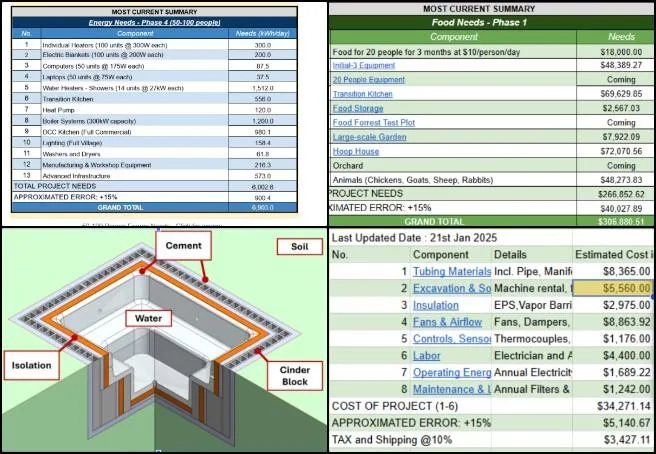
This week, the core team continued contributing to the Highest Good Energy initiative. They reviewed a stakeholder’s feedback video and incorporated the suggestions into the cost summary for the food rollout phases. They also reviewed the cost analysis for the climate battery intended for the walipinis and aquapinis and made minor adjustments to improve clarity. In addition, they reviewed the energy needs analysis and Vaishnav’s review documentation, which is still in progress. These efforts support global sustainability implementation by enhancing clarity and accessibility. This work supports making eco-living mainstream accessible by improving the clarity and organization of cost and energy planning documentation, as shown in the images below.
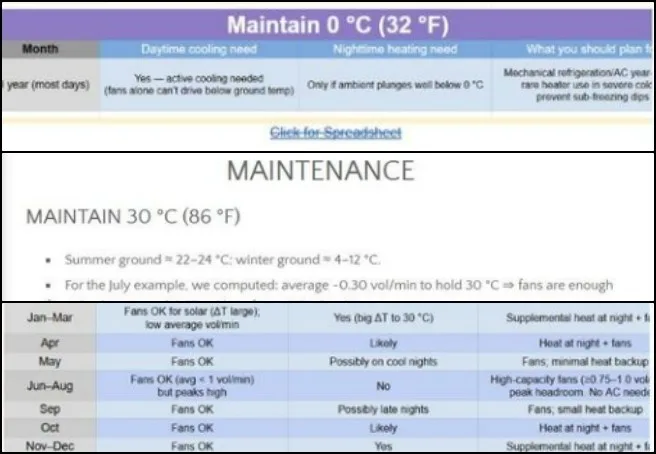
Rajeshwari Bhirud (Administrator) contributed to the Highest Good Energy initiative. She completed the Highest Good Network questionnaire and updated admin feedback tracking. In addition, she made significant progress on the Open Source Climate Battery Design blog through web design and content structuring. She added solar heat gain equations, airflow cooling calculations, and a cost analysis section, while organizing the thermal simulation content into clear sections, including assumptions, calculations, boundary conditions, cases, results, and conclusions. She also formatted and integrated stress-strain calculations and migrated HVAC and pipe assembly documentation into WordPress-compatible HTML, improving overall structure, readability, and SEO optimization, leading global sustainability implementation. See below for images showcasing her work.
HIGHEST GOOD EDUCATION PROGRESS
One Community is leading global sustainability implementation through Highest Good education that is for all ages, applicable in any environment, adaptable to individual needs, far exceeds traditional education standards, and more fun for both the teachers and the students. This component of One Community is about 95% complete with only the Open Source School Licensing and Ultimate Classroom construction and assembly details remaining to be finished. We’ll report on the final two elements to be finished as we develop them.
With over 8 years of work invested in the process, the sections below are all complete until we move onto the property and continue the development and open sourcing process with teachers and students – a development process that is built directly into the structure of the education program and everything else we’re creating too:
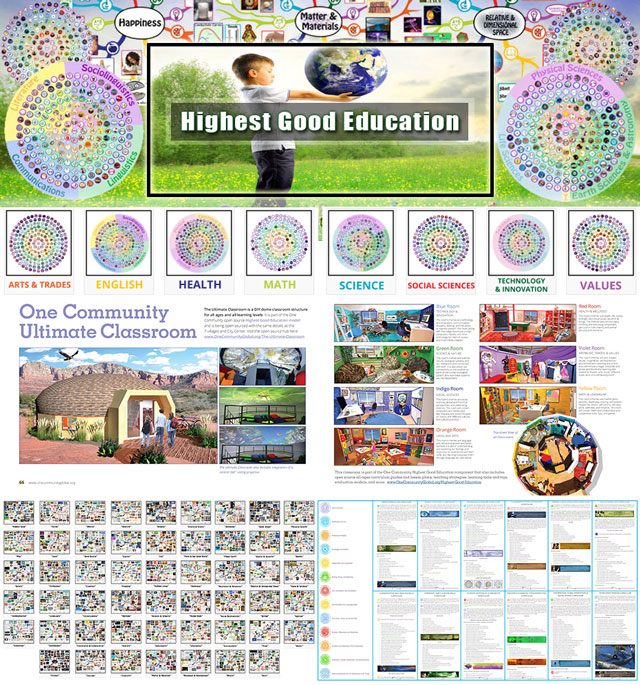
Highest Good Education: All Subjects | All Learning Levels | Any Age – Click image for the open source hub
HIGHEST GOOD SOCIETY PROGRESS
One Community is leading global sustainability implementation through a Highest Good society approach to living that is founded on fulfilled living, the study of meeting human needs, Community, and making a difference in the world:
This week, the core team completed over 38 hours managing volunteer work reviews, handling emails, overseeing social media accounts, supporting web development, and identifying and integrating bug fixes for the Highest Good Network. The team also interviewed and onboarded new volunteer team members. Additionally, they produced and integrated the video above, which highlights how leading global sustainability implementation serves as a foundational element of One Community’s broader mission. The following images showcase highlights of this work.
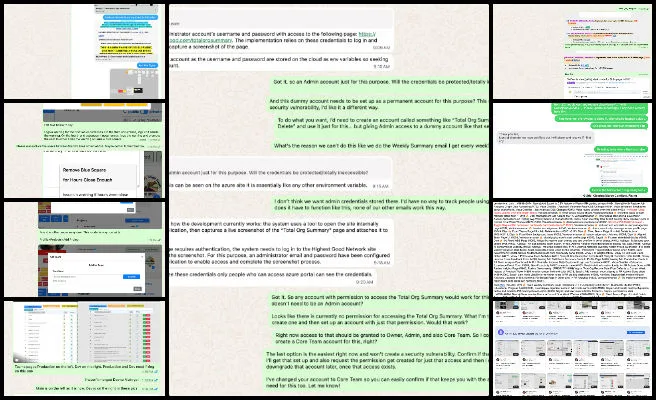
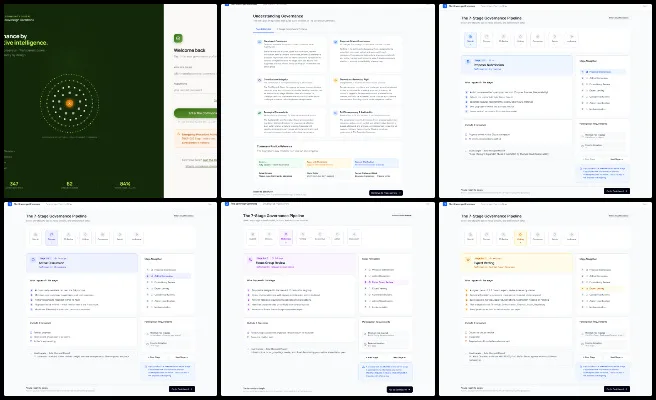
Pooja Kulkarni (UI/UX Designer) continued her work by refining the onboarding user flow for the Governance Platform to improve clarity, usability, and user readiness prior to participation in decision-making on the Highest Good Network. She reviewed feedback from Jae to identify gaps in the existing onboarding experience and determine missing or unclear elements that required improvement. Based on this analysis, she restructured the onboarding flow to guide users through key stages, including platform introduction, governance education, and consensus training, ensuring a smooth transition into active participation. The updated flow focuses on reducing cognitive load, clearly communicating next steps, and helping users understand their role within the governance system. She emphasized a structured and intuitive progression that prepares users to engage effectively in large-group consensus processes. This work contributes to leading global sustainability implementation; the images below highlight key aspects of her work.
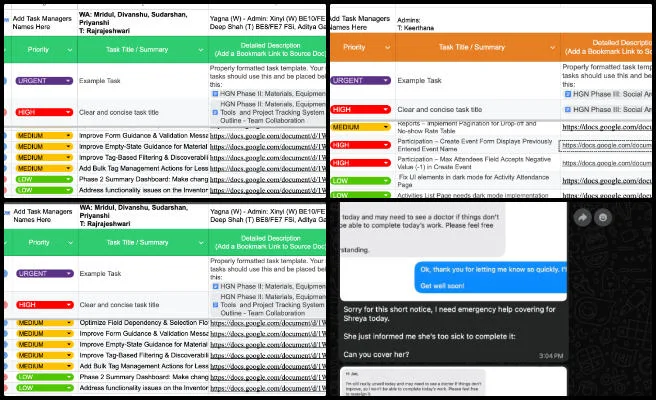
Yagna Reddy Badvel (Data Analyst and Team Administrator) continued to support structured administrative and tracking operations on the Highest Good Network by performing detailed reviews and updates to maintain accuracy, consistency, and workflow clarity. He reviewed the Phase 2 section by identifying incomplete entries, resolving status inconsistencies, and correcting outdated or incorrect dropdown selections. He clarified task details, fixed structural and sorting issues, and repaired broken links to ensure reliable access to project documentation. He standardized formatting and capitalization, refined filters for effective workflow tracking, removed duplicate entries, and aligned tasks with current priorities. In addition, he addressed Sections 20 and 22 of the food content on short notice, ensuring all entries met required formatting standards and keyword usage. He also refined volunteer summaries for clarity and structure, verified supporting media and documentation, and completed general administrative tasks including organization, formatting, and final checks to ensure accuracy and readiness for submission. This work contributes to leading global sustainability implementation. The images below show some of his work.
ADMINISTRATION TEAM
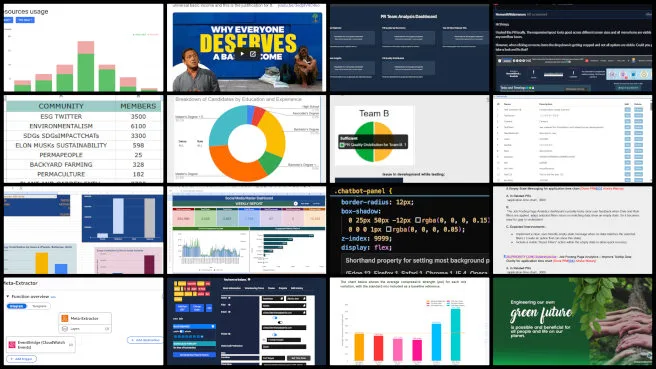
The Administration Team’s summary, which covers their work on the Highest Good Network, was managed by Prudhvi Marpina (Data Analyst) and includes Adhya Rastogi (Business Analyst), Anusha Gali (Software Engineer), Ashutosh Mishra (Software Engineer), Keerthana Chitturi (System Administrator), Divanshu Bakshi (Team Admin), Hemanth Sai Venkata Srinivasa Kumar Nidamanuru (Administrative Assistant), Leo Lishin Shiu (Software Engineer), Manish Kanuri (Data Scientist), Mridul Bhushan (Volunteer Project Strategy Analyst and Team Administrator), Olawunmi “Ola” Ijisesan (Administrative and Management Support), Priyanshi Sharma (Data Analyst and Team Administrator), Rachna Malav (Data Analyst), Rishitha Adepu (Administrator), Sai Keerthi Domakonda (System Administrator), Sai Sree Dongari (Data Analyst), Sayantan Paul (Frontend Tester and Software Team Administrator), Shameera Musthafa (Data Analyst), Shreya Shetty (Data Analyst), and Sudarshan Raju Chintalapati Venkata (Data Analyst). The Administration Team supports the Highest Good Network, a tool designed to track and measure progress while developing systems that contribute to global sustainability implementation. Through administrative support, documentation, testing, training, recruitment, analytics, and content management, the team helps advance this mission, aligning with One Community’s vision of building a replicable and sustainable future model.
This week, Adhya worked on marketing and promotion through Reddit engagement and Google Ads learning while organizing content and administrative deliverables. Anusha reviewed and tested multiple frontend and backend pull requests while coordinating with developers to resolve defects. Ashutosh enhanced chatbot retrieval logic, reranking tools, and vector database processes while supporting knowledge transfer. Divanshu maintained Mastodon updates, tracked issues, and developed automation scripts to improve posting accuracy. These efforts are contributing to global sustainability implementation by improving system performance, communication, and operational efficiency.
Hemanth conducted local pull request testing, validated changes, and coordinated with contributors while documenting reproducible issues. Keerthana reviewed administrative submissions, provided structured feedback, resolved UI inconsistencies, and continued corrections administration tasks. Leo compiled team summaries, managed analytics insights, and finalized API development with scheduling automation. Manish reviewed pull requests, verified fixes, and tracked unresolved issues across system components. Mridul managed social media publishing, updated analytics dashboards, and prepared blog content for publication. Ola organized administrative data, managed Pinterest workflows, and ensured structured scheduling. Priyanshi conducted detailed testing on project management pages, identifying UI inconsistencies and documenting improvements. These coordinated activities strengthen collaboration, accountability, and system reliability in support of global sustainability implementation.
Rachna reviewed ongoing tasks and SEO pages while maintaining administrative continuity. Rishitha managed blog compilation, SEO optimization, Threads engagement, and dashboard updates using Python and Excel. Sai Keerthi performed Dev pull request testing and ensured feature validation while reviewing administrative submissions. Sai Sree coordinated dashboard progress, PR review activities, and supported hiring through candidate interviews. Sayantan managed blog preparation, SEO updates, PR testing, and task coordination while identifying system issues. These efforts strengthen organized workflows and operational clarity that support global sustainability implementation.
Shameera supported PR workflows, curated content and visual materials, contributed to report visualizations, and assisted with hiring. Shreya worked on Aircrete visualizations, optimized Google Ads campaigns, and onboarded a new volunteer. Sudarshan managed blog SEO updates, tested pull requests, documented system issues, and created tasks for improvements. To learn more about how this work supports global sustainability implementation, visit the Highest Good Society and Highest Good Network pages. Highlights of the team’s contributions are shown in the collage below.
HIGHEST GOOD NETWORK PROGRESS
 One Community is leading global sustainability implementation through open source Highest Good Network® software that is a web-based application for collaboration, time tracking, and objective data collection. The purpose of the Highest Good Network is to provide software for internal operations and external cooperation. It is being designed for global use in support of the different countries and communities replicating the One Community sustainable village models and related components.
- Learn about our open source community collaboration and management software and Global Sustainability Implementation: The Highest Good Network
This week, the core team tested Highest Good Network pull requests and confirmed 12 as fixed. This effort highlights One Community’s commitment to reinventing the sustainability industry. These updates strengthen global sustainability implementation by improving consistency and organization.
The following were not fixed: improvements to the Member column filter in Other Links Projects, mobile formatting issues in the Reports Show Contributors Report page, addition of compared date and optional date selection in the same report, completion of the Weekly Company Summary Email for Admins, addition of an inventory sort button on the Projects page, and fixes to the Teams UI. In addition, she reported new bugs, including tasks of members not being hidden with the teams toggle, inability to delete a team from the team list, issues with the dark mode active and inactive team indicator, and additional Teams UI problems. She also requested missing PR numbers for tasks related to improving permissions management tracking and fixing the pause reactivation day issue, and paused the CoreTeam account until April 2 to verify whether it reactivates after that date. This work contributes to leading global sustainability implementation. See the Highest Good Society and The Highest Good Network pages, and the collage below, for an overview of the team’s contributions.

ALPHA SOFTWARE DEVELOPMENT TEAM
The Alpha Software Team, working on the Highest Good Network software, was managed by Lin Khant Htel (Frontend Software Developer). The team includes Linh Huynh (Software Engineer), Maithili Kalkar (Software Engineer), Som Ramnani (Software Engineer), and Casstiel Pi (Software Engineer). The Highest Good Network software is a key part of creating measurable global transformation. The software supports social architecture, construction, production, and maintenance processes that contribute to the open source project and resilient ecosystems. Designed to be portable and scalable, the Highest Good Network is ideal for off-grid and sustainable living communities, reflecting One Community’s open source commitment to leading global sustainability implementation.
This week, Lin reviewed PR #1746 by examining the code and running tests on a local machine and confirmed that all tests passed. He also checked the Alpha team members’ weekly summaries, photos, and videos and handled Alpha team management tasks. He verified that submissions followed the required format and maintained consistency across reports. These activities supported coordination and reporting accuracy within the team and aligned with global sustainability implementation.
Casstiel continued working on the task to add a supplier filter and an “All Suppliers” option. During implementation, the expected UI component did not display, which blocked further progress on integrating the feature. He tested multiple versions of related pull requests alongside the latest development branch to determine whether the issue was tied to a specific code change or branch state. The component did not render in any case, indicating a possible issue in the existing codebase or configuration. He also claimed another feature and submitted a request for 20 hours to support its global sustainability implementation.
Linh worked on resolving multiple issues identified during the Bluesky auto-poster backend pull request review. He fixed a frontend login failure caused by CORS restrictions by updating the configuration to allow additional localhost origins used by the Vite development server. He addressed database connection issues by improving the MongoDB configuration to properly encode special characters in credentials. He resolved CI lint parse failures by correcting an incorrect Babel plugin reference and removed parse errors. He updated code to meet ESLint requirements and improved lint script reliability by adding ignore patterns. He handled merge conflicts, updated dependencies, integrated new routes, and verified middleware configuration and session initialization. The backend compiled, linting passed, and login functionality worked, while debugging continued for remaining issues. These updates were connected to global sustainability implementation.
Maithili worked on resolving the overlapping dates issue within the listing and bidding platform by implementing logic to place a temporary hold on bookings for 10 minutes to prevent conflicting reservations. She tested the functionality across different scenarios to confirm that the hold mechanism behaved as expected and that database entries were created and managed correctly. During testing, she identified an issue with an incorrect PayPal ID, which was traced to a configuration error and fixed after updating it with the correct value. This work related to global sustainability implementation.
Som resolved merge conflicts for the DatePicker in PR #4428 by reviewing incoming changes and integrating them with the existing code. He removed a redundant button associated with the date input to simplify the interface and reduce confusion. He updated dark mode styling for the date input and other form elements by adjusting CSS selectors and resolving conflicts to ensure consistent behavior. He continued addressing additional merge conflicts and updated dark mode across the dashboard, including styles, colors, and component behavior. He also updated repository images and tested changes to maintain stability. This work supported global sustainability implementation. See the collage below to view the team’s work.
BINARY BRIGADE SOFTWARE DEVELOPMENT TEAM
The Binary Brigade Team, which presented their work on the Highest Good Network software, was managed by Amalesh Arivanan (Software Engineer) and included Roshini Seelamsetty (Software Engineer), Manoj Puttaswamy (Software Engineer), Ramsundar (Ram) Konety Govindarajan (Software Engineer), and Harsha Rudhraraju (Software Engineer). The Highest Good Network software is our tool for managing and objectively measuring progress, ensuring that all contributions are tracked and aligned with our mission in leading global sustainability implementation. It supports social architecture, construction, production, and maintenance processes that contribute to open-source projects and resilient, sustainable ecosystems.
This week, Roshini worked on pull request 4913 to fix issues in the Volunteer Hours Distribution chart by correcting dark mode visibility problems where numeric values were not readable, fixing layout alignment for the total number displayed in the center of the chart, and redesigning the chart logic to represent volunteer counts per hour accurately range instead of misleading distributions, aligning total hours with Leaderboard data, updating hour bucket ranges such as changing 40+ to 40–49.99 and adding a 50+ category, and improving graph labels to show both count and percentage based on assigned volunteers, while also addressing tooltip clarity and resolving merge conflicts blocking the update; she also began a high-priority permissions feature to control access to viewing how many times a task has been extended by designing configurable permission logic within the Project Management module. This work supports global sustainability implementation through scalable and replicable solutions.
Harsha updated API configuration by adding a valid backend URL in the environment file and standardizing request paths to include the “/api” prefix, verified frontend data fetching locally, identified that backend routing updates are required to support the new path structure, fixed remaining dark mode issues in PR 4325 including visibility of date filters and role selection filters, improved UI responsiveness across screen sizes, validated API integration with reducers and actions, and tested error handling and fallback states for delayed or missing API responses before requesting review. Ramsundar completed fixes for Inventory Types page issues by ensuring newly added tools and reusables appear in their correct sections, and resolved the Unit of Measurement failure by replacing file-based storage with a MongoDB-backed solution using a new Mongoose model and collection, rewriting backend functions for fetching, adding, and deleting units to use the database, creating a one-time migration script to insert existing units into MongoDB, and submitting these changes in PR 5074, then began investigating access issues for the Form and FormViewer routes across environments. The team’s efforts continue global sustainability implementation with practical and measurable progress.
Manoj restructured the BMDashboard InventoryTypes page by converting the static accordion layout into a card grid with navigation links for Materials, Consumables, Equipments, Reusables, and Tools, retained the Unit of Measurement section as an accordion, added back navigation links to each category page, implemented dark mode-compatible styling using existing CSS module patterns, added a conditional BM Dashboard navigation link in the main header using routing and auth state, and resolved stylelint issues by updating color syntax, hex values, media queries, and selector ordering. Amalesh worked on team management tasks, including weekly summaries and team picture updates, and continued development of the Orchard Management landing page by building the initial page structure, adding dark mode support, and refining layout and components through iterative updates within the same pull request. See the Highest Good Society and the Highest Good Network pages for more on how this supports leading global sustainability implementation. The collage below shows images of the team’s work.
CODE CRAFTERS SOFTWARE DEVELOPMENT TEAM
The Code Crafters Team’s summary, covering their work on the Highest Good Network software, was managed by Sphurthy Satish (Software Engineer). The team includes contributions from Akshith Kumar Reddy Balappagari Gnaneswara (Full-Stack Developer), Naznin Sultana (Software Engineer) and Yu Yan (Software Engineer). Their work contributes to One Community’s mission of making global sustainability implementation through collaborative software development and continuous system improvements.
This week, Akshith worked on the Application and Job Posting page search functionality. He reviewed the existing codebase and began implementing the required features for the search function. He was able to fetch jobs based on selected positions and implemented the ability to reset the applied filters. He is continuing to work on extending the functionality to fetch jobs based on categories and further refine the results by narrowing them down to specific positions of making global sustainability implementation.
Naznin worked on completing UI improvements for PR #4072 in the Admin Dashboard. She focused on migrating styling within the HGNForm module from global CSS to CSS Modules to prevent unintended style conflicts. She updated relevant files from .css to .module.css and adjusted component imports accordingly. Additionally, she refactored static className usages to use scoped styles for better maintainability. Naznin also improved the dark mode implementation by introducing cleaner conditional styling. Throughout the process, she ensured that no logic or functional behavior was changed. Finally, she verified UI consistency and confirmed that all updates worked as expected across the application by supporting global sustainability implementation.
Sphurthy worked on planning the merge of existing work with additional changes by identifying the relevant pull requests and outlining the integration approach across both backend and frontend repositories, including pull requests 1813 and 2098 in the HGNRest repository and pull request 4978 in the Highest Good Network App repository, while also coordinating task scope by assessing the effort required to complete the merge, estimating the number of hours needed, and determining a timeline for delivering a finished set of pull requests ready for review, along with communicating these details to align expectations on completion and submission timing development for global sustainability implementation.
Yu created pull request 2106 to replace pull requests 1817 and 1686 for the HGNRest repository and pull request 5062 to replace pull request 3424 for the frontend repository. Both pull requests are up to date and ready for review. He also closed pull request 4967 because the current development branch already includes those changes, making the previous request unnecessary. See the Highest Good Society and the Highest Good Network pages for more on how this supports leading global sustainability implementation. Below is a collage highlighting the team’s work for the week.
DEV DYNASTY SOFTWARE DEVELOPMENT TEAM
The Dev Dynasty Team’s summary, covering their work on the Highest Good Network software, was managed by Deekshith Kumar Singirikonda (Developer) and includes Adithya Cherukuri (Volunteer Software Engineer), Aditya Gambhir (Software Engineer), Neeraj Kondaveeti (Software Engineer), Sai Shravan Neelamsetty (Software Engineer), and Vikas Meneni (Software Engineer). The Highest Good Network software helps manage and objectively measure processes for open sourcing a better world through social architecture, construction, production, and maintenance processes. This progress supports One Community in accelerating leading global sustainability implementation.
This week, Adithya updated the Financial Dashboard by adding filter persistence to the Expenditure pie charts using local storage, fixing UI rendering issues, and integrating loading spinners across charts. Aditya modified the BM Utilization Chart to include predictive forecasting, built sub-components including the InsightsPanel and ExportReportButton, resolved race conditions using AbortController, improved accessibility, and implemented PDF and CSV export functionality. Deekshith developed the ResourceManagement component featuring a table layout and search functionality, alongside an AddLogModal component for data entry and state management. This progress reflects ongoing global sustainability implementation through collaborative development.
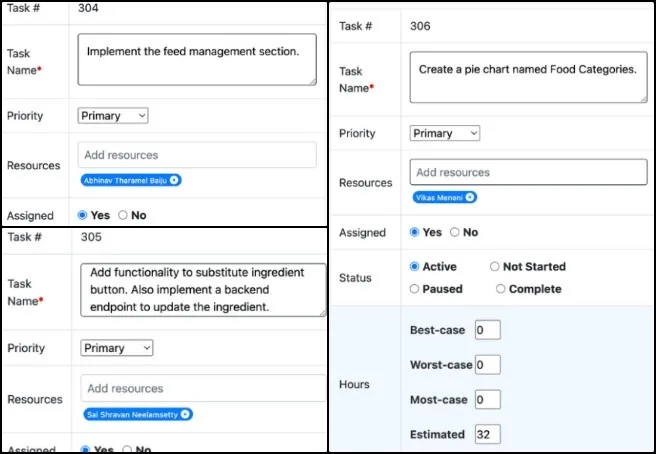
Neeraj resolved merge conflicts across branches, contributed to pull requests for event sorting and resource usage, and built an event waitlist feature that handles capacity limits and automatic user promotion. Shravan created an Animal Management landing page for the Kitchen Inventory Management module, implemented a custom dark mode hook, and resolved merge conflicts and styling errors for a Blue Square Description pull request. Vikas worked on a Food Categories pie chart component for the Kitchen Inventory dashboard, implementing filters and categories, but experienced dependency conflicts that prevented rendering, prompting a transition to a different task. See the Highest Good Society and Highest Good Network pages for more on how this relates to our mission of leading global sustainability implementation. Explore some of the team’s work in the collage below.
LUCKY STAR SOFTWARE DEVELOPMENT TEAM
The Lucky Star Team’s summary, covering their work on the Highest Good Network, was managed by Hemanth Sai Venkata Srinivasa Kumar Nidamanuru (Administrative Assistant) and Sohail Uddin Syed (Software Engineer). The team includes contributions from Abhinav Tharamel Baiju (Software Engineer), Aryan Rachala (Software Engineer), Chirag Bellara (Software Engineer), Shravya Kudlu (Software Development Engineer), Veda Bellam (Software Engineer), and Vinay Krishna (Software Engineer). Their work supports One Community’s mission of global sustainability implementation through cross-functional software development and ongoing system improvements.
This week, Abhinav worked on implementing the feed management section within the Kitchen Inventory Management system under the animal management area. The work covered monitoring feed inventory, tracking feed orders, displaying pending order details, and updating order statuses through context-based action buttons. The feed inventory tab was designed to display stock levels, reorder thresholds, and visual indicators of quantity status. The interface was built to be responsive, compatible with light and dark modes, and accessible, with a pending requirement to implement CSS modules across related pages. This work contributes to One Community’s goal of global sustainability implementation through ongoing improvements to open-source infrastructure tools.
Aryan focused on improving tag-based filtering and discoverability in the lesson list within the HGN Software Development project. GitHub branch conflicts were resolved by removing an outdated branch and creating a new, properly structured one. Styling and linting issues from updated code standards were addressed through CSS refactoring to maintain consistency and compliance. Responsiveness issues were fixed using improved layout techniques to ensure consistent rendering across screen sizes, and a pull request was created and reviewed for light and dark mode behavior. Improvements like these reflect the ongoing cross-functional work that advances global sustainability implementation across the platform.
Chirag started working on building the registration API to add users to events and completed an initial version of the API. He documented the current output state and shared it for reference. He also worked on fixing merge errors in pull request 4472, but due to the number and complexity of conflicts caused by multiple code changes, he addressed them in a new branch. After confirming this approach with Jae, he resolved the issues and created pull request 5066 with the updated code. This kind of backend development and conflict resolution is part of the steady technical progress that supports global sustainability implementation through open-source platform growth.
Shravya worked on a high-priority task related to completing the feedback system and prepared the merge request for it. After that, she continued working on the pagination part of a bug fix, implemented the required changes, and verified the behavior during testing. While testing the pagination changes, she encountered an unexpected issue that was not visible earlier, and she analyzed the problem and identified the cause during the testing process. This type of iterative debugging and system refinement is part of the ongoing technical work that supports global sustainability implementation through reliable open-source software.
Sohail investigated and resolved a bug in the HGN Questionnaire Dashboard’s Community Members filtered view where skill-based filters were returning a “failed to load members” error. Two defects were identified in the communityController.js file. The first was the absence of .lean() on the Mongoose query, which caused the extractSkills function to produce empty objects for every member, resulting in no matches for any active filter. The second involved internal Mongoose fields surfacing during object enumeration, which was addressed by adding guards to exclude keys prefixed with $ or _. Both fixes were applied, and the existing AND-based filter logic was confirmed correct and left unchanged. This kind of targeted bug resolution contributes to global sustainability implementation by keeping open-source platform tools accurate and dependable.
Veda worked on multiple features and fixes within the Highest Good Network application, focusing on analytics dashboards and UI consistency. She addressed filter issues in the Cancellation Impact on Vacancy line chart and opened a pull request for review. Merge conflicts and errors in the Job Posting Page Analytics feature were resolved to ensure the horizontal bar graph rendered correctly. Dark mode issues affecting the calendar component and job description modal were also fixed and resubmitted for review. These contributions are part of the steady platform development that supports global sustainability implementation across the network.
Vinay K worked on fixing an error page issue on the Add New Team route in the Building Management Dashboard (related PR 3064), where navigating to the page redirects to an error page instead of loading the team creation form. The work covered identifying and resolving issues related to route configuration, component rendering, and data-fetch dependencies, along with validating user actions and verifying role-based access and permissions. This work is part of the broader platform development that drives global sustainability implementation through stable and well-functioning systems. See the Highest Good Society and the Highest Good Network pages to learn more about how this work supports global sustainability implementation. See the collage below highlighting the team’s work for the week.
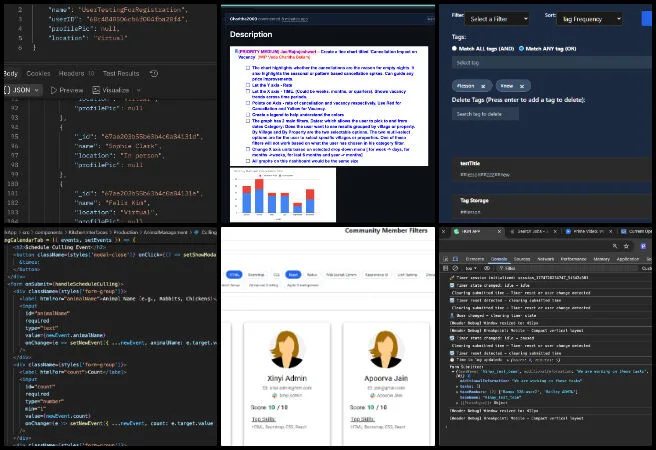
MOONFALL SOFTWARE DEVELOPMENT TEAM
The Moonfall Team’s summary, which covers their work on the Highest Good Network, was managed by Uha Kruthi (Software Engineer) and includes Aayush Shetty (Software Engineer), Alisha Walunj (Software Engineer), Mani Shashank Marneni (Software Engineer), Sai Teja Kaasoju (Software Engineer), Sudheesh Thuralkalmakki Dharmappa Gowda (Full Stack Developer), and Vishnupriya Swaminathan (Software Engineer). Their efforts support One Community by advancing global sustainability implementation through open-source collaboration, ecologically responsible innovation, and holistic global progress.
This week, Uha worked on improving the usability of the BM Dashboard Purchase Request Form within the Project and Tool Selection workflow by implementing dynamic filtering of tools based on the selected project and adding contextual metadata such as availability status, last requested date, and common use cases, along with introducing priority auto-suggestions based on historical patterns, adding validation to detect recently requested tools for the same project, and implementing a confirmation summary before submission to improve accuracy. These contributions advance global sustainability implementation by refining technical and design processes.
Sudheesh worked on HGN Software Development Phase 2 enhancements to the Daily Equipment Log by improving initial screen rendering, refining layout and frontend styling, fixing dark mode inconsistencies including hover state issues and unwanted overlays, and completing implementation and verification before pushing updates for review. Aayush worked on the Phase 3 Participation task addressing trend percentage placement and visual semantics issues in drop-off and no-show cards by reviewing requirements, resolving merge conflicts after syncing with the main branch, updating UI metric placement, testing changes locally, and documenting progress with screenshots and video. These updates strengthen the reliability and reuse of shared infrastructure supporting the mission of observing global sustainability implementation.
Mani worked on a low-priority UI bug related to No-Show Rate insights tab styling by debugging rendering logic, refactoring dynamic width calculations to align progress bars with percentage values, testing edge cases including 0% and 100%, and verifying visual consistency with backend data. Sai Teja worked on a role-based permission issue causing a 403 Forbidden error when Admin and Owner users accessed dashboards through the Leaderboard by reproducing the issue, tracing it to backend authorization logic, updating conditional checks in the controller, and performing initial testing while continuing further debugging for remaining scenarios. Alisha worked on resolving the Job Posting Page category filter issue where no listings were returned by debugging frontend and backend logic, validating data across categories, identifying issues with comma-separated role storage, updating backend APIs to use JSON parsing for multi-select categories, modifying frontend encoding logic, raising a pull request with changes, and continuing work on resolving feedback and merge conflicts in an earlier pull request. These refinements improve accessibility and system usability while supporting the mission of following global sustainability implementation.
Vishnupriya worked on reviewing and testing multiple pull requests by running applications locally, validating functionality across analytics, export features, and dashboards, confirming correct UI behavior and API responses, and documenting results with supporting visuals to ensure accurate tracking of development progress. Visit the Highest Good Society and Highest Good Network pages for more on how this work supports global sustainability implementation through open-source development and globally accessible resources. The collage displayed below portrays the team’s efforts and achievements for the week.
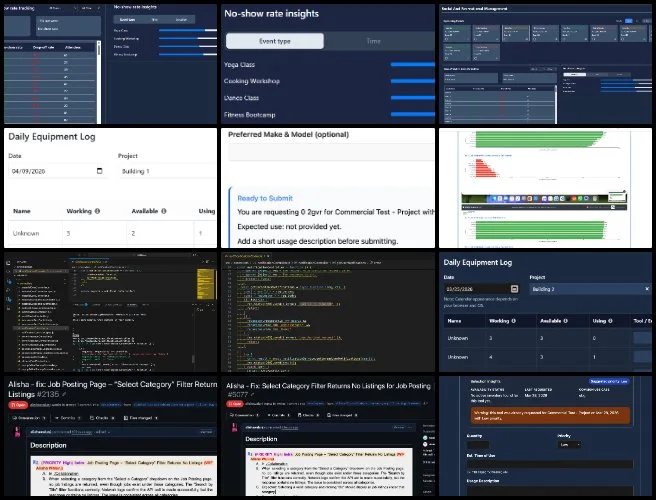
REACTONAUTS SOFTWARE DEVELOPMENT TEAM
The Reactonauts team summary, which covers their work on the Highest Good Network, was managed by Diya Wadhwani (Software Developer) and Divanshu Bakshi (Product Manager) and it includes Aseem Deshmukh (Software Developer), Namitha Vijaykumar Pawar (Software Engineer), Sri Satya Venkatasai Siri Sudheeksha Vavila (Software Engineer), and Suparshwa Patil (Software Engineer). This effort strengthens global sustainability implementation through organized and structured workflows.
This week, Suparshwa worked on fixing core issues in the codebase by debugging functionality-breaking errors and preparing the implementation for migration into the main project repository, focusing on organizing and adapting the code to align with the existing project structure and ensuring compatibility with current components for integration readiness while supporting global sustainability implementation.
Aseem worked on PR #4310 by creating a new branch, resolving merge conflicts in FormattedReport.jsx, addressing a githhub push error related to remote refs by integrating changes, and updating ExpectedVsActualBarChartmodule.css, ExpenseBarChart.jsx, and WeeklyProjectSummary.jsx to adjust financials card sizing, improve dark mode behavior, modify chart dimensions and card wrapper, refine the filter button, and push the updates to the repository, contributing to global sustainability implementation.
Diya worked on multiple HGN hotfix items across backend and frontend by closing PR #5026 due to ci failure, re-raising fixes in PR #5051 aligned to the updated baseline with test adjustments, fixing a global background regression in PR #5052 by scoping styling, resolving teams management UI alignment issues and raising PR #5058, updating a WBS label in PR #5059, fixing a team deactivation issue by normalizing null values in PR #2119, resolving a weekly summary email cron job issue caused by a missing import and variable shadowing with validation through a local script in PR #2123, correcting a sorting typo affecting user ordering, and continuing work on the team member tasks “user state” feature by fixing selection persistence, adding a batch endpoint for fetching selections, creating reset and seed scripts for consistent catalogs, and investigating emoji handling and color storage mismatches, aligned with global sustainability implementation.
Namitha worked on updating the “save as pdf” button on the participation page in PR #5069 by replacing the existing image and emoji with a pdf-specific icon, reviewing the social and recreational management section for consistency in design patterns, verifying that the change did not impact pdf export functionality, and performing UI testing to confirm icon visibility, responsiveness, and cross-browser consistency, supporting global sustainability implementation.
Sudheeksha worked on HGN software development tasks across multiple sessions totaling 20 hours by implementing dark mode styles for the HGN skills page, resolving merge conflicts in PR #4339 locally and pushing for merge, addressing issues in PR #4407 related to page not found and help request modal submission on the topcommunitymembers page, and working on resolving sonarqube quality gate issues by fixing maintainability rating problems and other quality check failures, with most issues resolved locally while some errors remained pending further fixes before merge, contributing to global sustainability implementation. The collage below highlights the Reactonauts team’s work for the week.
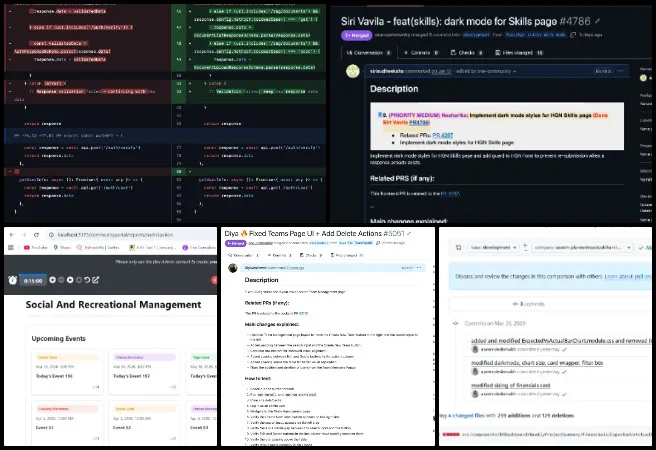
SKYE SOFTWARE DEVELOPMENT TEAM
The Skye Team’s summary, covering their work on the Highest Good Network, was managed by Sayantan Paul (Frontend Tester and Software Team Administrator) and Anthony Weathers (Software Engineer). The team includes Marcus Yi (Software Engineer) and Swathi Angadi (Software Engineer). The Highest Good Network software is committed to guiding global sustainability implementation by objectively tracking and managing progress across social architecture, construction, production, and maintenance processes, utilizing transparent, scalable systems that strengthen accountability, coordination, and resilient ecosystems.
This week, Swathi worked on enhancing the login features of the LB Dashboard by implementing live validation from the first keystroke, displaying a message when Caps Lock is enabled, and adding a loading indicator on submit to prevent multiple clicks and repeated database calls. She also began work on the Dark Mode feature, raised a pull request for the login enhancements, and has a pending pull request for the Dark Mode updates. Marcus updated the X posting workflow in the wireframe to allow users to schedule posts directly within the interface. He also modified the post-now flow so that selecting it redirects users to X with the post composer opened and content prepared, leaving only the final post action to be completed, and identified adding account connection functionality as the next step. This progress reflects continued momentum in advancing global sustainability implementation.
Anthony pushed new commits for PR#3600 and PR#1447, added a comment, and updated the original PR descriptions to include revised testing steps and additional changes addressing issues raised in recent reviews. He also reviewed PR#2081 at a team member’s request to verify issues reported by another reviewer but did not encounter any of the noted problems and provided approval along with a video demonstrating the results. In addition, he reviewed PR#1990 and confirmed there were no apparent issues, informing the stakeholder that the PR could remain as is without reverting. Lastly, he returned to the task of implementing the ability to reorder warning trackers, resolved issues that surfaced while relocating portions of his code, and began structuring a solution to keep previously assigned warnings synchronized with their correct tracker using an identifier rather than relying on the warning title. By addressing these challenges, the Skye Team’s work plays a significant role in advancing global sustainability implementation by strengthening scalable, transparent systems within the broader Highest Good Network infrastructure. See the Highest Good Society and the Highest Good Network pages to learn more about how leading global sustainability implementation is central to One Community’s goals, demonstrated through transparent, collaborative innovation within the Highest Good Network open source hub. See the collage below for the team’s work.
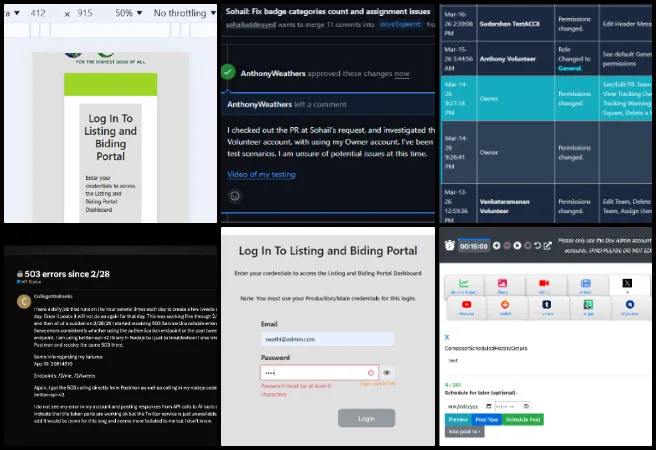
SOFTWARE PR REVIEW TEAM A-N
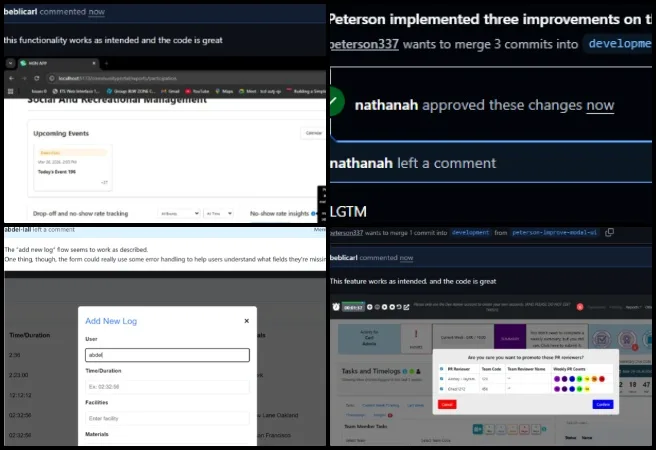
The PR Review Team’s summary for members with names starting with A–N was managed by Sai Sree Dongari (Data Analyst). The Highest Good Network is a foundation for measuring our results in global sustainability implementation. This week’s active members of this team were Abdelmounaim Lallouache (Software Developer), Carl Bebli (Software Developer), and Nathan Hoffman (Software Engineer). They reviewed all Highest Good Network PRs shared in this week’s update. Learn more about how the Highest Good Network open source hub measures progress toward global sustainability implementation. The collage below shows a compilation of this team’s work.
SOFTWARE PR REVIEW TEAM O-Z
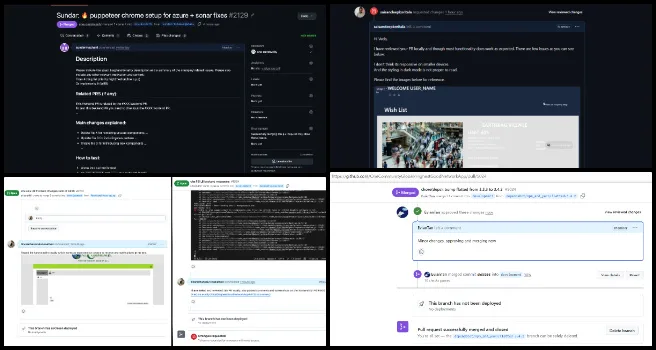
The PR Review Team’s summary for members with names starting with O–Z was managed by Shameera Musthafa (Data Analyst). The Highest Good Network is a foundation for measuring our results in global sustainability implementation. This week’s active members of this team were Sai Sandeep Koritala (Software Engineer), Sharadha Kasiviswanathan (Software Engineer), Sundar Machani (Software Engineer), Yiyun Tan (Software Engineer). They reviewed all the Highest Good Network PRs (Pull Requests) shared in this week’s update. Learn more about how the Highest Good Network open-source hub measures progress towards our goal of global sustainability implementation. The collage below shows a compilation of the work from this team.
AND WE PRODUCED THIS WEEKLY UPDATES BLOG – CLICK HERE TO SUBSCRIBE
FOLLOW ONE COMMUNITY’S PROGRESS (click icons for our pages)
INVESTOR PAGES
OVERVIEW | LOCATION | FUNDING
GET INVOLVED
DONATE | WAYS ANYONE CAN HELP | MEMBERSHIP
CLICK HERE FOR ALL PAST UPDATES
Category: Basics of One Community, Community, One Community Tags: One Community Update, addressing climate change, Education for Life update, creating a new world paradigm, open source, grass roots sustainability, open source food, the betterment of society, non profit, self-sufficiency, ecological living, creating holistic transformational change, sustainable living, radical sustainability, solutions that create solutions, regenerative world building, open source sustainability, open source housing, One Community progress, Duplicable City Center Hub, global sustainability, open source design, Education For Life progress, better is possible, for the highest good of all, Global Sustainability Implementation, transforming the global environment, solution based thinking, sustainable community building, Earthbag Village, Highest Good education, one community, Permaculture Communities, Highest Good housing, food forest, green living, resource based economy, Highest Good food, sustainable civilization building, permaculture, RBE, Highest Good society, creating global solutions
 One Community