Eco-regenerative Lifestyle Construction – One Community Weekly Progress Update #704
Posted on September 14, 2026 by One Community Hs
Leave a Comment
One Community is developing eco-regenerative lifestyle construction as a model for sustainable living, covering food, energy, housing, education, economics, social architecture, and fulfilled living. Created by an all-volunteer team, our work is designed to be self-replicating, evolving into a global network of teacher/demonstration hubs that show what’s possible when we build for “The Highest Good of All.” Everything we create is open source and freely shared, so anyone, anywhere can use our process to regenerate their local environment. Our mission is simple: help create a world that works for everyone, one replicable model at a time.
OUR MAIN OPEN SOURCE HUBS
Click on each icon to be taken to the corresponding Highest Good hub page.
One Community’s physical location will forward this movement as the first of many self-replicating teacher/demonstration communities, villages, and cities to be built around the world. This is the September 14, 2026 edition (#704) of our weekly progress update detailing our team’s development and accomplishments:
Eco-regenerative Lifestyle Construction
One Community Progress Update #704
DONATE | COLLABORATE | HELP WITH LARGE-SCALE FUNDING
CLICK HERE IF YOU’D LIKE TO RECEIVE AN EMAIL EACH WEEK WHEN WE RELEASE A NEW UPDATE
YOU CAN ALSO JOIN US THROUGH SOCIAL MEDIA


ONE COMMUNITY WEEKLY UPDATE DETAILS
HIGHEST GOOD HOUSING PROGRESS
One Community is developing eco-regenerative lifestyle construction through Highest Good housing that is artistic and beautiful, more affordable, more space efficient, lasts longer, DIY buildable, and constructed with healthy and sustainable materials:
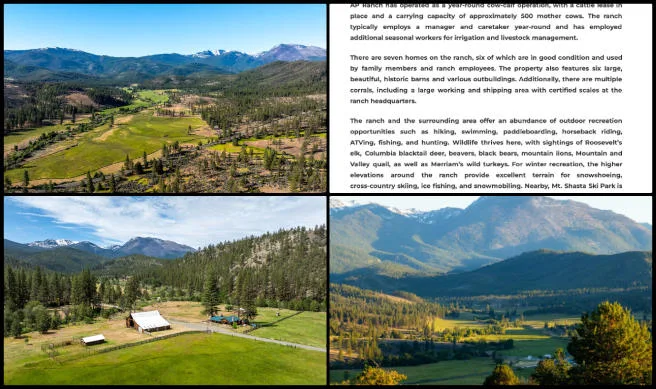
This week, the core team continued working on the Highest Good Housing component of property research. As their primary focus this week, they also completed a review of the goats page, which outlines the project strategies for utilizing goats for milk production, noxious weed elimination, manure for fertilizer, and potential future meat production, supporting the goal of developing eco-regenerative lifestyle construction. The team also continued research, based upon website criteria, regarding potential property locations for the establishment of One Community. The collage below portrays the team’s efforts and achievements for the week.
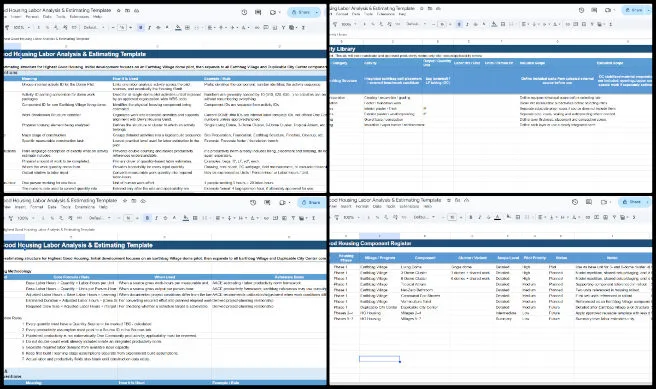
Rushikesh Tubaji (Volunteer Industrial Engineer) joined the team and reviewed the initial HG Housing labor-analysis materials, including the assigned action item, manager guidance, rollout information, Earthbag Village resources, and example estimating references. He defined the single-dome labor analysis as the first development area and began building the Google Sheets framework. He added information to the README and Assumptions section, Component Register, and Labor Productivity Library, including terminology, estimating-method fields, component categories, and source-tracking structure, supporting the goal of developing eco-regenerative lifestyle construction. Rushikesh then developed the initial Dome Pilot Estimate activity breakdown, organizing work across site preparation, excavation, footer and foundation activities, earthbag construction, openings, utilities, wall finishes, flooring, inspection, and cleanup. He also defined activity descriptions, notes, and source-reference fields so the work can be traced to the supporting construction guidance and prepared for later quantity and productivity analysis.See below for some of the pictures related to this work.
DUPLICABLE CITY CENTER PROGRESS
One Community is developing eco-regenerative lifestyle construction through a Duplicable and Sustainable City Center that is LEED Platinum certified/Sustainable, can feed 200 people at a time, provide laundry for over 300 people, is beautiful, spacious, and saves resources, money, and space:
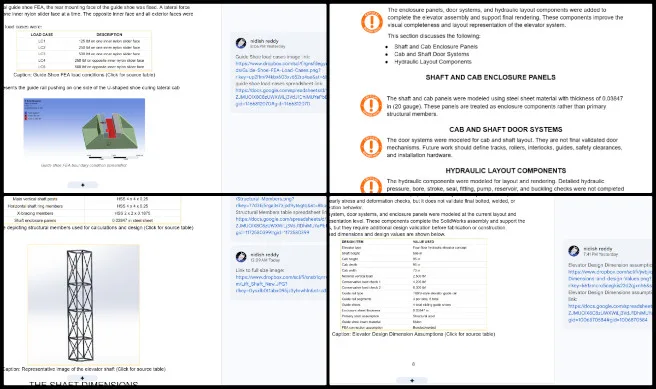
This week, Nidish Reddy Koppula (Mechanical Engineer) continued working on the Duplicable City Center design. He worked on organizing project files, CAD assemblies, and related documentation to improve the structure and accessibility of the final project materials, supporting the goal of developing eco-regenerative lifestyle construction. He received suggestions for modifications to the documentation and incorporated the recommended changes where applicable. Nidish also updated Excel spreadsheets used for detailed tables, calculations, and supporting project data to improve organization and readability. Additional work included checking file organization, assembly references, and supporting materials to ensure the final project deliverables were arranged clearly and consistently. This open source Duplicable City Center project contributes to developing eco-regenerative lifestyle construction. See the collage below for a snapshot of his work this week.
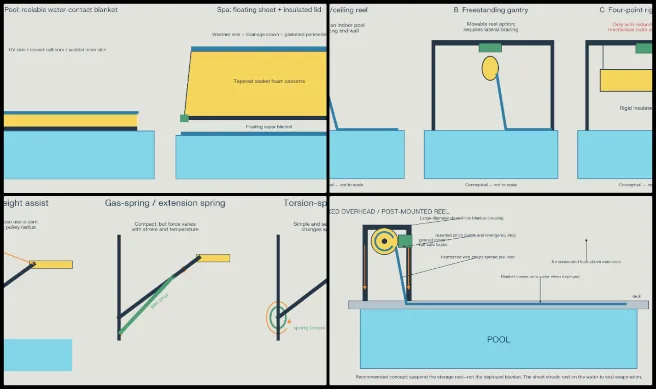
Sai Pranav Avva (Mechanical Engineer) continued developing the City Center Eco-spa Designs, reviewed the natural spa habitat document, became familiar with its contents, and identified inconsistencies to flag. Time was also spent repairing simulation files, several of which had broken subsidiary files that prevented them from opening, supporting the goal of developing eco-regenerative lifestyle construction. After the repairs were complete, work began on redoing the simulations and testing them to determine the underlying issues and assess whether additional work is required. This open source Duplicable City Center project contributes towards facilitating eco-regenerative lifestyle construction. See the collage below for images of the work this week.
HIGHEST GOOD FOOD PROGRESS
One Community is developing eco-regenerative lifestyle construction through Highest Good food that is more diverse, more nutritious, locally grown and sustainable, and part of our open source botanical garden model to support and share bio-diversity:
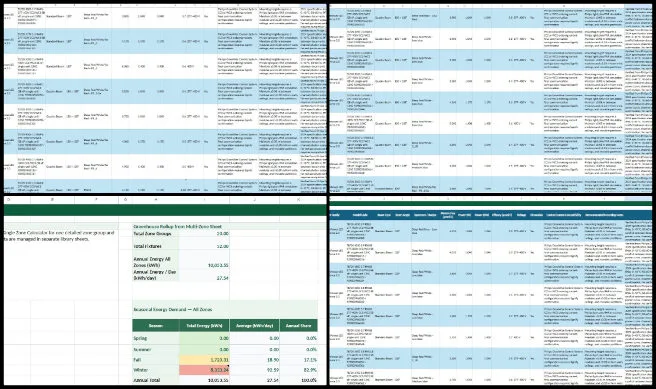
This week, Jay Nair (BIM Designer) continued working on the Aquapini and Walipini Planting and Harvesting documents. He worked on reviewing and refining specific operating settings within the Walipini 1 lighting energy calculator, supporting the goal of developing eco-regenerative lifestyle construction. The work included reconciling Zone 22’s notes with its operating settings, checking total daily light periods with added attention to Zones 25–26, and validating the revised crop limits for Carob’s increased PPFD ceiling and Ciruela’s extended photoperiod. These updates focused on improving consistency between plant requirements, zone assumptions, and calculator outputs. These efforts improve the stability and adaptability of shared systems, supporting the broader goal of facilitating eco-regenerative lifestyle construction. See the collage below portraying the work done this week.
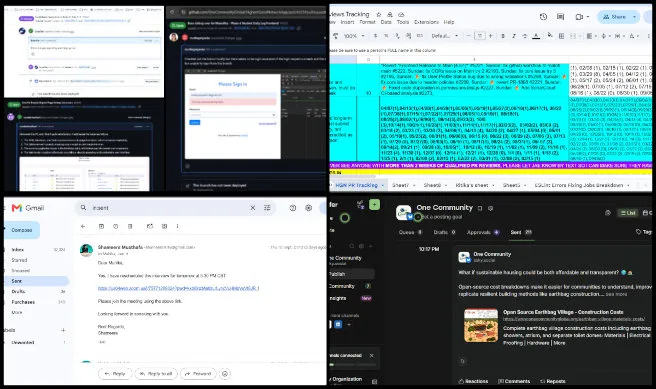
Shameera Musthafa (Data Analyst) continued working on the Highest Good Food initiative, supported OC Administration and the PR Review Team by coordinating PR review workflows, reviewing the work of both the Admin and PR teams, and providing feedback to ensure accuracy, clarity, and consistency across all deliverables. She organized and categorized project images, created visual collages, and finalized blog-related content as part of PR review coordination, ensuring that both visual and written materials were properly curated and documented. Additionally, Shameera contributed to the Highest Good Food report pages and related visualizations, supporting the goal of developing eco-regenerative lifestyle construction. She also managed the One Community Bluesky social media account, creating and publishing posts to help share project updates and increase outreach and engagement. In addition, she supported the hiring process by conducting interviews and evaluating candidates. This work plays a key role in facilitating eco-regenerative lifestyle construction. See below for images showcasing her work.
Navya Eeshani Boyapati (Web Designer) continued working on the Highest Good Food page publishing, Task 281: Highest Good Food Page Rebuild by reviewing the existing webpage content and rebuilding the page structure, updating and organizing the content, correcting HTML formatting and spacing issues, improving the layout and presentation, supporting the goal of developing eco-regenerative lifestyle construction, and ensuring the page was consistent with the required website formatting and design standards. See the collage below for a snapshot of this week’s work towards facilitating eco-regenerative lifestyle construction
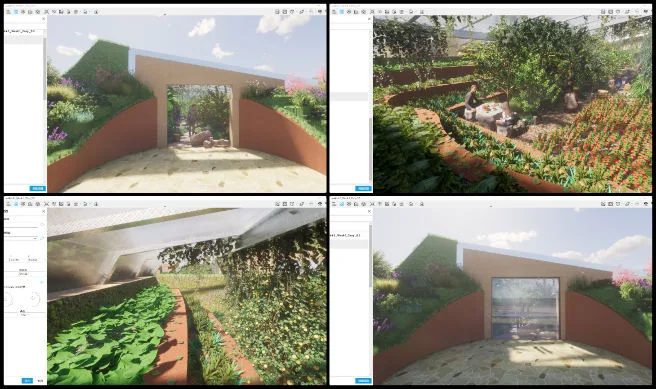
Zoey Zou (Volunteer Landscape Architect) joined the team and further developed the Walipini #3 model, refining planting details, people spaces, seating, interaction and observation areas, harvesting zones, and perspective views to support the goal of developing eco-regenerative lifestyle construction. Based on feedback, she adjusted the design, updated materials and entrance details to better match existing project renders, and revised the earthbag wall appearance and surrounding environmental details, then prepared and uploaded progress screenshots for further review before final rendering and walkthrough production. Zoey also reviewed and organized the Large-scale Production Tropical Aquapini model, studying its planting, climate, humidity, production, and people-space requirements to prepare it for further design development. See below for images showcasing her work.
HIGHEST GOOD ENERGY PROGRESS
One Community is developing eco-regenerative lifestyle construction through Highest Good energy that is more sustainable, resilient, supports self-sufficiency and includes solar, wind, hydro, and more:
- Learn about the open source sustainable-energy foundations and eco-regenerative lifestyle construction: Solar, Hydro, and Wind
- Explore our research into the most sustainable products and companies for saving water and energy: Insulation, Eco-laundry, Lightbulbs and Light Bulb Companies, Doors and Door Companies, Windows and Window Companies, Toilets, Faucets and Faucet Accessories, Urinals, and more.
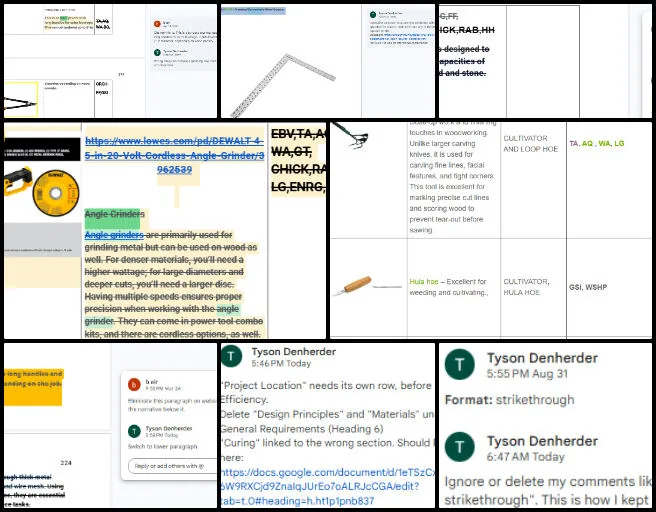
This week, the core team continued contributing to the Highest Good Energy initiative, part of One Community’s work on developing eco-regenerative lifestyle construction. They finished reviewing the Ultimate Classroom Footers, Foundation, and Flooring webpage and left several suggestions in the corresponding Google document. They then began reviewing the Tools and Equipment webpage and added comments with suggested corrections to the Master Tools, Equipment, Materials/Supplies document. The core team also identified several inconsistencies on the Tools and Equipment webpage and will continue working on these items next week supporting One Community’s work toward developing eco-regenerative lifestyle construction. Take a look at the picture below to get a glimpse of this work.
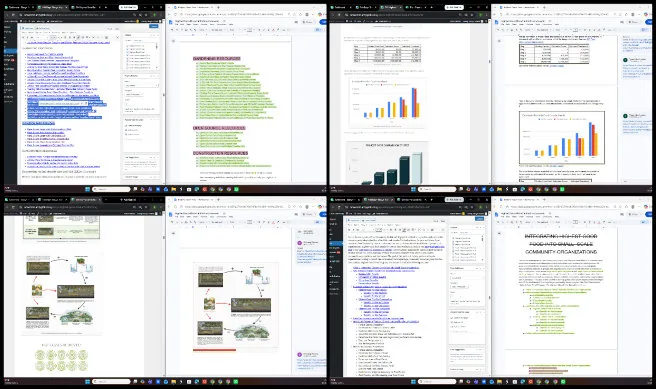
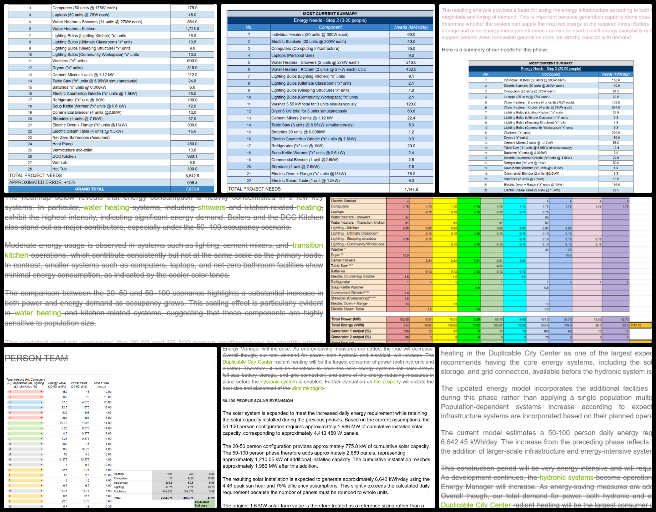
Rohan Pariakar (Operations and Supply Chain Analyst) continued writing and updating the report to document the Highest Good Energy and power-needs analysis developed in the project. He updated the energy analysis report with revised phase-specific energy requirements and solar sizing calculations. He added the Step 4 power-needs analysis for the 50-100 person configuration, including the updated daily energy requirement of 6,642.45 kWh/day and discussion of population-dependent loads and newly introduced infrastructure. Rohan also updated the Step 4 solar section to document the requirement-based sizing approach using 4.46 peak sun hours, 75% system efficiency, 450 W panels, cumulative installed capacity, and incremental panel additions. He added the Step 5 power-needs analysis for the 100-200 person configuration while leaving the final solar sizing pending validation of the current energy-demand inputs. Existing report material was reviewed and marked using the established formatting conventions, including revised, retained, relocated, and struck-through content. He double-checked the updated calculations and cross-referenced the energy requirements, installed solar capacity, panel quantities, and expected solar generation between the phase analysis and Master Solar infrastructure models to identify inconsistencies before finalizing the report. Rohan also reviewed the report layout and existing figures to identify images and spreadsheet-based visuals that were not loading correctly and to determine which visuals may need to be restored or reinserted. See the collage below for highlights of his work, contributing to One Community’s mission developing eco-regenerative lifestyle construction.
HIGHEST GOOD EDUCATION PROGRESS
One Community is developing eco-regenerative lifestyle construction through Highest Good education that is for all ages, applicable in any environment, adaptable to individual needs, far exceeds traditional education standards, and more fun for both the teachers and the students. This component of One Community is about 95% complete with only the Open Source School Licensing and Ultimate Classroom construction and assembly details remaining to be finished.
With over 8 years of work invested in the process, the sections below are all complete until we move onto the property and continue the development and open sourcing process with teachers and students – a development process that is built directly into the structure of the education program and everything else we’re creating too:
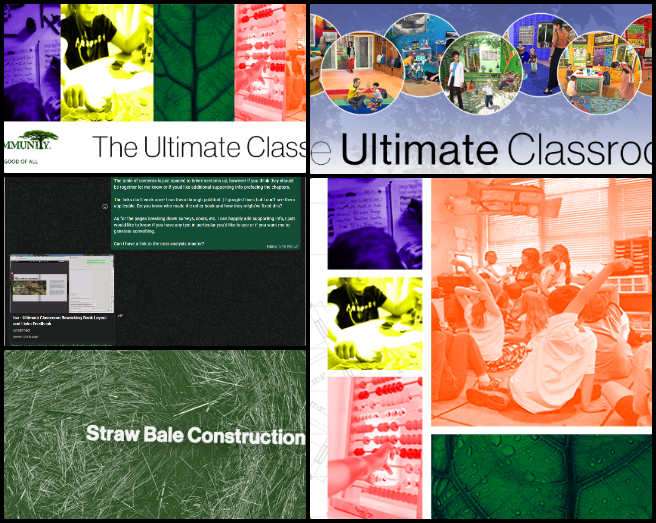
This week, Isaiah “Isa” Hernandez (Graphic Designer) continued working on the spreads for The Ultimate Classroom book. He went back and forth with Jae regarding revisions to The Ultimate Classroom book. Discussions included ensuring links in the final PDF render remain interactive, design decisions for the table of contents, and final requests from Jae. Isa also spent time creating rough drafts for the recently assigned header project. See the image below for a glimpse of his work this week on developing eco-regenerative lifestyle construction.
HIGHEST GOOD SOCIETY PROGRESS
One Community is developing eco-regenerative lifestyle construction through a Highest Good society approach to living that is founded on fulfilled living, the study of meeting human needs, Community, and making a difference in the world:
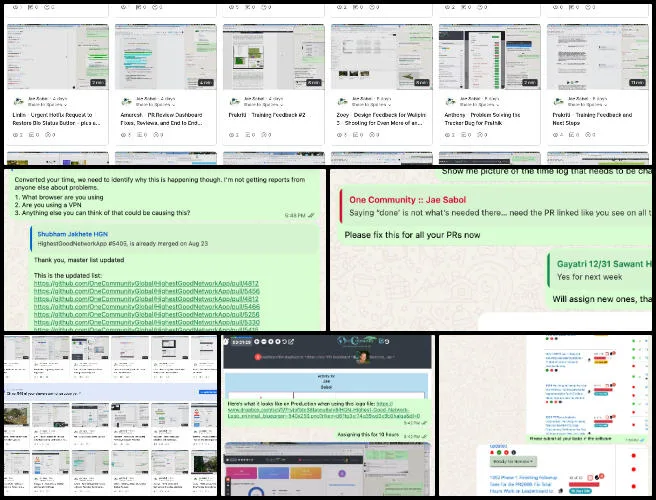
This week, the core team completed over 39 hours managing volunteer work reviews, handling emails, overseeing social media accounts, supporting web development, and identifying and integrating bug fixes for the Highest Good Network. They also interviewed and onboarded new volunteer team members. Additionally, they produced and integrated the video above about developing eco-regenerative lifestyle construction. The video also explores how developing eco-regenerative lifestyle construction serves as a foundational element of One Community’s broader mission. The following images showcase their work.
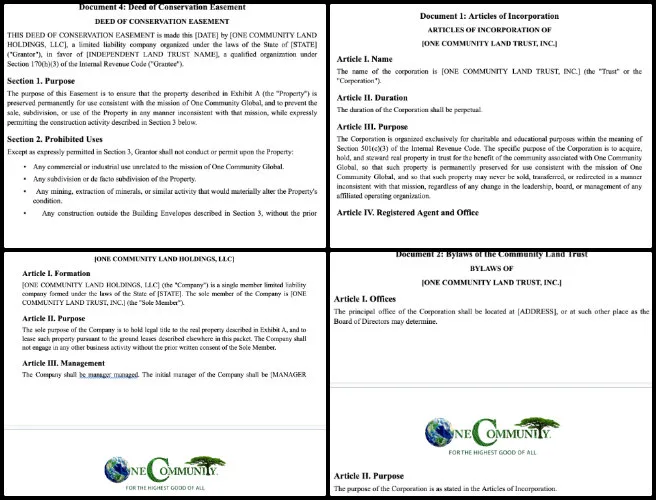
Anagha Sunil Bharadwaj (Legal Research and AI Policy Specialist) continued research on perpetual purpose trusts across US jurisdictions and their practical implications. She began drafting the framework for the Community Land Trust’s formation documents and bylaws, including the tripartite board structure and the trust enforcer’s veto powers over sale, transfer, and mission amendment, and incorporated the building envelope and graduated revenue linkage provisions from the cohesion analysis into the draft language. Anagha researched model bylaws and governance provisions for community land trusts, including trustee removal procedures, term limits, and dispute resolution mechanisms between a trust enforcer and the board, and researched standard operating agreement provisions for nonprofit owned LLC subsidiaries to ensure the LLC layer is structured as a passive title holding entity with no independent authority. Using this research, she completed first drafts of the Articles of Incorporation, the Bylaws, the LLC Operating Agreement, and the Deed of Conservation Easement for the proposed legal structure. See the collage below to see her week’s work, furthering One Community’s mission of developing eco-regenerative lifestyle construction.
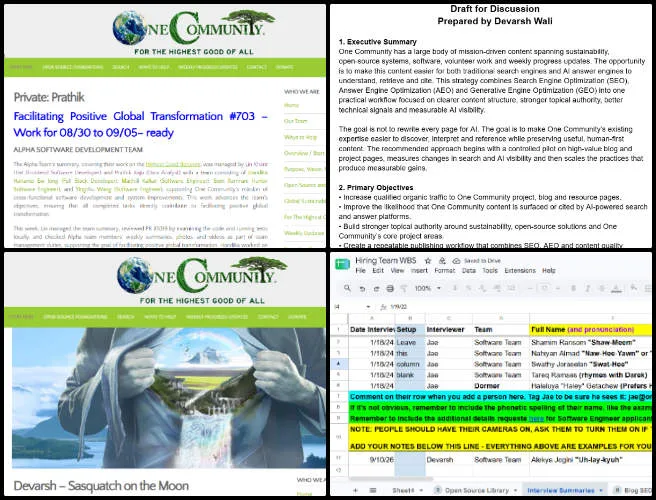
Devarsh Wali (Program Manager) continued supporting the weekly blog review process and Admin Team procedures. He supported One Community’s administration, hiring, software testing, training and AI optimization work towards developing eco-regenerative lifestyle construction. Devarsh interviewed new candidates, supported interview preparation, and refined hiring questions and feedback materials. He also scheduled interviews and reviewed work submitted by Admin Team members, including supporting Prakriti with the training and weekly review process. Devarsh reviewed HGN pull requests and supported frontend software testing as part of the Level 1 Software Product Testing and Task Adding Admin work. In addition, he developed the One Community AI Optimization and AEO Strategy draft, outlining approaches for SEO, AEO and GEO, content structure, AI visibility testing, measurement and a phased implementation plan for improving blog and website discoverability. The images below provide examples of this week’s work.
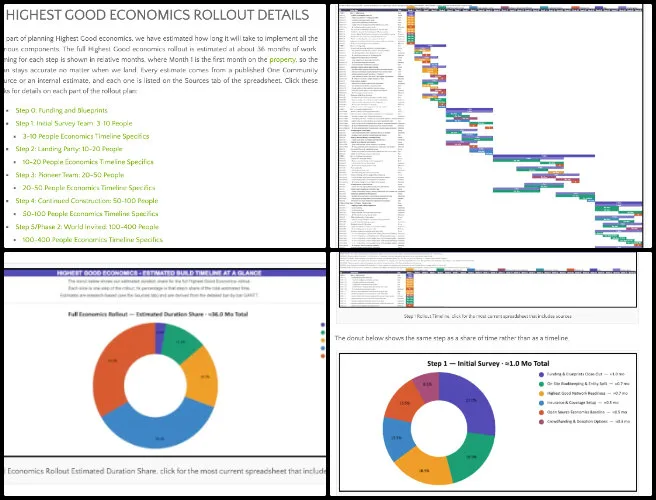
Devendranath Chowdary Maganti (Data Analyst) continued developing the Highest Good Economics (HGE) Rollout Timeline Data Analysis Dashboard and Visualizations by integrating new content into the HGEc web page and timeline tracker based on the available project documentation. He also worked on the Administration Team weekly blog, reviewed fellow teammates’ blogs, and made changes based on their feedback. As part of the Training Team, he reviewed Ashmita’s and Prakriti’s training blogs, left comments suggesting changes, and followed up with them on the requested updates. See the collage below for weekly highlights of his work, contributing to developing eco-regenerative lifestyle construction.
ADMINISTRATION TEAM
The Administration Team’s summary, which covers their work on the Highest Good Network, was managed by Devendranath Chowdary Maganti (Data Analyst) and includes Gargi Vipat (AI Engineer), Mrudhula Reddy Thummala (Administrative Assistant), Olawunmi “Ola” Ijisesan (Administrative and Management Support), Prathik Raju (Data Analyst), Sachit Varma (Business Operations & Cost Analyst), Sai Sree Dongari (Data Analyst), and Tanmay Nihal Harwani (Data Scientist). The Administration Team supports the Highest Good Network, a tool designed to track and measure progress while creating systems that support developing eco-regenerative lifestyle construction. Through administrative support, documentation, testing, training, recruitment, analytics, and content management, the team helps advance this mission, aligning with One Community’s vision of building a replicable and sustainable future model.
This week, Gargi worked as a Correction Administrator, reviewed corrected PDFs submitted by volunteers and admins in training, checked edits against expected standards, and provided specific feedback when corrections were incomplete or unclear. She also guided admins in training to review work, provide feedback, and identify appropriate solutions independently while refining the AI announcement and bio image-generation prompt system using real volunteer data to improve consistency and reproducibility. Mrudhula worked on the same correction administration and AI prompt refinement activities described in the submitted summary, including reviewing corrected PDFs, guiding admins in training, and testing the announcement and bio image-generation process. These correction, training, and AI workflow activities supported developing eco-regenerative lifestyle construction.
Ola organized Pinterest content scheduling, updated and resized images before publication, and created new Dropbox content folders for the administrative and pull request review teams. Prathik completed daily One Community time log reviews, checked action item assignments, and provided feedback where needed. He also tested the Application Page Analytics feature, identified issues with collaboration listings and job title-to-form matching, submitted bug reports, completed Facebook and Instagram analytics using Meta Business Suite data, updated the dashboard, scheduled posts, reviewed training blog work for Ashmita and Prakrithi, and completed weekly blog reporting for his managed team. These content management, analytics, and administrative activities furthered the goal of developing eco-regenerative lifestyle construction.
Sachit expanded funding matrix profiles for six major prospects with program structure, leadership, access pathways, funder relationships, organizational details, and governance information. He verified and corrected outdated leadership information, researched connections among funders, searched for direct contact information, documented unavailable public email addresses, and identified unresolved profile items requiring follow-up before outreach contributing to One Community’s mission of developing eco-regenerative lifestyle construction.
Sai Sree organized review images, created collages, finalized PR Admin Team blog content, and completed frontend testing across event details, status and rating updates, navigation, filtering, dark mode, tables, charts, inventory features, application workflows, badge assignments, and URL handling for logged-in and logged-out states. She also worked on advanced documentation, reviewed training work, provided feedback, and updated the Social Media Master Dashboard. These funding research, software testing, and documentation activities contributed to developing eco-regenerative lifestyle construction.
Tanmay updated existing bios, contacted team members for missing summaries and photographs, followed up on pending information, consolidated content from multiple team blogs, and completed required SEO changes before publication. He also published posts on Threads, updated the Social Media Master Dashboard, maintained tracking sheets and volunteer records, reviewed initial work from two new admins, provided feedback, checked titles and descriptions for inconsistencies, and completed final testing of merged PRs to identify remaining issues. These bio administration, content management, social media, and software testing activities aligned with developing eco-regenerative lifestyle construction. See the collage below for highlights of this week’s work.
HIGHEST GOOD NETWORK PROGRESS
 One Community is developing eco-regenerative lifestyle construction through open source Highest Good Network® software that is a web-based application for collaboration, time tracking, and objective data collection. The purpose of the Highest Good Network is to provide software for internal operations and external cooperation. It is being designed for global use in support of the different countries and communities replicating the One Community sustainable village models and related components.
- Learn about our open source community collaboration, management software, and eco-regenerative lifestyle construction: The Highest Good Network
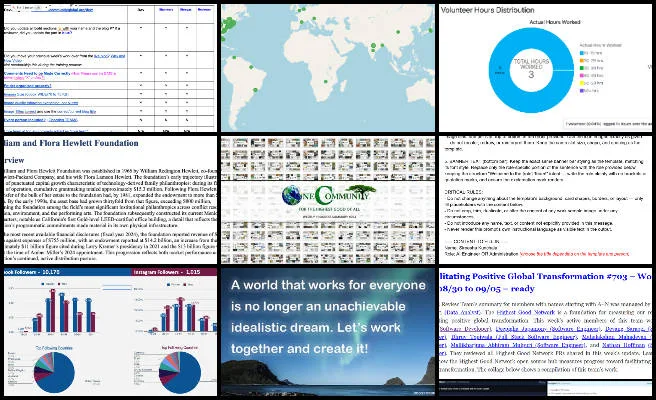
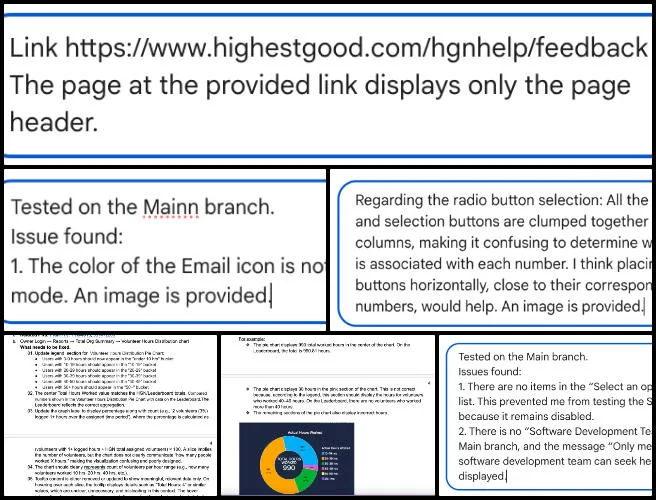
This week, the core team continued testing HGN PR testing on the Main branch for the Highest Good Network, a platform developing eco-regenerative lifestyle construction, and confirmed nine PRs as fixed. Four PRs were not fixed: HGN Questionnaire Dashboard: Team Member’s Skill & Contact Page – Add Bulk Actions for Managers; HGN Questionnaire Dashboard: Frontend: Help Request Modal – Fix the ability to submit the help request form; HGN Skills Overview Page: Service Worker Registration; and HGN Questionnaire Dashboard: Frontend: Create the Initial Help Request Modal. They also created tasks to fix the Volunteer Hours Distribution Pie Chart data categorization issue, update the Volunteer Status donut chart section, and implement the Help Request Feedback Modal for the HGN Questionnaire Dashboard. Additional details were provided for the assigned task “Fix HGNForm layout issues.” See the collage below to view the team’s work.
ALPHA SOFTWARE DEVELOPMENT TEAM
The Alpha Team’s summary, covering their work on the Highest Good Network, was managed by Lin Khant Htel (Frontend Software Developer) and Prakriti Shakya (Software Team Administrator) with a team consisting of Handika Harianto Ew Jong (Full Stack Developer), Maithili Kalkar (Software Engineer), Som Ramnani (Junior Software Engineer), Sai Sandeep (Software Engineer) and Yingshu Wang (Software Engineer). Their work supported One Community’s mission of cross-functional software development and system improvements, helping advance developing eco-regenerative lifestyle construction.
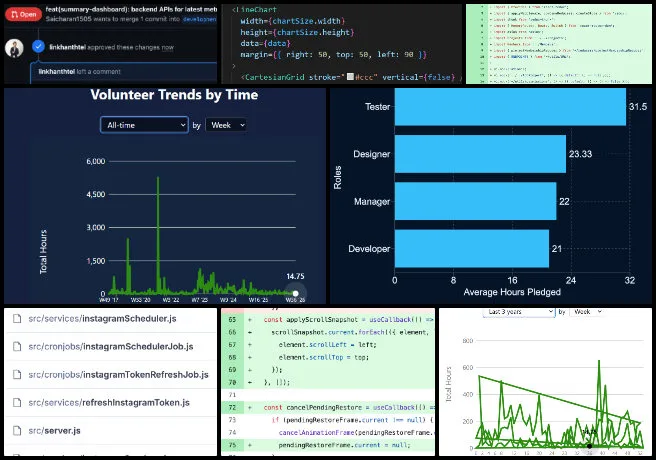
This week, Lin managed and reviewed the team’s weekly summary, examined PR #5319 by reviewing the code and running tests locally, checked Alpha Team members’ weekly summaries, photos, and videos, and shared pending pull requests for team review. Handika worked on PRs #4826 and #2043, fixing an issue that kept the editing form open after an update, resolving conflicts with the development branch, and addressing SonarQube-reported security findings. He also improved PR #4158 with updated job-ad columns and styling, category filters, search controls, pagination, placeholder images, and empty states. In PR #5533, he refined the filter layout, limited displayed selected roles, improved Job Analytics dark-mode styling, highlighted selected roles, and added clear buttons to the date pickers. These improvements support developing eco-regenerative lifestyle construction.
Maithili continued improving Instagram posting functionality by strengthening request authentication, access-token handling, and controller tests. Her work covered missing or invalid requestors, missing captions or media, expired or missing tokens, malformed media data, missing configuration, publishing errors, and successful post creation. She also corrected the test setup so requests without a requestor ID could be tested accurately furthering One Community’s mission of developing eco-regenerative lifestyle construction.
Sai advanced PR #5451 by improving Volunteer Trends chart labels, spacing, increment formatting, and margins for weekly and monthly views, while adding complete light- and dark-mode styling for the date picker. He also began PR #5476 to address layout and styling issues in progress and status bars. Som resolved the route conflict in PR #4712 while retaining Community Portal links and restoring event-management routing. He also improved pagination and accessibility in PR #4987 through responsive layouts, larger touch targets, accessible page labels, focus states, record-count announcements, empty states, search-reset behavior, and regression tests. Additionally, he fixed the Projects page Members-navigation issue in PR #4444 by preventing an active-member count request from overwriting shared Redux state and added tests for navigation and error scenarios. Yingshu refined the Volunteer Time save workflow by restoring scroll position after the confirmation modal closed, clearing stored scroll data afterward, simplifying modal test setup, and removing unneeded dependencies and outdated properties. Her updates passed 18 related tests, ESLint validation, Git diff checks, and the production build.Together, this work furthered developing eco-regenerative lifestyle construction. The collage below provides a visual overview of the ALPHA Team’s work for the week.
BINARY BRIGADE SOFTWARE DEVELOPMENT TEAM
The Team Binary Brigade’s summary, covering their work on the Highest Good Network, was managed by Roshini Seelamsetty (Software Engineer), and Prathik Raju (Data Analyst) with a team consisting of Aditya Krishnamurthi (Software Engineer), Amaan Syed (Volunteer Software Engineer), Dhruv Topiwala (Full Stack Software Engineer), Mahitha Pasupuleti (Software Engineer), Ruthwik Hosadurga Madhusudhana (Software Engineer), and Sita Ram Prasad Martha (Software Engineer), supporting One Community’s mission of cross-functional software development and system improvements. This work advances the team’s objectives, ensuring that all completed tasks directly contribute to developing eco-regenerative lifestyle construction.
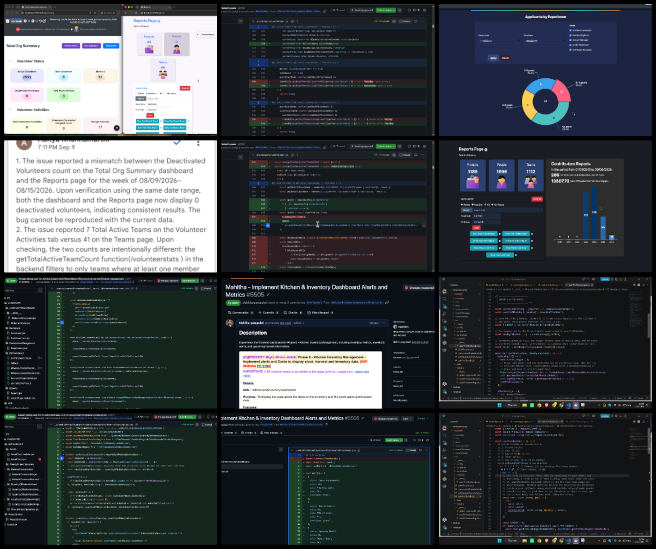
This week, Aditya investigated two issues from the HGN Phase I Bugs and Needed Functionalities document. The first concerned a Deactivated Volunteer Count discrepancy between the Total Org Summary dashboard and the Reports page, which could not be reproduced since the underlying record no longer existed in the dev database. The second concerned the Community Portal Activities page, where he traced a routing issue to a component copied directly from the BM Dashboard’s Tool Detail Page, and confirmed the correctly mapped page loads without errors, supporting the goal of developing eco-regenerative lifestyle construction. Amaan continued Phase 2 follow-up work on the Material Summary dashboard, correcting badge alignment, dark-mode contrast, and donut segment labeling. He restored People Report route access, preserved tab state on the Resource Requests and Certifications tabs, fixed a Materials Used tooltip’s sizing and mobile positioning, and improved Total Material Cost Per Project chart labels. He also resolved Project Status card clipping across device widths and added Comparison Period options, including week-over-week, month-over-month, and year-over-year, testing all changes across both themes before requesting re-review, contributing to developing eco-regenerative lifestyle construction.
Dhruv worked on the HGNRest app, fixing the close-enough-hours trigger to remove assigned blue squares, preventing blue square assignments for late joiners, and adding a Full Name field across email templates. He added unit tests covering these changes and updated a test script for manual triggering instead of waiting on cron jobs, furthering developing eco-regenerative lifestyle construction. Mahitha worked on the Kitchen and Inventory Dashboard for Phase 6, updating the header, subtitle, Priority Ingredients indicator, alert banners, and metric cards for Total Ingredients, Onsite Grown, Upcoming Meals, and Pending Orders. She added Low Stock, Upcoming Harvest, and Seasonal Recommendation alerts, updated styling for both themes and responsive layouts, fixed Stylelint specificity errors, and addressed PR feedback before testing and pushing for review, supporting developing eco-regenerative lifestyle construction.
Ruthwik focused on code quality and bug validation for the HGN App ecosystem, resolving SonarQube failing conditions and linter errors for the PM Educator Training Dashboard to achieve a stable build, along with related backend fixes. He validated data rendering for the Applicant Experience donut chart and verified filtering on the Total Contributors Report, confirming stable functionality across UI themes, advancing developing eco-regenerative lifestyle construction. Sita Ram opened the pull request for the paused-users fix built the previous week, correcting two compliance issues and confirming pause and resume behavior worked correctly through local testing. He picked up a new item on Lead Team Badge auto-assignment, traced the likely cause to an unprotected scheduled job, and built two test-first fixes: isolating each scheduled job from the others, and preventing a badge record with a zero threshold from being awarded. The Promotion Eligibility pull request also received two further approvals, bringing it to four, in support of developing eco-regenerative lifestyle construction. See the collage below for highlights of this week’s work.
DEV DYNASTY SOFTWARE DEVELOPMENT TEAM
The Team Dev Dynasty’s summary, covering their work on the Highest Good Network software, was managed by Mrudhula Reddy (Administrative Assistant) and Aditya Dubey (Software Engineer), Akshay Viswanath (Software Engineer), Amaresh Chaudhary Nara (Software Engineer), Ansh Shah (Software Engineer), Bosu Babu Bade (Software Developer), Linlin Fan (Software Engineer), Gayatri Sawant (Software Engineer), Mahathi Ganimisetti (Data Analyst), Shreevaths Karawal Satish Rao (Software Engineer), Shreyas Battula (Software Engineer), Sireesha Kunchala (Software Engineer), and Yuxuan Wang (Software Engineer). The Highest Good Network software supports helping teams coordinate resources, track project progress, manage operations, and improve efficiency across construction, maintenance, production, and community systems while supporting long-term sustainability goals, while developing eco-regenerative lifestyle construction.
This week, Mrudhula tested multiple pull requests on the HGN development site, including PR #5405, #5441, #5423, and #5265, recording her observations in the shared Google Doc for each; while testing PR #5423, she found a bug and reported it to Jae by text. She also worked on the HGN User’s Manual and helped out as part of the Training Team by giving suggestions, reviewing and leaving comments on a new volunteer’s submission, and checking their blog. Aditya carried out the second phase of his Application/Job Posting review, working through the walkthrough video, the 113-page task document, related pull requests, and current form-builder code to separate genuinely broken functionality from resolved items; after re-verifying claims against the live site and rebuilding the tracker with color-coded sections and screenshots, he began implementing the confirmed safe fixes on isolated branches, restoring the Clone button, closing a file-upload detection gap, and correcting two analytics filters, work that continues to support eco-regenerative lifestyle construction.
Amaresh addressed reviewer feedback and merge conflicts on the global CSS scoping cleanup (PR #5470), fixed the Team Code filter and pie tooltip dark mode display on the PR Insights page (PR #5526), corrected two CSS typos on the Promotion Eligibility page (PR #5546), and replaced per-user database queries with batched queries on the backend (PR #2347), cutting page load time from twenty to sixty seconds down to one to two seconds, steady progress toward eco-regenerative lifestyle construction.
Ansh tested a wide range of pull requests this week, covering Start/Pause timer responsiveness, Lesson List styling, loading spinners across the Projects, People, and Teams report cards, Weekly Project Summary usability updates, Total Projects counts and archived-view behavior, task deadline tracking permissions, Announcements email dashboard routing, and HGN Help modal dark-mode readability. Bosu completed the Analytics Dashboard Integration across the frontend and backend (PR #4482 and PR #1917), adding read-only analytics requests, an explicit refresh path, student/class/date filtering, and daily time-series data, validated with 31 backend and 9 frontend analytics tests, and completed his manager responsibilities reviewing team members’ weekly summaries, pictures, and time logs, in service of eco-regenerative lifestyle construction.
Gayatri closed out five tickets across the Application/Job Posting and Financial Tracking areas, completing a backend endpoint for the Device Breakdown analytics chart, replacing a hover-only tooltip with an accessible hover-and-focus component, fixing a Move Up renumbering bug with live position-based numbering, and correcting timezone-sensitive date parsing on the Planned vs. Actual cost chart. Linlin worked on Header responsiveness and multi-row layouts, added a debounced resize listener, fixed Badge Management dark mode styling, replaced rigid bio status and announcement toggles with a flexible nullable enum state, and improved the responsiveness and alignment of the People Report statistics card. Mahathi enhanced the Planned vs. Actual Cost visualization with color-coded budget-status metrics, standardized currency and variance calculations, and analytical tooltips, and improved the Leaderboard interface with optimized scrolling and a sticky data header for mobile accessibility, all in support of eco-regenerative lifestyle construction.
Shreevaths worked on PR #1887, fixing the certification assignment endpoint to reject duplicate assignments and adding role-based access control to the PM certification endpoints, and on PR #1357, building a new cost-breakdown endpoint that aggregates a project’s expenditure records by month with optional date-range scoping. Shreyas updated the Profile page’s Quick Setup title and team-code validation so only active codes are accepted, correcting tile color states and autocomplete suggestions, and began building Create Team functionality across the frontend and backend, including database persistence for newly created teams. Sireesha refactored materialsActions.js to use async/await with unified error handling, added try/catch coverage and optimistic status overrides for bulk actions on ItemsTable.jsx, fixed dark mode and mobile layout issues, and addressed backend PR #2178 with modified-count fallback handling and regression tests. Yuxuan completed several Phase 1 follow-up fixes for HGN Software Development, resolving the issue where teams and total tangible hours displayed as zero, continuing work on the Active Teams and Team Code display fixes, and investigating a separate backend routing issue, closing out a week that advanced eco-regenerative lifestyle construction. See below for pictures of Team Dev Dynasty’s work for the week.
SKYE SOFTWARE DEVELOPMENT TEAM
The Skye Team’s summary, covering their work on the Highest Good Network, was managed by Devarsh Wali (Program Manager) and Anthony Weathers (Software Engineer), with a team consisting of Jaden Wong (Software Engineer), Ken Zou (Software Engineer), Purav Patel (Software Engineer), and Swathi Angadi (Software Engineer), supporting One Community’s mission of cross-functional software development and system improvements. This work advances the team’s objectives, ensuring that completed tasks directly contribute to developing eco-regenerative lifestyle construction.
This week, Devarsh supported One Community’s administration, hiring, software testing, training and AI optimization work. He interviewed new candidates, supported interview preparation, refined hiring questions and feedback materials, scheduled interviews and reviewed work submitted by Admin Team members, including supporting Prakriti with the training and weekly review process. He also reviewed HGN pull requests, supported frontend software testing as part of Level 1 Software Product Testing and Task Adding Admin work and developed the One Community AI Optimization and AEO Strategy draft covering SEO, AEO, GEO, content structure, AI visibility testing, measurement and phased implementation planning. Anthony continued work on PR #3600 by investigating a new UserProfile.jsx merge conflict, identifying reverted or removed features, updating the branch and requesting additional reviews. He also pushed another merge for PR #1447, investigated a warning tracker issue involving blue squares and failure toast behavior, worked on HGNForm layout improvements and supported Ken with a time logging concern, contributing to developing eco-regenerative lifestyle construction.
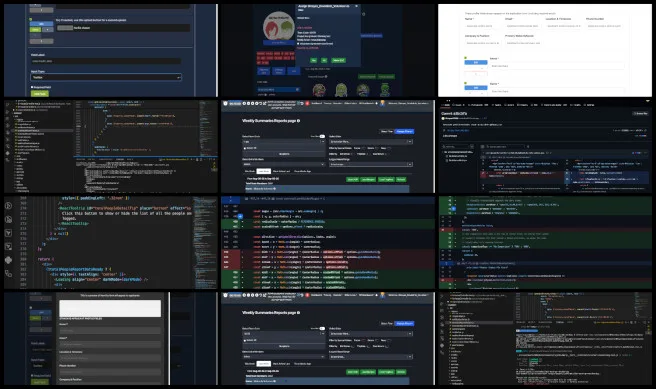
Jaden resolved outstanding issues with the HGN Questionnaire Dashboard community members list by creating a clean branch from development, reviewing frontend and backend context and tracing reviewer feedback to its root causes. He replaced a hard-coded localhost endpoint with an environment-based endpoint constant, updated the member list to load the full dataset and perform filtering, searching and sorting on the client, added an explicit error state, guarded against non-array responses, removed the non-functional Score sorting option and hid unavailable score details. Jaden also verified the work with ESLint and a full Vite build, then opened PR #5514. Ken completed fixes for the Bluesky auto-poster by resolving routing problems, correcting social media icon paths after page refreshes and fixing a component regression, creating PR #5513. He also created PR #5518 to add independent loading spinners for the Projects, People and Teams cards on the Reports page, updated the loading component and related tests and verified that the full test suite passed, supporting the work on developing eco-regenerative lifestyle construction.
Purav worked on urgent Dependabot cleanup across HighestGoodNetworkApp and HGNRest. On the frontend, he reviewed stale Dependabot PRs and created replacement PRs #5519 and #5522 for Vite, Babel and UUID updates while resolving Netlify deployment issues related to yarn.lock handling. On the backend, he triaged more than 22 open Dependabot PRs and over 100 security alerts, defined a repeatable update and testing workflow and prepared 12 backend Dependabot PRs for merge, with local testing passing across 158 of 158 Jest suites. Swathi tested feature functionality, identified and fixed missing Dark Mode updates in the Manage Edit Range option modals, created test data through the frontend, consulted Jae on database setup documents and continued working on the database changes needed for further validation, furthering developing eco-regenerative lifestyle construction. The collage below provides a visual overview of the SKYE Team’s work for the week.
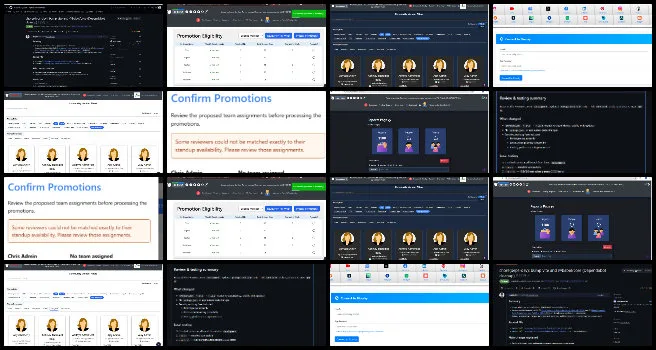
SOFTWARE PR REVIEW TEAM A-N
The PR Review Team’s summary for members with names starting with A–N was managed by Sai Sree Dongari (Data Analyst). The Highest Good Network is a foundation for measuring our results in developing eco-regenerative lifestyle construction. This week’s active members of this team were Carl Bebli (Software Developer), Deepigha Japamony (Software Engineer), Devang Saraogi (Software Engineer), Hemanth Varupula (Software Developer), Mahalakshmi Mahadevan (Product Engineer), Mallikharjuna Abhiram Mulpuri (Software Engineer), and Nathan Hoffman (Software Engineer). They reviewed all Highest Good Network PRs shared in this week’s update. Learn more about how the Highest Good Network open source hub measures progress toward developing eco-regenerative lifestyle construction. The collage below shows a compilation of this team’s work.
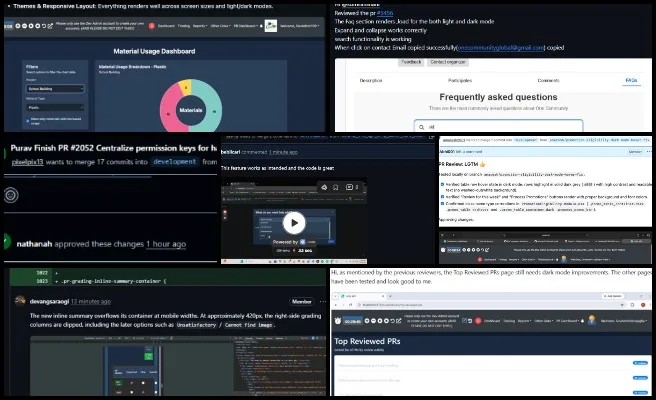
SOFTWARE PR REVIEW TEAM O-Z
The PR Review Team’s summary for members with names starting with O–Z was managed by Shameera Musthafa (Data Analyst). The Highest Good Network Software is a foundation for measuring our results in eco-regenerative lifestyle construction. This week’s active members of this team were Priyanka Ajit Mutha (Software Engineer), Shubham Jakhete (Software Engineer), Sundar Machani (Software Engineer), and Yiyun Tan (Software Engineer). They reviewed all the Highest Good Network PRs (Pull Requests) shared in this week’s update. Learn more about how the Highest Good Network open-source hub measures progress towards our goal of eco-regenerative lifestyle construction. The collage below shows a compilation of the work from this team.
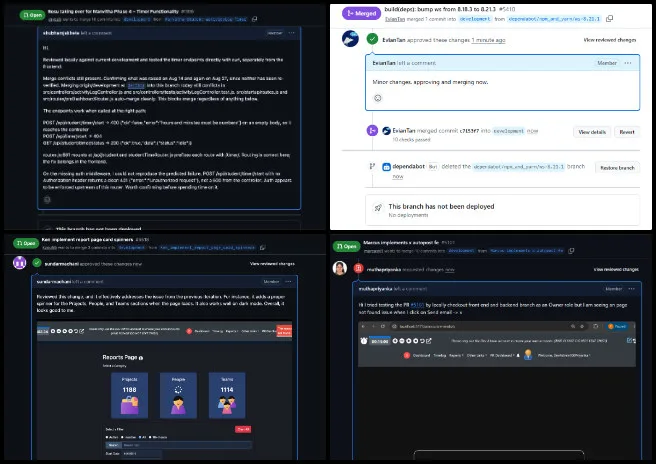
AND WE PRODUCED THIS WEEKLY UPDATES BLOG – CLICK HERE TO SUBSCRIBE
FOLLOW ONE COMMUNITY’S PROGRESS (click icons for our pages)
INVESTOR PAGES
OVERVIEW | LOCATION | FUNDING
GET INVOLVED
DONATE | WAYS ANYONE CAN HELP | MEMBERSHIP
CLICK HERE FOR ALL PAST UPDATES
Category: Basics of One Community, Community, One Community Tags: Highest Good education, one community, Permaculture Communities, Highest Good housing, food forest, green living, resource based economy, Highest Good food, sustainable civilization building, permaculture, RBE, Highest Good society, creating global solutions, One Community Update, addressing climate change, Education for Life update, creating a new world paradigm, open source, grass roots sustainability, open source food, the betterment of society, non profit, self-sufficiency, ecological living, creating holistic transformational change, sustainable living, radical sustainability, solutions that create solutions, regenerative world building, open source sustainability, open source housing, One Community progress, Duplicable City Center Hub, global sustainability, open source design, Education For Life progress, better is possible, for the highest good of all, transforming the global environment, solution based thinking, sustainable community building, Earthbag Village
 One Community