One Community
Sustainable Community Creation – One Community Weekly Progress Update #700
At One Community, sustainable community creation is at the heart of everything we do. We’re an all-volunteer team building sustainable approaches to food, energy, housing, education, and economics, creating a model that becomes self-replicating and can be used to launch a global network of teacher/demonstration hubs. We’re doing this for “The Highest Good of All,” open sourcing and freely sharing everything we create so others can replicate our work. Our goal is simple: a world that works for everyone, built through evolving sustainability and global stewardship.
- Here’s our project overview
- Here’s our world-change methodology
- Here’s how this becomes self-replicating
- Here’s how we are open source and free-sharing all the do-it-yourself designs
OUR MAIN OPEN SOURCE HUBS
Click on each icon to be taken to the corresponding Highest Good hub page.
One Community’s physical location will forward this movement as the first of many self-replicating teacher/demonstration communities, villages, and cities to be built around the world. This is the August 17, 2026 edition (#700) of our weekly progress update detailing our team’s development and accomplishments:
Sustainable Community Creation
One Community Progress Update #700

DONATE | COLLABORATE | HELP WITH LARGE-SCALE FUNDING
CLICK HERE IF YOU’D LIKE TO RECEIVE AN EMAIL EACH WEEK WHEN WE RELEASE A NEW UPDATE
YOU CAN ALSO JOIN US THROUGH SOCIAL MEDIA


ONE COMMUNITY WEEKLY UPDATE DETAILS
HIGHEST GOOD HOUSING PROGRESS
One Community is advancing sustainable community creation through Highest Good housing that is artistic and beautiful, more affordable, more space efficient, lasts longer, DIY buildable, and constructed with healthy and sustainable materials:
- Learn about: Our Upcoming Crowdfunding Campaign
- Learn about the different village models and sustainable community creation: 7 Sustainable Village Models
- Visit the open source portals for the first two: Earthbag Village OS Hub | Straw Bale Village OS Hub
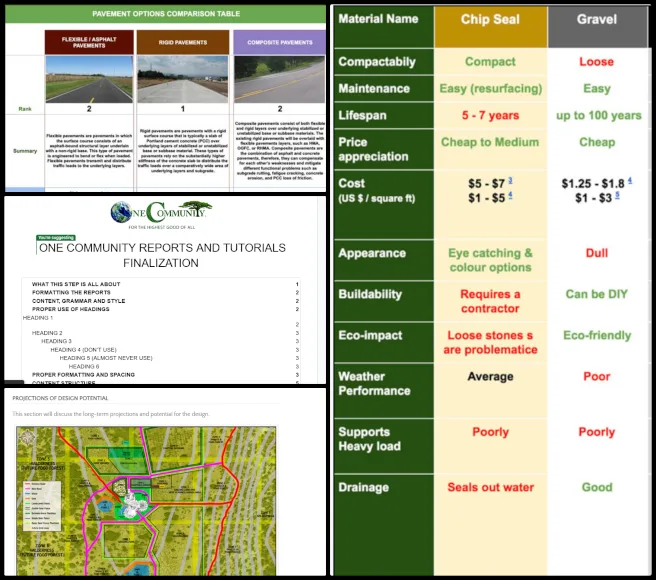
Sagar Chavan (Transportation Engineer) continued working on the Sustainable Roadways and Sustainable Parking Lot Designs project and related AutoCAD plans. He reviewed the page content and finalization requirements, updated cost analysis details, improved implementation information, and worked on new tutorial sections covering due diligence for land purchasing and transportation infrastructure. He also developed guidance for adapting the existing roadway and parking lot plans to a new location, including the flow chart and step-by-step adaptation process. In addition, Sagar reviewed and worked on the related report content to support the integration of sustainable roadway, parking lot, and stormwater management concepts. His work supports advancing sustainable community creation by strengthening practical, open source guidance for sustainable transportation and integrated water management systems. See below for some of the pictures related to this work.
DUPLICABLE CITY CENTER PROGRESS
One Community is advancing sustainable community creation through a Duplicable and Sustainable City Center that is LEED Platinum certified/Sustainable, can feed 200 people at a time, provide laundry for over 300 people, is beautiful, spacious, and saves resources, money, and space:
- Learn about this building, its function and sustainable community creation: Duplicable City Center Open Source Hub
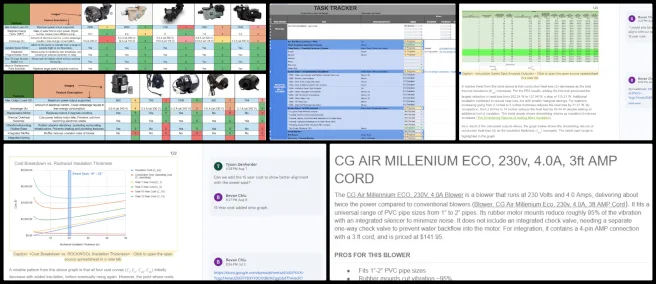
This week, Bevan Chiu (Mechanical Engineer) continued his work finishing the City Center Eco-spa Designs. He updated the insulation sweet spot analysis based on team feedback and worked on comparing blower equipment options based on sustainability factors. For the insulation sweet spot analysis, he added the total 15-year cost to the table and graph to better align the cost data with the identified sweet spot. For the blower equipment comparison, he created a matrix to assess five different blower options based on factors including output load, replaceable motor availability, and thermal overheat switch availability. He also prepared a write-up for the blower comparison that included a product description, rankings, benefits, and drawbacks for each option. In addition, Bevan updated the spa test tracker to reflect the remaining tasks for the City Center Spa project. This open source Duplicable City Center project focuses on advancing sustainable community creation. For more details, refer to the image below.
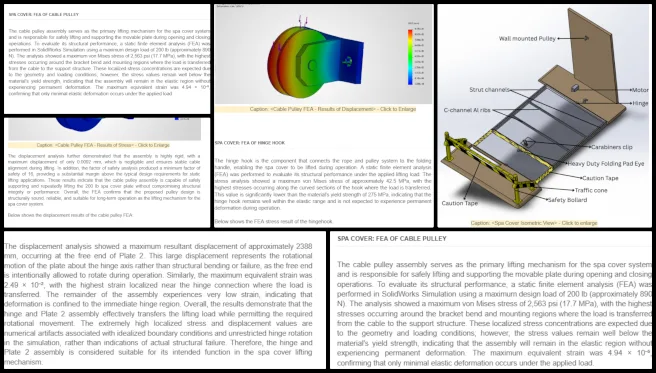
Shivarama Krishna Revanuru (Mechanical Engineer) continued working on the Duplicable City Center design. He worked on the project report by making changes to the images and updating the FEA section. He added the material strength values to the FEA report to show that the FEA results meet the required test criteria. Shivarama also researched the feasibility of using a thermal blanket for the project and evaluated whether it would be suitable for the current design and requirements. This open source Duplicable City Center project demonstrates advancing sustainable community creation. The images below illustrate aspects of this work.
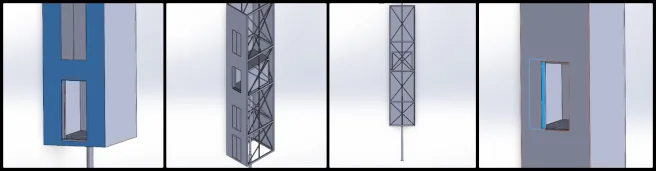
Nidish Reddy Koppula (Mechanical Engineer) continued working on the Duplicable City Center design. He finished modeling the complete elevator subsystem assemblies for the open source elevator design. He completed the remaining subsystem modeling work and reviewed the overall assembly to support the final presentation of the elevator model. He also worked on rendering the completed elevator assembly to show the shaft, cab, hydraulic components, door systems, enclosures, and related structural elements in the final visual model. In addition, Nidish started working on the project documentation to record the completed modeling work, assembly details, design assumptions, and analysis-related information for the elevator system. This open source Duplicable City Center project presents advancing sustainable community creation. See the collage below for a snapshot of his work this week.
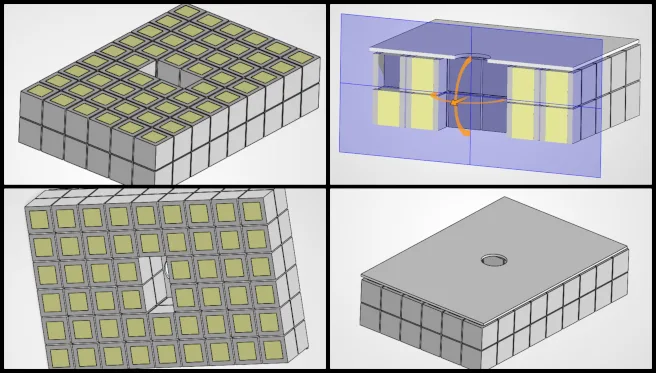
Sri Vidya Sai Thumu (Mechanical Design Engineer) continued developing the City Center Eco-spa Designs. She researched and developed an alternative spa flooring concept using cinder blocks with Rockwool insulation inside the block cavities for structural support and thermal performance. She compared the concept with the existing aluminum frame approach based on load distribution, insulation, constructability, material requirements, and DIY assembly. Sri Vidya also developed the Concept 2 CAD layout using two courses of cinder blocks with a staggered arrangement and maintained clearance for the 8-inch drain opening. She also refined the flooring support configuration and documented the design approach for further evaluation and review. This open source Duplicable City Center project focused on advancing sustainable community creation. For more details, refer to the image below.
HIGHEST GOOD FOOD PROGRESS
One Community is advancing sustainable community creation through Highest Good food that is more diverse, more nutritious, locally grown and sustainable, and part of our open source botanical garden model to support and share bio-diversity:
- Learn about the structures and sustainable community creation: Hoop House Hub | Aquapini & Walipini Open Source Hub
- See what we’ll be growing: Gardens & Hoop Houses | Large-scale Structures | Food Forest | TA
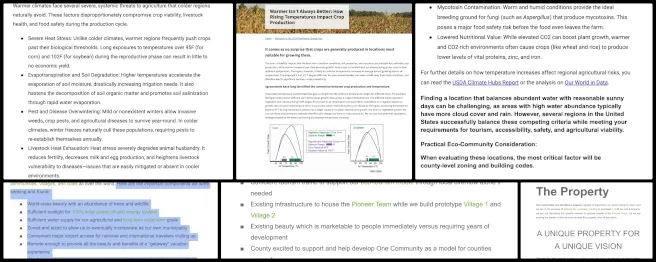
This week, the core team continued working on the Master Tools, Equipment, and Materials/Supplies List for the Large-scale Garden, Botanical Garden, and other Highest Good Food components, researching wood preservation methods for fence projects, including Amish preservation techniques and conflicting historical sources on the process. The team found that terms like pitch, resin, rosin, and pine tar are often used interchangeably, with much of the confusion tracing back to the differing geographical origins of each component. The core team also continued aligning critical property-related components with general geographical locations that meet the site requirements outlined on the OC website. Their efforts contribute to One Community’s mission of advancing sustainable community creation through open-source collaboration, ecologically responsible innovation, and a focus on long-term global development. The collage below portrays the team’s efforts and achievements for the week.
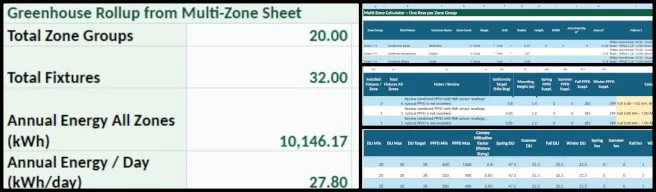
Jay Nair (BIM Designer) continued working on the Aquapini and Walipini Planting and Harvesting documents. He worked on refining the greenhouse lighting energy calculator by addressing outdated fixture information within the zone calculations. He identified and corrected fixture names to align them with the current fixture selections and reviewed zones with missing mounting height data. These updates focused on improving the consistency of fixture information across the calculator and reducing data issues that could affect lighting energy calculations and future use of the spreadsheet. These updates improve the stability and adaptability of shared systems, supporting the broader goal of advancing sustainable community creation. See the collage below portraying the work done this week.
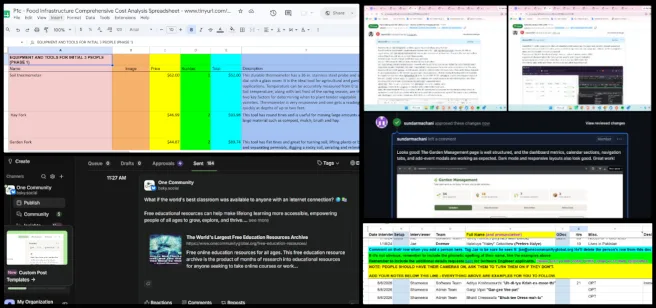
Shameera Musthafa (Data Analyst) continued working on the Highest Good Food initiative, supported OC Administration and the PR Review Team by coordinating PR review workflows, reviewing the work of both the Admin and PR teams, and providing feedback to ensure accuracy, clarity, and consistency across all deliverables. She organized and categorized project images, created visual collages, and finalized blog-related content as part of PR review coordination, ensuring that both visual and written materials were properly curated and documented. Additionally, Shameera contributed to the Highest Good Food report pages and related visualizations. She also managed the One Community Bluesky social media account, creating and publishing posts to help share project updates and increase outreach and engagement. In addition, she supported the hiring process by interviewing candidates and evaluating candidates. This work plays a key role in advancing sustainable community creation. See below for images showcasing her work.
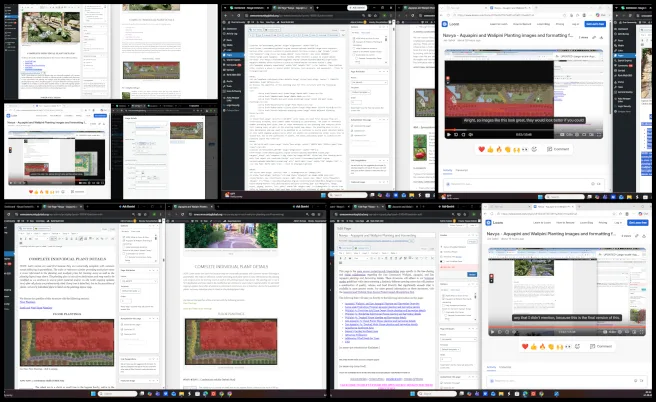
Navya Eeshani Boyapati (Web Designer) continued working on the Aquapini/Walipini. She completed Task 3: 280 Check Aquapini and Walipini Planting Page Content, SEO Optimize All Images by reviewing and updating the Aquapini and Walipini planting pages, correcting spacing and formatting issues, checking for errors, adding missing content from the provided documentation, maintaining consistency with the other planting pages, and optimizing applicable images with SEO-friendly alt text and keywords. Navya also completed Task 872: Open Source DIY Earth Dam Design & Construction Page Creation by creating and formatting the webpage content, organizing the page structure, applying the required HTML formatting, and preparing the page according to the project’s content and design requirements. She then started Task 2: Hydro Energy Page Updates by reviewing the existing hydro energy page and beginning the required content, formatting, and image updates. See the collage below for a snapshot of this week’s work towards advancing sustainable community creation.
HIGHEST GOOD ENERGY PROGRESS
One Community is advancing sustainable community creation through Highest Good energy that is more sustainable, resilient, supports self-sufficiency and includes solar, wind, hydro, and more:
- Learn about the open source sustainable-energy foundations and sustainable community creation: Solar, Hydro, and Wind
- Explore our research into the most sustainable products and companies for saving water and energy: Insulation, Eco-laundry, Lightbulbs and Light Bulb Companies, Doors and Door Companies, Windows and Window Companies, Toilets, Faucets and Faucet Accessories, Urinals, and more.
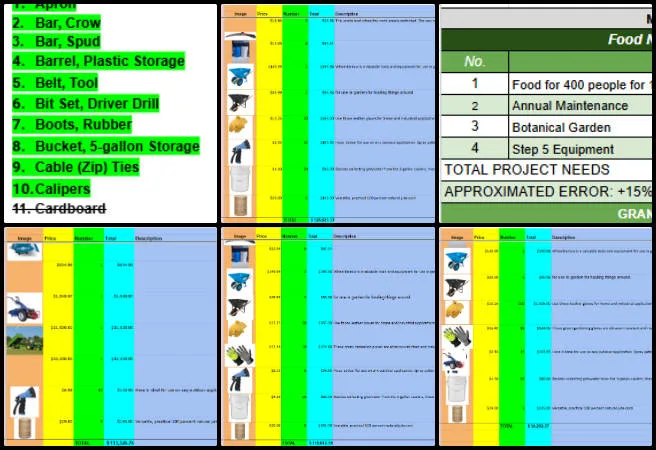
This week, the core team continued contributing to the Highest Good Energy initiative, part of One Community’s work advancing sustainable community creation. They reviewed the Highest Good Energy page again and confirmed that the page was in good condition. The team also completed cost analysis spreadsheets for the Highest Good Food infrastructure for steps 3, 4, and 5. The cost analysis included individual pages for the Tropical Atrium, walipinis, aquapinis, and botanical garden. They also worked on their bio page for the Pioneer Team page. See the collage below for a snapshot of their work this week.
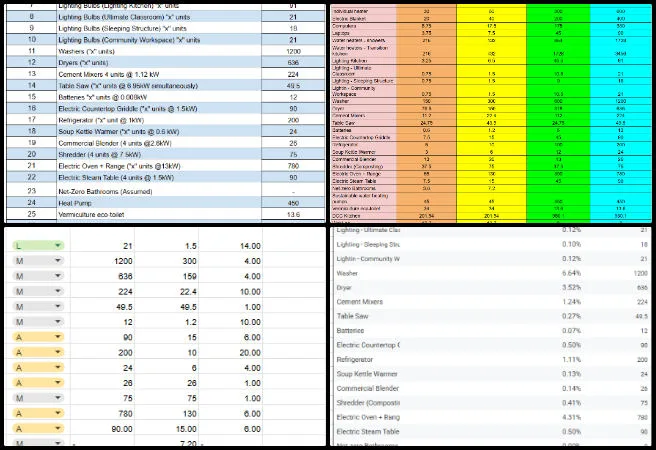
Rohan Pariakar (Operations and Supply Chain Analyst) continued working for the Highest Good Energy initiative, part of One Community’s broader work advancing sustainable community creation, completing the Phase 5 (100-200 people) energy-demand analysis by extending the phase-wise methodology used for earlier population ranges. He incorporated the additional equipment introduced at this stage, including Manufacturing & Workshop Equipment, Advanced Infrastructure, Ultimate Classroom, Straw Bale Village, and DCC Kitchen loads, calculating equipment-level energy requirements in kWh/day and consolidating results into the major categories of Heating, Computers, Appliances, Lighting, and Machines.
Rohan also updated the Phase 5 equipment and energy tables, calculated each component’s percentage contribution to total demand, and generated a waterfall visualization showing the cumulative contribution of individual loads. The resulting Phase 5 demand was calculated at approximately 18,078 kWh/day, with a 15% approximate-error allowance bringing the planning requirement to approximately 20,790 kWh/day. He updated the Phase 5 summary table so results can carry forward into the broader generator, battery, and solar sizing analysis, contributing to One Community’s mission of advancing sustainable community creation. See the collage below for highlights of his work.
HIGHEST GOOD EDUCATION PROGRESS
One Community is advancing sustainable community creation through Highest Good education that is for all ages, applicable in any environment, adaptable to individual needs, far exceeds traditional education standards, and more fun for both the teachers and the students. This component of One Community is about 95% complete with only the Open Source School Licensing and Ultimate Classroom construction and assembly details remaining to be finished.
With over 8 years of work invested in the process, the sections below are all complete until we move onto the property and continue the development and open sourcing process with teachers and students – a development process that is built directly into the structure of the education program and everything else we’re creating too:
- Program Overview: Education Open Source Hub
- How the components work together in designing human orchestrated eco-abundance and sustainable community creation: How to use the Education for Life Program
- Lesson Plans for Life – Lesson Plans How-to
- Foundations of Outstanding Leaders, Teachers, and Communicators
- Curriculum for Life
- Teaching Strategies for Life
- Learning Tools and Toys for Life
- Evaluation and Evolution
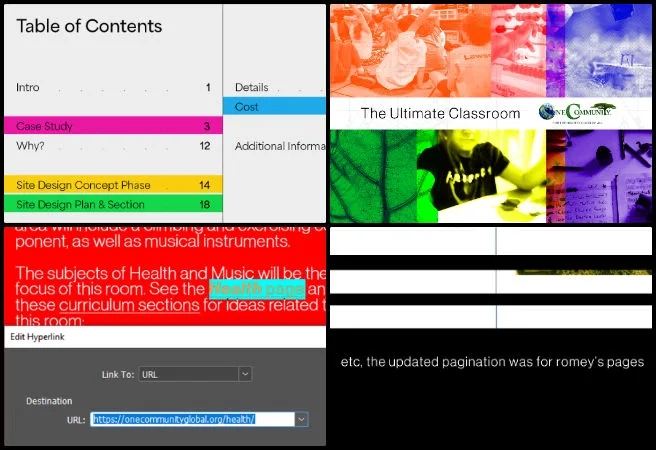
This week, Isaiah “Isa” Hernandez (Graphic Designer) continued working on the spreads for The Ultimate Classroom, and updated the pagination, added a table of contents, began hyperlinking text throughout the book, and continued exploring cover design options. For the cover, he developed a version that is a significant departure from the original concept. While it does not follow the initial direction, it serves as an alternative option and placeholder for further development. See the collage below for his work this week, advancing sustainable community creation.
HIGHEST GOOD SOCIETY PROGRESS
One Community is advancing sustainable community creation through a Highest Good society approach to living that is founded on fulfilled living, the study of meeting human needs, Community, and making a difference in the world:
- Read the Highest Good society overview: Highest Good Society
- Learn about the model for fulfilled living, sharing, and sustainable community creation: A Day in the Life
- Learn about the 4 economic models: RBE | For-profit | Non-profit | Entrepreneurship
- Learn about our open source community collaboration and management software: The Highest Good Network
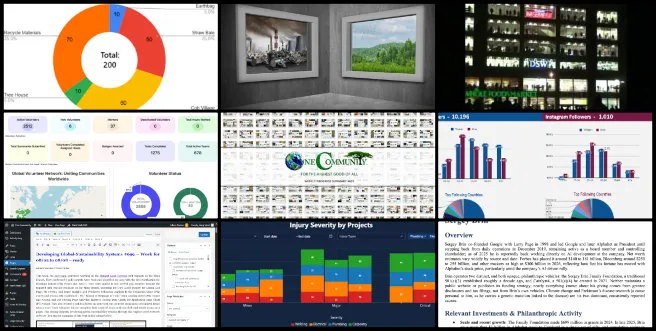
This week, the core team completed over 31 hours managing volunteer work reviews, handling emails, overseeing social media accounts, supporting web development, and identifying and integrating bug fixes for the Highest Good Network. They also interviewed and onboarded new volunteer team members. Additionally, they produced and integrated the video above about advancing sustainable community creation and how advancing sustainable community creation serves as a foundational element of One Community’s broader mission. The following images showcase their work.
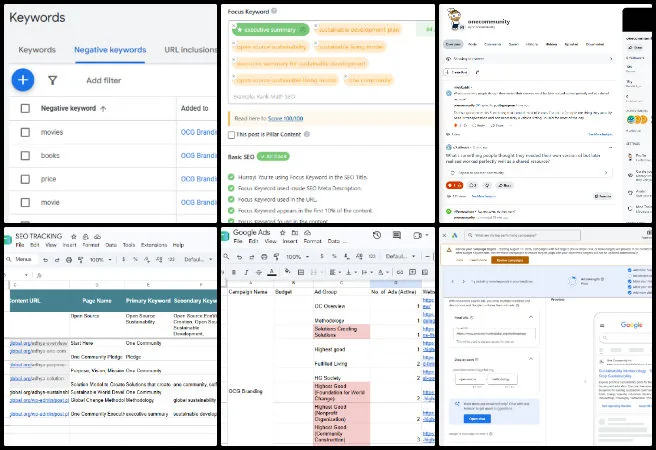
Adhya Rastogi (Business Analyst) continued creating and organizing a centralized Google Ads tracking spreadsheet to document active campaigns, budgets, ad groups, covered webpages, optimization history, and monthly performance data. She optimized Google Ads for the Methodology and For the Highest Good of All pages by refining ad copy, reviewing keyword targeting, adjusting negative keywords, and evaluating campaign recommendations and settings. Adhya also completed SEO optimization for the Executive Summary page by improving keyword placement, content structure, headings, metadata, readability, and internal linking while recording baseline analytics and updating the SEO tracking records. In addition, she continued Reddit engagement through the One Community and PostByPurpose accounts by posting and commenting in relevant communities, monitoring responses, and maintaining organic participation. Adhya also submitted the weekly summary and organized the required screenshots and supporting images for documentation. See the collage below for highlights of her work towards advancing sustainable community creation.
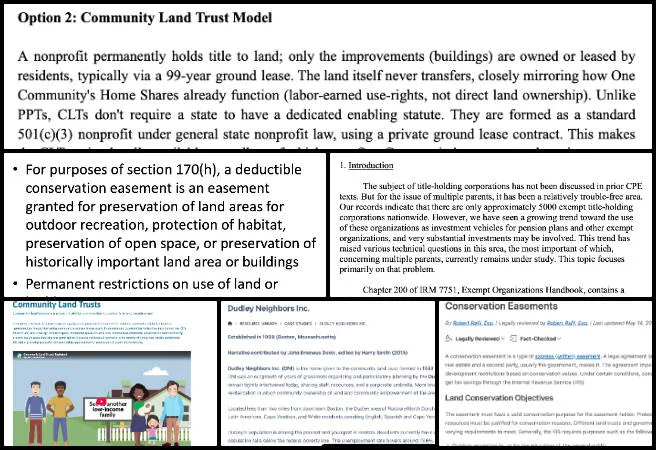
Anagha Sunil Bharadwaj (Legal Research and AI Policy Specialist) continued research on perpetual purpose trusts across US jurisdictions and their practical implications, and compiled the findings into a comparison chart covering Delaware, New Hampshire, Wyoming, Oregon, and Maine, along with links to the official statutes for each state. She researched additional legal structures applicable to the property preservation question, including conservation easements, title holding corporations, and the community land trust model, in keeping with One Community’s mission for advancing sustainable community creation. Anagha examined the legal basis and requirements for 501(c)(2) title holding corporations and reviewed how they function as administrative subsidiaries that hold property title separately from an operating nonprofit.
Anagha researched the community land trust model in depth, including its federal and state legal basis, and reviewed the Dudley Street Neighborhood Initiative as a case study of a community land trust that acquired land and built housing while preventing resident displacement. She began mapping out how the overall legal structure should be modeled to align with One Community’s specific goals and objectives. Anagha also researched conservation easements in relation to One Community’s property, noting that the property location has not yet been finalized, which means state specific easement laws cannot be applied at this stage. She determined that federal statutes governing conservation easements provide the more immediately applicable legal basis until the property’s jurisdiction is confirmed to further the One Community’s mission of advancing sustainable community creation. See the collage below to see her week’s work.
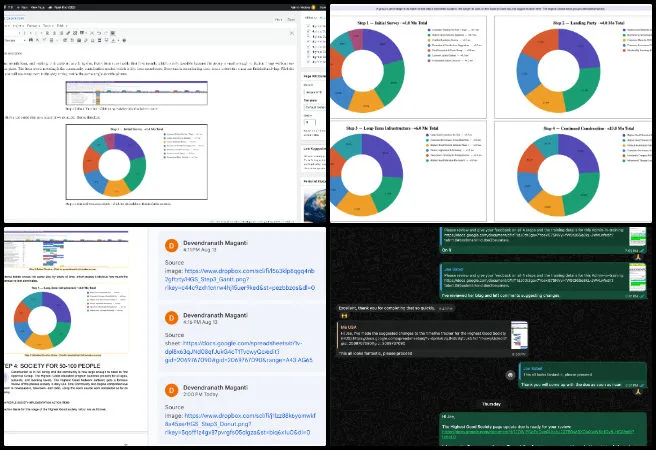
Devendranath Chowdary Maganti (Data Analyst) continued developing and organizing the Highest Good Economics timeline materials to support the presentation of the project data and visualizations on the web page. He worked on the Highest Good Society Rollout Timeline Data Analysis Dashboard and Visualizations by creating the Google Doc based on the work completed in the timeline tracker and updating the related web page with the new project content. Devendranath also worked on the Administration Team weekly blog, reviewed fellow team members’ blogs, and made updates based on feedback received on his own work. In addition, he reviewed training blogs submitted by fellow team members, provided feedback as part of the training process, and completed regular Administration Team duties. See the collage below for weekly highlights of his work, contributing to advancing sustainable community creation.
ADMINISTRATION TEAM
The Administration Team’s summary, which covers their work on the Highest Good Network, was managed by Devendranath Chowdary Maganti (Data Analyst) and includes Gargi Vipat (AI Engineer), Leo Lishin Shiu (Software Engineer), Prathik Raju (Data Analyst), Sachit Varma (Business Operations & Cost Analyst), Sai Sree Dongari (Data Analyst), Tanmay Nihal Harwani (Data Scientist), and Yeshwanth Nanjegowda (Full-Stack Software Engineer). The Administration Team supports the Highest Good Network, a tool designed to track and measure progress while creating systems that support advancing sustainable community creation. Through administrative support, documentation, testing, training, recruitment, analytics, and content management, the team helps advance this mission, aligning with One Community’s vision of building a replicable and sustainable future model.
This week, Gargi completed her One Community Admin training checklist, reviewed volunteer submissions, provided Google Doc feedback, prepared images and web content, and learned the Sunday review and publishing process. She incorporated feedback through multiple review rounds until her work passed final review, was promoted to Admin, and was assigned two teams while also joining the Training Team and Hiring Team. Leo reviewed and compiled the 17 LeDCC, 15 LeHUS, and 20 LeFOD weekly summaries, created blog collages, scheduled Instagram and Facebook posts through Meta Business Suite, completed the Instagram data pipeline and applied it to AWS, and maintained social media insights. These onboarding, content management, and social media activities played a key role in advancing sustainable community creation.
Prathik tested multiple sections of the Total Org Summary dashboard, identified data consistency and calculation issues, completed team time log reviews, provided feedback and warnings, and reviewed Community team time logs before reporting the results. He also prepared Mastodon posts, updated analytics, reviewed Gargi’s weekly summary as part of the Training Team, and reviewed Team Alpha and Team Binary Bridge submissions for completeness and formatting. Sachit refined funder profiles, corrected outdated information, expanded entries with new research, added and scored prospective funders, continued developing profiles for the top 20 potential funding partners, and removed redundant entries. These testing, administrative review, and funding research activities furthered the goal of advancing sustainable community creation.
Sai Sree organized review images, created visual collages, finalized PR Admin Team blog content, reviewed candidate profiles and interview questions, completed four interviews, and recorded feedback. She also performed frontend testing across multiple PRs, validated navigation, filters, forms, charts, maps, date controls, loading behavior, dark mode, and UI consistency, documented results, assigned PRs for testing, and reviewed Gargi’s training blog. Tanmay updated bio records, collected missing summaries and photographs, consolidated weekly blog content, completed SEO adjustments, posted on Threads, updated the Social Media Master Dashboard, maintained tracking records, reviewed new Admin screening work, provided feedback, checked title and description discrepancies, and tested merged PRs. These quality assurance, recruitment, content management, and administrative activities contributed to advancing sustainable community creation.
Yeshwanth created the Team Skye and DEV Dynasty summaries for Blog #699, prepared image collages, organized Dropbox images, and updated weekly blog content for August 2 through August 8. He reviewed Listing and Bidding Platform, Highest Good Education, and Social Architecture documentation, created action items, resolved comments, removed outdated tasks, closed completed items, assigned tasks, communicated with testers and team members, and reported issues. He also reviewed Gargi’s work and training materials, tested DEV environment functionality across dashboards, reporting, inventory, badges, and forms, verified changes, identified remaining issues, and provided testing evidence. These documentation, project tracking, and software testing activities aligned with the mission of advancing sustainable community creation. See the collage below for highlights of this week’s work.
HIGHEST GOOD NETWORK PROGRESS
 One Community is advancing sustainable community creation through open source Highest Good Network® software that is a web-based application for collaboration, time tracking, and objective data collection. The purpose of the Highest Good Network is to provide software for internal operations and external cooperation. It is being designed for global use in support of the different countries and communities replicating the One Community sustainable village models and related components.
- Learn about our open source community collaboration, management software and sustainable community creation: The Highest Good Network
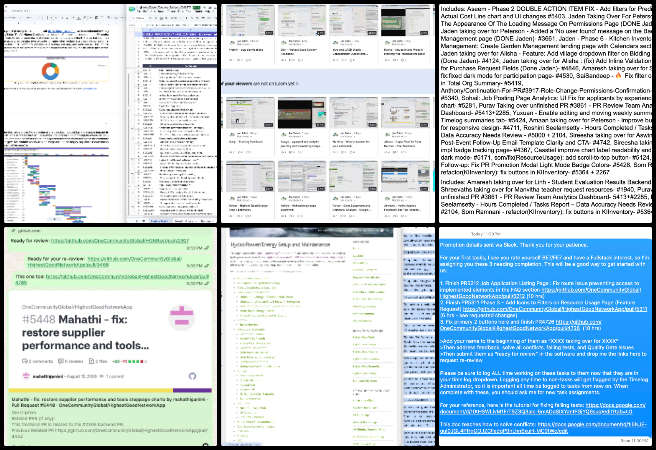
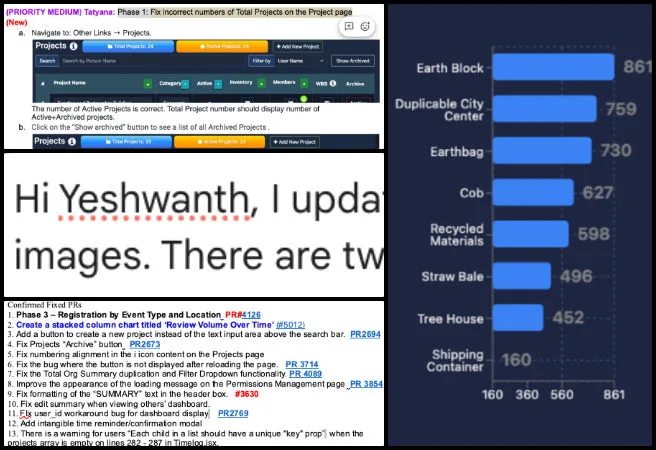
This week, the core team continued testing pull requests on the main branch for the Highest Good Network, a platform advancing sustainable community creation. They confirmed 16 PRs as fixed and identified 3 PRs that were not fixed. The team also checked 28 PRs mentioned in volunteer review emails to determine whether new action items should be created for unresolved issues. They created new tasks to fix two bugs on the Projects page, correct the Total Projects number on the Project page, add a way to view six-month and yearly anniversaries, fix memory leaks observed on the User Profile page, correct the layout of the pop-up window displayed when clicking the Reset Time button, add an “i” description for each item associated with tracking warnings, fix formatting issues on the Weekly Summaries submission page, and improve the User Management page search function to properly handle spaces. See the collage below to view the team’s work.
ALPHA SOFTWARE DEVELOPMENT TEAM
The Alpha Team’s summary, covering their work on the Highest Good Network, was managed by Lin Khant Htel (Frontend Software Developer) and Prathik Raju (Data Analyst) with a team consisting of Casstiel Pi (Software Engineer), Handika Harianto Ew Jong (Full Stack Developer), Maithili Kalkar (Software Engineer), Sai Sandeep (Software Engineer), Som Ramnani (Junior Software Engineer), and Yingshu Wang (Software Engineer), supporting One Community’s mission of cross-functional software development and system improvements. This work advances the team’s objectives, ensuring that all completed tasks directly contribute to sustainable community creation.
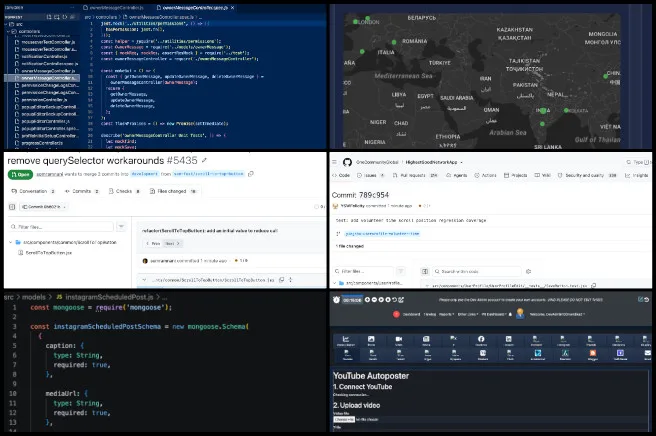
This week, Lin managed the team summary and checked Alpha team members’ weekly summaries, photos, and videos as part of team management duties. He reviewed PR #5319 by reviewing the code and running tests locally. Casstiel fixed Injury Severity Chart legend issues by maintaining consistent department colors and ordering across filters, resolving merge conflicts, correcting chart and dark mode styling, and updating the Cost Prediction Report branch with recent development changes, supporting sustainable community creation.
Handika updated PR #5405 by improving the People Report layout, empty states, project chart handling, CSS structure, and data display, worked on PR #2300 by adding YouTube video insertion and validation while investigating an upload authorization issue, and created the basic YouTube auto-poster interface in PR #5446, contributing to sustainable community creation. Maithili developed backend APIs for Instagram integration, continued frontend testing after an owner permission issue was resolved, and encountered another permission issue that affected further testing, supporting sustainable community creation.
Sai completed PR #2235 by implementing dedicated permissions for support endpoints, correcting JWT expiration handling and related issues, and completed PR #5438 by fixing dark mode styling for the interactive map, advancing sustainable community creation. Som worked on PR #5435 by converting scroll-to-top functionality into a reusable global component, removing duplicated and obsolete logic, adding support for different scrolling containers, accessibility, dark mode, mobile layouts, and related tests, and resolved a mobile date-picker styling conflict. He also resolved merge conflicts in PR #4585 while preserving comment voting and accessibility behavior, and in PR #5189 while maintaining event filtering, list-view headers, attendee information, dark mode support, and related tests, contributing to sustainable community creation.
Yingshu continued work on the Volunteer Time scrolling issue by reorganizing the SaveButton test suite, expanding coverage for button and confirmation modal behavior, adding a regression test to verify preservation of modal scroll position during saving, and confirming that all 14 related tests and ESLint checks passed, supporting sustainable community creation. See the collage below for highlights of this week’s work.
BINARY BRIGADE SOFTWARE DEVELOPMENT TEAM
The Team Binary Brigade’s summary, covering their work on the Highest Good Network, was managed by Roshini Seelamsetty (Software Engineer) and Prathik Raju (Data Analyst) with a team consisting of Amaan Syed (Volunteer Software Engineer), Mahitha Pasupuleti (Software Engineer), Manoj Puttaswamy (Software Engineer), and Sita Ram Prasad Martha (Software Engineer). Roshini coordinated the weekly summary workflow, ensuring all technical milestones align with the project’s goal to contribute to sustainable community creation.
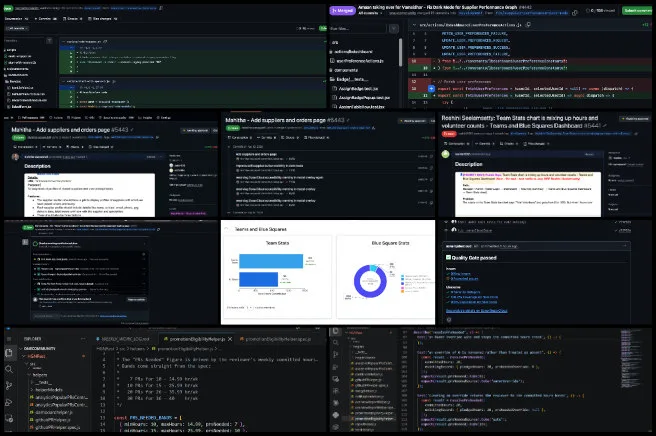
This week, Amaan worked on multiple pull requests by addressing reviewer feedback, resolving merge conflicts, updating dark mode styling, refining chart layouts, improving filtering and search functionality, updating permission handling, and validating functionality across light and dark modes. His work included updates to Supplier Performance, Injury Trend Chart, Resource Management Dashboard, User Management filtering, and inventory-related pages, supporting the goal of sustainable community creation.
Mahitha worked on the Garden Management feature across frontend and backend components by updating garden calendar events, seed inventory, and seed orders functionality. Her work included user interface updates for spacing, alignment, readability, event details, status options, popup cards, and color contrast, along with backend controller and API integration updates for garden calendar events and seed orders. She also updated validation for event types, statuses, dates, IDs, update fields, and database operations, addressed SonarCloud findings related to NoSQL injection, refactored controller functions, updated Jest test coverage for multiple validation and database scenarios, and addressed ESLint, SonarCloud, accessibility, formatting, and maintainability issues, contributing to sustainable community creation.
Manoj worked on backend and frontend pull requests by adding test coverage, resolving merge conflicts, updating dependency lockfiles, addressing deployment issues related to Node.js compatibility, resolving dependency conflicts, and verifying previously merged changes after conflict resolution, advancing sustainable community creation. Sita Ram worked on the backend portion of the Promotion Eligibility Dashboard by investigating the reported reviewer-loading issue, reviewing permissions data, comparing the specification with the existing implementation, updating PR review calculations to use committed-hours bands, adding logic to detect committed-hours changes, creating an Owner-only endpoint for manual review-count overrides, implementing helper-based calculation logic, writing and validating unit tests, reviewing requirements related to review history data, identifying data-mapping gaps between GitHub account IDs and usernames, and preparing documentation covering findings, API proposals, and open questions, supporting sustainable community creation.
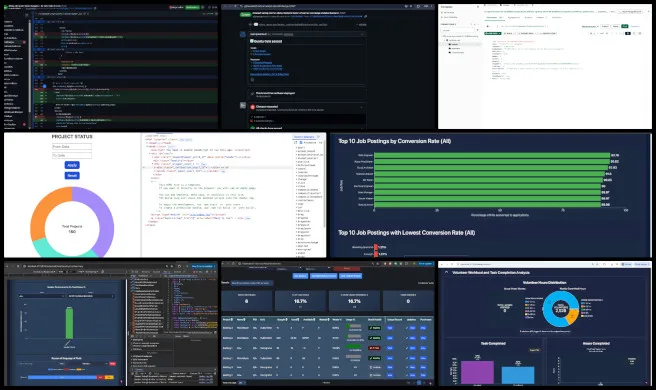
Roshini completed PR #5441 by updating the Team Stats chart x-axis label from “Total Volunteers” to “Total Hours Contributed” to align with the displayed data. She also continued work on follow-up fixes for PR #5373 by reviewing duplicate header rendering and Export PDF text visibility issues in the Total Org Summary dashboard, and began work on frontend and backend fixes related to PR #2217 by reviewing issues affecting Task Completed data population in the dashboard summary card and graph and investigating data retrieval, aggregation, and API integration behavior, contributing to sustainable community creation. The collage below offers a visual representation of the team’s work for the week.
DEV DYNASTY SOFTWARE DEVELOPMENT TEAM
The Dev Dynasty Team’s summary, covering their work on the Highest Good Network software, was managed by Yeshwanth Nanjegowda (Software Engineer) and Rithika Pai (Software Engineer). The team includes Akshay Viswanath (Software Engineer), Amaresh Chaudhary Nara (Software Engineer), Ansh Shah (Software Engineer), Mahathi Ganimisetti (Data Analyst), Shreevaths Karawal Satish Rao (Software Engineer), Sireesha Kunchala (Software Engineer), and Yuxuan Wang (Software Engineer). The Highest Good Network software supports sustainable community creation by providing tools to coordinate, track, and improve sustainable and low-waste operations across social architecture, construction, production, and maintenance systems.
This week, Rithika resumed work on PR #4587 and backend PR #1957 for the Material Cost Correlation Chart, rebasing the frontend branch across 330 development commits, resolving conflicts involving multiple dashboard charts, correcting stylesheet syntax issues, and reapplying dark-mode fixes for the date-range picker and Trend Summary table, contributing to One Community’s mission of advancing sustainable community creation.
Akshay completed dark-mode fixes across Reports, Projects, User Management, TSA Form, Announcements, the Education Portal, View Profile, and WBS, correcting visibility and contrast issues through scoped CSS Module styles. He updated tests, resolved Stylelint errors, verified 128 passing tests, fixed incorrect Skills Overview survey messaging in PR #5440 by loading survey data directly, corrected overlapping donut-chart labels in PR #5445, and investigated the Global Volunteer Map regression, tracing the missing markers to a status filter introduced through overwritten merge-conflict changes, furthering One Community’s mission of sustainable community creation.
Amaresh worked across eight frontend and backend pull requests, resolving SonarCloud issues, dark-mode bugs, merge conflicts, route-registration problems, validation defects, tooltip behavior, and test-coverage requirements. He fixed issues involving Collaboration controls, modal and leaderboard styling, tab resets, the scroll-to-top button, Marks field validation, dark-mode CSS leakage, and a D3 and React tooltip race condition while removing dead code reintroduced during earlier merges and adding backend test coverage supporting sustainable community creation.
Ansh configured the HGNRest backend testing environment with the development MongoDB database and a restricted badge-validation account, tested badge assignment and replacement behavior across multiple contribution thresholds and categories, confirmed duplicate-prevention and cross-category isolation, extended Housing testing through 6,500 hours, tested Stewardship milestones, and identified that the Stewardship badge failed to upgrade from 5,000 to 10,000 hours contributing to One Community’s goal of advancing sustainable community creation.
Mahathi continued improving Job Posting Analytics by refining Date Range and Show % controls, dark-mode styling, chart hover behavior, bar presentation, and prop validation. She also investigated the Supplier Performance Graph, determined that recent-date filters lacked current development data, added test data to validate the filters, updated the Project dropdown to display project names instead of database IDs, restored the Supplier Performance and Tools Stoppage charts, and reorganized the Tools and Equipment Tracking section into a responsive 2×2 layout. These updates help in advancing sustainable community creation across teams and disciplines.
Shreevaths addressed UI and code-quality issues by correcting the Reset button color, SonarQube button-type warnings, tooltip positioning, legend overlap, and Stylelint color-notation errors. He reverted unintended workflow changes, rewrote the projectStatus service and controller files, resolved SonarQube findings in the backend service, and added frontend and backend tests for the Project Status feature, furthering One Community’s mission of advancing sustainable community creation.
Sireesha resolved SonarCloud and dark-mode issues for PR #4736, updated KPI tiles to stack vertically on mobile screens, resolved branch conflicts for PR #4489, and added a mobile override that displays a single-month Ant Design RangePicker view on smaller screens. This week’s work continues advancing sustainable community creation with focused and iterative enhancements.
Yuxuan updated the Total Org Summary volunteer-hours reporting logic to separate actual logged hours from weekly committed hours while maintaining consistent selected date ranges, added separate backend data for both distributions, implemented side-by-side donut charts on the frontend, improved responsive chart layout, corrected custom date-selector and PDF display issues in dark mode, updated tests, synchronized frontend and backend branches with development, resolved conflicts, and addressed a CI test issue related to Recharts rendering in JSDOM. See the collage below for highlights of this week’s work and how it contributes to One Community’s mission of sustainable community creation.
SKYE SOFTWARE DEVELOPMENT TEAM
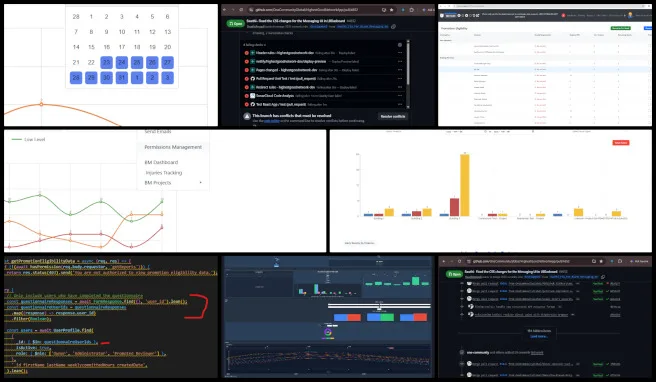
Team Skye’s summary this week, covering their work on the Highest Good Network, was managed by Yeshwanth Nanjegowda (Software Engineer) and Anthony Weathers (Software Engineer), and includes Jaden Wong (Software Engineer), Ken Zou (Software Engineer), Purav Patel (Software Engineer), and Swathi Angadi (Software Engineer). The Highest Good Network software contributes to sustainable community creation by helping organize and monitor resource-efficient processes across community planning, construction, production, maintenance, and other long-term operational systems.
This week, Anthony continued work on the role-change logout notification hotfix by adjusting the permission-change header close button to match the blue header positioning, updating the role-change modal so it does not appear when permission checks are unnecessary, and verifying that changes can still be saved correctly in those cases. He also finalized merge work while retaining required code, created an initial test file to address Sonar coverage requirements, and met with Ken to review his new software engineering responsibilities and available support, contributing to One Community’s mission of sustainable community creation.
Jaden focused on completing Phase 2 of the Total Construction Summary dark-mode optimization by auditing modified CSS Modules for WCAG 2.1 AA compliance, correcting color combinations that failed accessibility requirements, and updating disabled-option colors, information buttons, titles, primary buttons, and error messages. He also resolved 25 SonarCloud findings across JSX and CSS Module files by removing unused variables, adding explicit button types, replacing a mutating sorting method with a non-mutating alternative, using stable keys, reducing ToolStatusDonutChart cognitive complexity below the required threshold, and simplifying nested ternary expressions. These efforts support advancing sustainable community creation by enhancing clarity and accessibility.
Ken reviewed pull requests covering email functionality, Wishlist features, job-posting filters, dark mode, lost-time tracking, injury-severity charts, Support Team functionality, job-application validation, and Project Status charts. He verified working functionality and identified issues involving dark-mode contrast, responsive layouts, chart legends, missing page links, and mobile hover behavior. He also fixed the Promotion Eligibility table so active users who had not submitted the HGN questionnaire were excluded, verified behavior before and after questionnaire submission, confirmed repeated submissions did not create duplicate entries, and submitted the changes for review, furthering One Community’s mission of sustainable community creation.
Purav took over the Injury Trend Chart feature from older frontend and backend pull requests by creating fresh branches from the current development code and opening new paired takeover pull requests. He completed the frontend chart integration and backend injury-trend and injury-creation endpoints, addressed project-filtering and branch-cleanup feedback, updated the Injuries Tracking interface with the required title, legend, Project and Dates filters, month and year dropdowns, and responsive behavior, restricted navigation to BM Dashboard routes while preserving the existing path, adjusted demo data for project-specific and combined trends, corrected SonarQube reliability issues and quality-gate failures, and updated the pull request documentation. This work helps in advancing sustainable community creation through open-source sharing and transparency.
Swathi worked on merge conflicts related to the Edit to Reorder functionality and determined after merging the updated code that the functionality was no longer required, raising the issue in both the pull request and task. She also began resolving merge conflicts for the Messaging UI page after multiple merges changed the base branch and page structure, created a fresh branch from development, and started restoring and aligning the Messaging UI with the current codebase, contributing to One Community’s mission of sustainable community creation. See the collage below for examples of the team’s work.
SOFTWARE PR REVIEW TEAM A-N
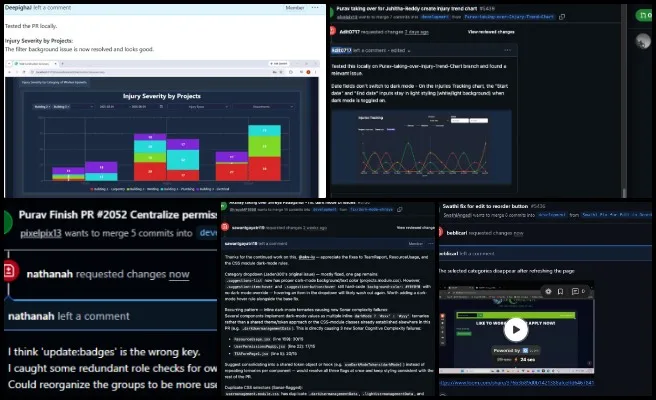
The PR Review Team’s summary for members with names starting with A–N was managed by Sai Sree Dongari (Data Analyst). The Highest Good Network is a foundation for measuring our results in advancing sustainable community creation. This week’s active members of this team were Aditya Krishnamurthi (Software Engineer), Carl Bebli (Software Developer), Deepigha Japamony (Software Engineer), Gayatri Sawant (Software Engineer), and Nathan Hoffman (Software Engineer). They reviewed all Highest Good Network PRs shared in this week’s update. Learn more about how the Highest Good Network open source hub measures progress toward advancing sustainable community creation. The collage below shows a compilation of this team’s work.
SOFTWARE PR REVIEW TEAM O-Z
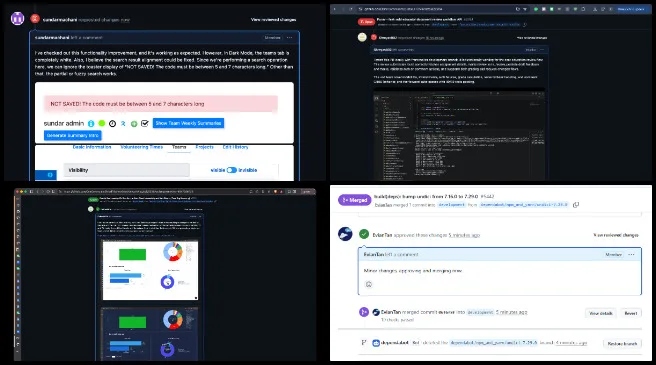
The PR Review Team’s summary for members with names starting with O–Z was managed by Shameera Musthafa (Data Analyst). The Highest Good Network is a foundation for measuring our results in sustainable community creation. This week’s active members of this team were Ruthwik Hosadurga Madhusudhana (Software Engineer), Shreyas Battula (Software Engineer), Sundar Machani (Software Engineer), and Yiyun Tan (Software Engineer). They reviewed all the Highest Good Network PRs (Pull Requests) shared in this week’s update. Learn more about how the Highest Good Network open-source hub measures progress towards our goal of sustainable community creation. The collage below shows a compilation of the work from this team.
AND WE PRODUCED THIS WEEKLY UPDATES BLOG – CLICK HERE TO SUBSCRIBE
FOLLOW ONE COMMUNITY’S PROGRESS (click icons for our pages)
INVESTOR PAGES
GET INVOLVED
DONATE | WAYS ANYONE CAN HELP | MEMBERSHIP
CLICK HERE FOR ALL PAST UPDATES