One Community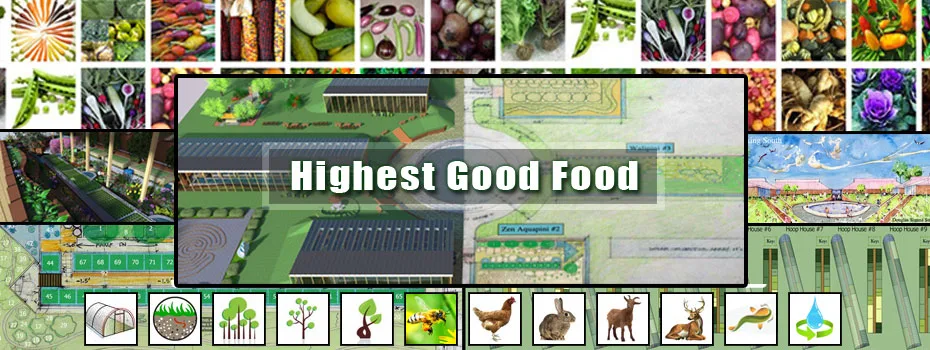
Highest Good Food Infrastructure
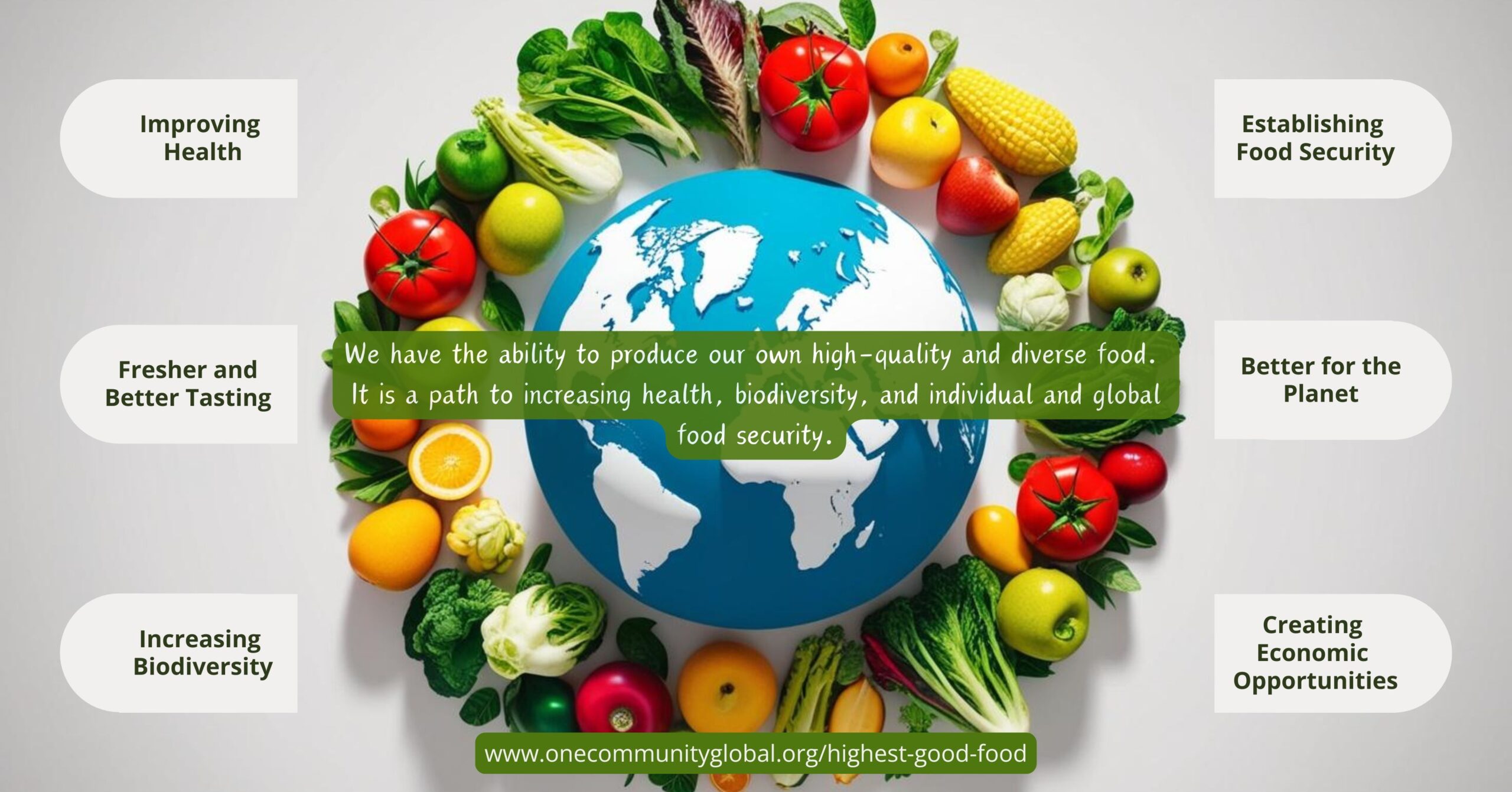
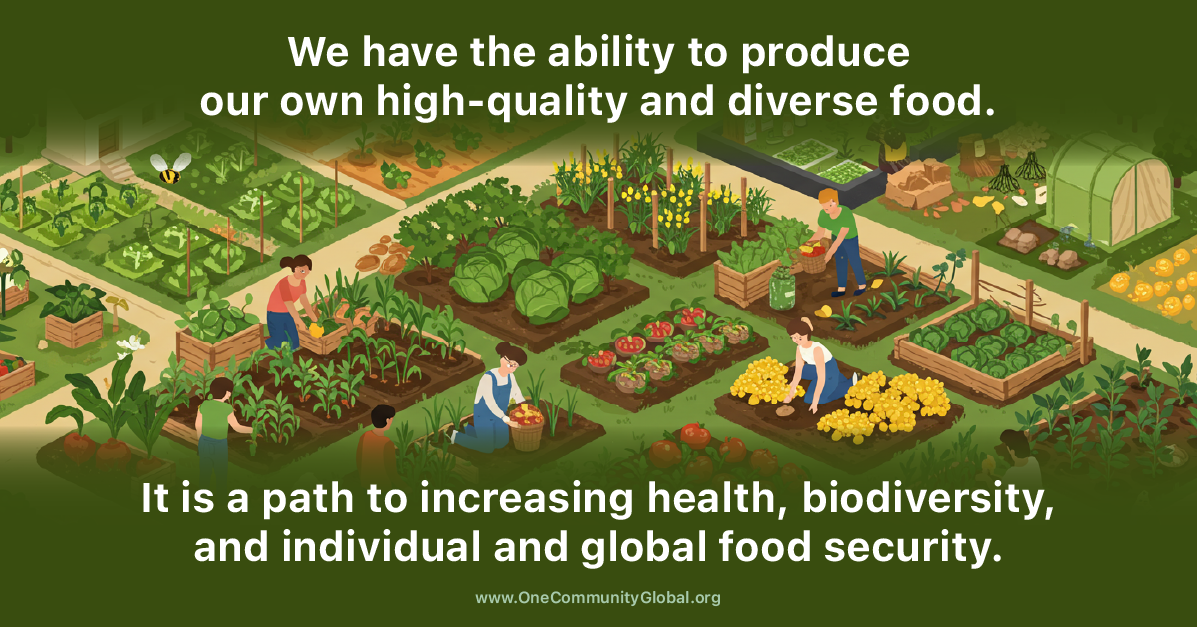
People producing their own high-quality and diverse food is a path to increasing health, biodiversity, and individual and global food security. As part of One Community’s self-replicating and self-sufficient teacher/demonstration communities, villages, and cities and open source botanical garden models, we also see this as a solution to world hunger. This page is the open source portal to all the components necessary to create this. It contains the following sections related to the Highest Good food® Infrastructure:
- Related Pages
- What is the Highest Good Food
- Why Highest Good Food
- Ways to Contribute
- The Highest Good Food Open Source Portal (collaborative resource and information hub)
- Food-Sustainability Rollout Details
- Resources
- Summary
- FAQ
Here’s our research on beneficial applications outside of One Community:
- What is Integrating Highest Good Food Into Small-Scale Organizations
- Why Integrate Highest Good Food Into Small-Scale Organizations
- Examples of Food Programs in Small-Scale Organizations
- Initial Implementation into Small-Scale Organizations
- How to Implement Highest Good Food into Small-Scale Organizations
- Small-Scale Highest Good Food Cost Analysis
- Open Source Content to Be Added Later
- Resources
- Implementation-Alternatives Summary
- Consultants
NOTE: THIS PAGE IS NOT CONSIDERED BY US TO BE A COMPLETE AND USABLE TUTORIAL UNTIL
WE FINISH OUR OWN CONSTRUCTION OF THIS COMPONENT, CONFIRM ALL THE DETAILS, AND ADD
TO THIS PAGE ALL THE RELATED VIDEOS, EXPERIENCE, AND OTHER UPDATES FROM THAT BUILD.
IN THE MEANTIME, YOU CAN HELP US COMPLETE IT ALL SOONER WITH THE FOLLOWING OPTIONS:
INPUT & FEEDBACK | JOIN OUR TEAM | HELP US BUY THE PROPERTY
HIGHEST GOOD FOOD® SEARCH ENGINE
WHAT IS HIGHEST GOOD FOOD®
 We consider Highest Good food to be maximally nutritious, maximally bio-diverse, fresh, duplicable, space and resource efficient, ecologically and individually healthy food that is far superior to anything found in a typical grocery store. We are approaching this so it caters to vegans, vegetarians, and omnivores. We are also integrating it with One Community’s open source and earth-regenerative botanical garden model. This will provide a foundation for those interested in joining and helping build a global cooperative of people specifically studying, preserving, sharing, and evolving plant species for The Highest Good of All.
Some of the key features and intentions of the One Community Phase I food infrastructure include:
- Large-scale garden to feed 100+
- Large-scale soil amendment strategy
- Extensive hoop house infrastructure
- Developing 100s of food forest acres
- Humane raising of rabbits, chickens, and goats
- Complete integration of all food with the open source botanical garden model
- Comprehensive stewardship of wildlife and maintenance of an apiary/bee colony
Some of the key features and intentions of the One Community Phase II food infrastructure include:
- Artistic designs
- ADA Accessibility
- Multi-functional use
- Inclusion of aquaculture
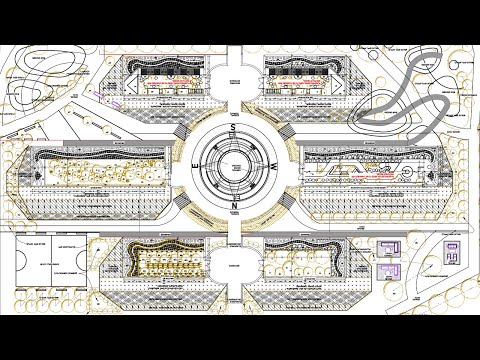
- Central amphitheater space
- Water collection off of all structures
- Seven different internal growing environments: LSAQ | W1 | W2 | W3 | Z1 | Z2 | TA
Click to Enlarge
CLICK THESE FOR COMPLETE & RELEVANT DETAILS

Large-scale Gardening to Feed 100+ People within 1 Year




WHY HIGHEST GOOD FOOD®
One Community’s Highest Good food designs demonstrate what truly ethical and carefully planned land stewardship is capable of. This is foundational to our strategy for global change methodology and an evolution of sustainability that integrates this food component with the 7 sustainable village models and open source Duplicable City Center. The ultimate result of this will be holistic living models demonstrating sustainable production of food with unparalleled nutrition and diversity. It will provide enough volume and variety to feed all of One Community and our visitors. Additional benefits and reasons we have for doing this are:
- Educating people
- Saving people money
- Conscious stewardship
- Improving people’s health
- Improving global biodiversity
- Providing a better eating experience
- Providing economic opportunity through sharing new foods
- Providing more free time when maintained collaboratively
- Eliminating the need for pesticides, fungicides, and herbicides
- Combining with One Community’s self-sufficient and self-replicating teacher/demonstration community, village, and city model to increase global food security and address global hunger
Highest Good Food – Click To Enlarge
WAYS TO CONTRIBUTE TO EVOLVING THIS SUSTAINABILITY COMPONENT WITH US
SUGGESTIONS | CONSULTING | MEMBERSHIP | OTHER OPTIONS
HIGHEST GOOD FOOD® OPEN SOURCE PORTAL

Highest Good food is an approach to global transformation through open source and free-sharing how to grow food that is maximally nutritious, maximally bio-diverse, fresh, space and resource efficient, ecologically and individually healthy, and far beyond anything found in a typical grocery store. The following sections will evolve and expand indefinitely with open source content that covers all aspects needed for duplicating of One Community’s food infrastructure. This can be done in part or as a whole and includes the following areas and open source resources to facilitate the process:





ADDITIONAL HIGHEST GOOD FOOD DETAILS

Click Image to Visit the Aquapini and Walipini Planting and Harvesting Details Page
 In accordance with our botanical garden model and our for The Highest Good of All philosophy we will demonstrate what truly ethical and carefully planned land stewardship is capable of. The ultimate result of this will be sustainable production of unparalleled nutrition and diversity capable of providing enough volume and variety to feed all of One Community and our visitors. Even with traditional methods one person working full-time on food production can produce enough food to feed 30; with aquaponics that same person can produce enough food to feed 300.
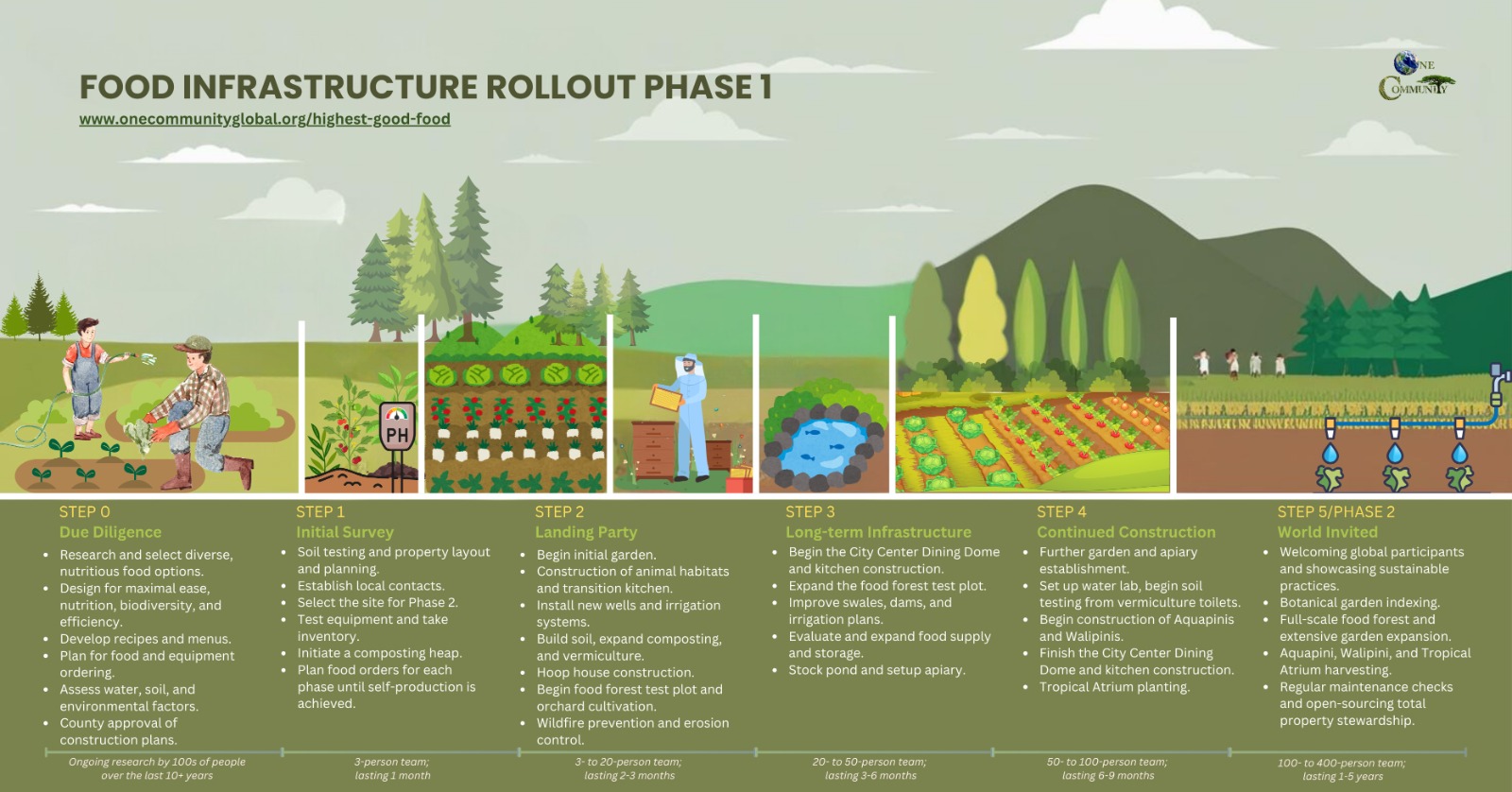
Our goal when arriving on the property is to immediately start large-scale gardening and building ultra-affordable, easy, and fast to construct hoop houses. We will build enough hoop houses and plant enough food to make ourselves about 70% food self-sufficient within the first year. Combining this with raising goats, chickens, and rabbits will provide sufficient food to feed 100+ people by the end of the second year. Until we are successfully producing enough food to sustain ourselves, we will be using our Transition Food Self-sufficiency Plan and buying it from local producers and suppliers with the goal of supporting sustainable and ethical practices.
Click to Enlarge
Phase IV food production will include building the walipini and aquaponics food farms that will provide even more food diversity and volume. Once we start building these structures, the first two are estimated to take no more than 6 months to build and test and another 2-3 months or so to be producing food. All six structures should be able to be completed within 1-2 years.
Click Here for the Rollout Details and Timelines for All Phases and Components
RESOURCES
- All About Drying Food
- 22 Foods You Can Store in Root Cellars
- Open Source Large-scale Soil Amendment Hub
- Open Source Food Forest Creation Hub
- How to Test Seeds for Viability Article
- Open Source Large-scale Gardening Hub
- Open Source Botanical Garden Creation Hub
- Open Source Hoop House Creation Hub
- Open Source Aquapini and Walipini Creation Hub
- Permies.com Seed and Plant Source Review Grid
- Excellent video: "Corner post installation and bracing"
- Article: "How To Choose A Greenhouse Material"
- 100 Nursery/Plant Providers Organized Into Categories
- Experimenting with dig and no-dig garden beds article
- Vegetable Gardening For Dummies Cheat Sheet
- Article: 66 Things you Can Grow at Home In Containers
- A Crop-by-Crop Guide to Growing Organic Vegetables and Fruits
- How Much Do I Need to Plant to Feed My Family Article
- 100+ Heirloom, Organic, and Other Seed Suppliers/Providers
- A Site with 30+ Free Permaculture (and related) Book Downloads
- Article: "Backyard Bounty: How to Eat the Wild Plants in Your Yard"
- Article: "Plant Nutrients: What They Need and When They Need It"
- Article: "The Scientifically-backed Benefits of Companion Planting"
- "Getting Rid of Garden Pests" - includes "Plants that Naturally Repel Pests"
- 1000's of Canning and Preserving Recipes Searchable by Ingredient
- Over 2000 Canning Recipes Complete with Ratings and User Reviews
- 32-page PDF: Selecting, Preparing, & Canning Fruit - Includes Recipes
- Sourcing and Saving Seeds | Seed Providers | Plant Material Providers
- Gardening: A Comprehensive Guide From Planning to Harvesting, and More
- Seed Starting-Date, Succession Planting, and Target Harvest Date Calculators
- "A Complete Guide: How To Grow Strawberries and 10 Best Strawberry Recipes"
- Canning and Preserving by Category: Jams, Pickling, Fruit Butters, and Relishes
- All About Home Canning, Freezing, and Making Jams and Jellies (resource of resources)
- Paul Wheaton Podcast: "Urban Permaculture Realism" A lot here, click for summary
- A great overview video for how to create a climate battery for your greenhouse
- A short overview video about using compost to heat your greenhouse
- Article: "Grow an indoor herb garden: easily, sustainably and veganically"
- Free Online Course: Introduction to Permaculture | Course Book
- Paul Wheaton Podcasts with Joseph Lofthouse on Plant Breeding Part 1 | Part 2
- Have something you think should be added here? Click HERE to tell us about it
Here are some great videos showing both what is possible and why you might want to care:
SUMMARY
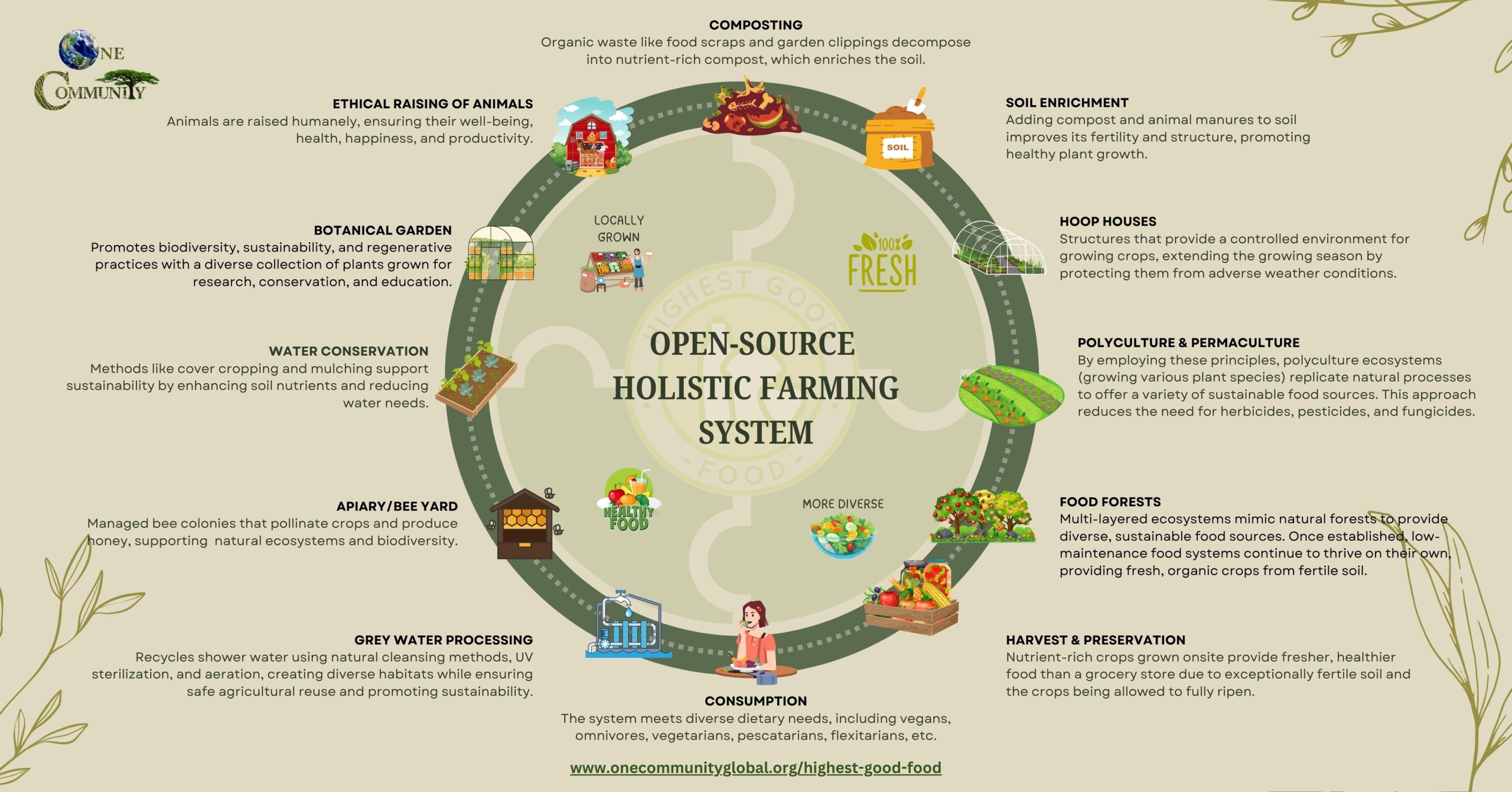
One Community wants to help people to grow their own high quality and diverse food. We believe if we can make this easy enough, affordable enough, and attractive enough, it will provide a clear path to increasing health, biodiversity, and individual and global food security. It also has the potential to revolutionize the way people look at and interact with the food they eat. As part of our self-replicating and self-sufficient teacher/demonstration communities, villages, and cities model, this could also address world hunger.

One Community Highest Good Food Overview – Click to Enlarge
FREQUENTLY ANSWERED QUESTIONS
Q: I thought you were 100% open source, why is “Highest Good Food” a registered trademark?
To understand this, please read our Copyrights, Trademarks, Patents and Using them to Support Open Source and Free-sharing page.
Q: Is One Community going to be a vegetarian community?
The One Community team consists of vegans, vegetarians, and omnivores. In accordance with our philosophy for The Highest Good of All we are maintaining a non-idealogical approach to food choices. That said, also in accordance with this philosophy, we will only support and consume food items that are ethically and sustainably raised, managed, and produced. The consensus process will be used to decide the evolution of the One Community food plan.
Q: I’m an omnivore or vegan, what if I don’t want to eat a vegan or omnivore diet?
The complete food self-sufficiency transition plan is designed to meet the needs of all dietary preferences through:
- Recipes that can be made vegan or omnivore:
- Vegan recipes were chosen that could easily have animal-based proteins added for omnivores
- Omnivore recipes were chosen that could easily be made with 100% vegan ingredients
- Alternating weeks of omnivore and vegan focused menus: The weeks are alternating so that we could design complete 1-week menus for each dietary preference to provide complete menus for both philosophies AND so that groups containing mixed preferences would have an equal way of focusing on each dietary preference for a week while still providing for the other preference as per #1 above. They alternate to address any concerns that recipes aren’t as good when a vegan recipe is made omnivore just by adding animal protein, or an omnivore recipe is made vegan just by replacing all animal-based ingredients.
In this way all dietary preferences can be provided, any sacrifices are shared in alternating weeks, and groups completely preferring vegan or omnivore options have clear menus they can follow for both choices.
Q: How do you intend to produce spices, mill grain for flour, cooking oil, etc. etc.
To us, “100% food sustainability” means we will demonstrate and open source share a model that doesn’t need external food sources. Having achieved this, what we produce internally versus choosing to buy will be decided through the consensus process.
Q: What is One Community’s stance on pesticides, herbicides, and fungicides?
If it is not safe to eat, we will not be spraying it on our food. Here’s a video we feel is helpful in understanding why:
Q: Can people choose not to eat in the group dining hall?
Yes, the Duplicable City Center will provide group dining space and the kitchen, where people choose to eat is up to the individual.
Q: Would we be allowed to have a hot plate stove (single burner)/microwave/toaster oven in our private residence if we wished to cook apart from the rest of the community from time to time?
Yes, people can supply their individual residences with these items if they want to.
Q: Do you plan to raise cows or other large grazing animals for milk or food.
Probably not due to the sustainability issues with this approach to food. This could however change if agreed upon through the consensus process.
Q: What if I want something that isn’t on the community menu?
The community menu will be agreed upon through the consensus process. If a person wanted something not included on that menu, then they would be welcome to purchase and provide it for themselves.
Q: What if you are unable to meet your timelines for food self-sustainability?
We have funds built into our business plan to provide food for an additional year if necessary.
Q: I’m vegetarian/vegan, would I have to participate in any part of the process or raising animals for food and/or eating/cooking them?
No, if you aren’t eating the food item, you would not have to participate in any aspect of One Community’s food diversity that didn’t agree with your personal beliefs and preferences.
Q: The aquapini and walipini structures are closed-loop systems, will you be supplementing those with CO2 to improve plant growth?
Based on the research we did, we believe that we should not be concerned about the CO2 levels in our growing structures. The CO2 generated by the decomposition of organic material within these structures, from the plants themselves at night, people working in and visiting the structures, and from outside when people enter and exit will be sufficient. Recent research also showed that excessive CO2 can actually be detrimental to the nutritional value of plants. Intentional increases to 1500 ppm (for production increases of 30%) can be created by various means but this extra CO2 decreases levels of key nutrients while also creating excess carbohydrate/sugar content. This results over the long run in plants becoming more like junk food than the nutritions foundations of a healthy diet they are meant to be.
Q: What sets One Community apart from similar projects?
One Community's open source project-launch blueprinting strategy and the fact that we are open sourcing and addressing ALL elements of society simultaneously are a combination unique to our organization. Together, these will help others duplicate what we do and create self-propagating teacher/demonstration communities, villages, and cities capable of positively impacting every single person on this planet within one generation.
Q: What sets One Community's open source goals apart from similar projects?
To our knowledge, no other project exists that is providing the comprehensive nature and detail of everything we are open source project-launch blueprinting.
Q: What is the specific One Community short-term goal?
- Become a world leader in global-solution information content within 6 months of moving onto the property as detailed in our open source project-launch blueprinting page.
- Expand within 5 years to a community of 200 full-time residents producing ongoing tools, resources, and tutorials while hosting thousands of annual visitors as outlined in our long-term vision page.
- Define the global-solution industry itself as an open source industry, expanding mainstream awareness, appeal, and desire for comprehensive sustainability by demonstrating and sharing a more attractive and fulfilling way of living that people can have if they desire to create it also.
- Teach as many people as possible to duplicate and/or evolve our global transformation model.
Q: What is the ultimate One Community long-term goal?
To transform our world into a sustainable and happier one through teacher/demonstration communities, villages, and cities to be built all over the world. We will work with these hubs as our open source partners and fellow leaders of the open source, Highest Good of All, and sustainable planet movement leading to a New Golden Age of cooperation, collaboration, innovation, creativity, sustainable living, and increased happiness for the entire human organism.
Q: How are you funding One Community?
We are still seeking funding. Please see our Funding Related Details Page.
Q: Where will One Community be located and why?
Click HERE for property details that include why we have chosen the location we have.
Q: How far is One Community in the creation process?
Visit our progress page for a regularly updated list of our accomplishments and progress. Visit our blog for our on-going mini-updates and weekly summaries of accomplishments and progress.
Q: Why not just build a small-scale prototype home or community that includes a minimum-scale revenue-generating demonstration/operation? Wouldn't this get things going faster?
This small-scale operation already exists as Airbnb. What we see as missing is a complete model for self-sufficiency that is open source and reasonably replicable. Even complete models for self-sufficiency already exist in the form of the many eco-villages out there. What none of those offer though is any sort of understanding and/or path for how average people can replicate them. We also think there isn't enough of a compelling reason for most people to bother with changing how they live now to engage such a path/project, so our project is purposed to provide and demonstrate that too.
From a total global-change perspective though, we think it is even more important to create a permanent example:
- Dedicated to open source
- Capable of providing for the complete needs of hundreds of people.
- Providing the support needed so residents can work together on open source creation full-time.
- Revenue generation and space for expansion to grow to over a 1000+ full-time resident-volunteers.
- Able to support the establishment of other open source teacher/demonstration/R&D hubs around the world.
This is why the intended property, village models, social architecture and economic focuses are all big. To support faster and broader implementation, we are also developing everything so it is modular and implementable as individual components. This will allow for anyone who doesn't desire the full teacher/demonstration hub approach to have options too, but our primary goal is to demonstrate the complete teacher/demonstration hub as easy enough, affordable enough, and attractive enough for average people with average means to want to replicate it and/or use what we provide to build their own version.
Q: If you are giving everything away through open source, how do you intend to make money?
Our model is designed to prosper specifically because we are giving everything away through open source project-launch blueprinting. We accomplish this through eco-tourism marketed with the open source infrastructure we have already created and other supported revenue streams outlined on our revenue streams page. All of this further promotes our model of spreading sustainability and actively promoting and distributing even more open source blueprints for duplication by as many people as possible.
Q: How will this help people in Third World countries and other areas that need resources most?
Using the four-phase strategy above, we wish to demonstrate building a teacher/demonstration community, village, and/or city as profitable for large investors and/or a way for small groups of people to pool what resources they have and get out of debt. We see this spreading and bringing resources to the areas that need them most because building these villages in these areas will be more affordable and easier to do with less building restrictions.
Q: How do you stop the model from being totally capitalized without the positive intent of the original model?
We are not focused on putting limitations on the use of everything we are creating because of our open source commitment. We will, however, directly support any organization contributing specifically to open source project-launch blueprinting and operating for The Highest Good of All.
Q: Where would I find a more detailed description of how this works?
Please visit our About Us page, Methodology page, and Site Map for more comprehensive descriptions and links to complete details for every aspect of One Community.
Q: What about safety?
We consider a community of 500 people with shared goals and vision more safe than current living models. We think even a group of 50 people working together can handle any reasonable challenge.
INTEGRATING HIGHEST GOOD FOOD INTO SMALL- SCALE COMMUNITY ORGANIZATIONS
One of the main goals of One Community Global and Highest Good food is to provide easily accessible resources pertaining to healthy, affordable, and sustainable food systems. To grow and share these resources, One Community aims to make our ideas and goals transferable to all kinds of groups and organizations. Highest Good food mainly focuses on large-scale plans, such as our large-scale gardening plan or our large-scale soil amendment strategy, however, these plans can be scaled to meet the needs of other groups too. Some examples of these small-scale groups include schools, non-profits, community organizations, and businesses. The goal of this section is to help guide small-scale organizations looking to benefit the environment in integrating a community-based program like One Community’s Highest Good Food Program. We discuss this with the following sections:
- What is Integrating Highest Good Food Into Small-Scale Organizations
- Why Integrate Highest Good Food Into Small-Scale Organizations
- Examples of Food Programs in Small-Scale Organizations
- Initial Implementation into Small-Scale Organizations
- How to Implement Highest Good Food into Small-Scale Organizations
- Small-Scale Highest Good Food Cost Analysis
- Open Source Content to Be Added Later
- Resources
- Summary
WHAT IS INTEGRATING HIGHEST GOOD FOOD INTO SMALL-SCALE ORGANIZATIONS
One Community’s Highest Good food aims to provide nutritious, bio-diverse foods for the community through ethically-planned land stewardship. One of the key features of Highest Good food is a large-scale garden intended to feed over 100 people. Although this garden plan operates on a large scale, it is able to be scaled down to a smaller level that has the ability to support communities, neighborhoods, local organizations, and companies. Not only will incorporating a Highest Good food program benefit your organization by providing food, social and emotional wellness, and supporting community ties, but it will also promote the idea of sustainability and permaculture.
Permaculture is the main design focus of One Community’s Highest Good food gardening plan; permaculture encompasses the design of efficient and sustainable human settlements and systems while preserving and extending our natural environment. In these small-scale organizations, permaculture will be the underlying concept that drives the Highest Good food “programs”, creating opportunities for small communities to support their local environment, as well as benefit their community members. Throughout this page, we will describe how to incorporate Highest Good food into small-scale organizations, customizing the food programs based on each organization, their goals, and their needs.
WHY INTEGRATE HIGHEST GOOD FOOD INTO SMALL-SCALE ORGANIZATIONS
Four of the biggest benefits of implementing a Highest Good food program into your small-scale organization are how these programs can promote sustainability, community building, education, and permaculture. As stated earlier, permaculture is the idea of producing food while understanding how to care for the Earth. Caring for our Earth is a very complex concept, however, we can all contribute to benefitting our environment through practicing permaculture in our small-scale organizations. Not only will practicing permaculture benefit our Earth, but it will also benefit our communities; below we will describe the biggest benefits the Highest Good food Infrastructure can bring to your organization.
Click to Enlarge – Download and Share on Social Media? Yes Please!
SUSTAINABILITY BENEFITS
Sustainability is defined by One Community as the coexistence of humanity with nature and each other that can last indefinitely. The Highest Good food infrastructure drives sustainability through producing maximally nutritious and diverse food that benefits both the consumer, as well as the environment. Sustainable gardening benefits the broader environment in a variety of ways. Growing a variety of plants in your garden or food program promotes resilience in the landscape and the interconnectedness of organisms, leading to decreased use of pesticides and pollutants, increased positive natural interactions, and healthier soil composition.
While creating all of these benefits and more for the environment, your program will also benefit the community. Your garden or food program can provide fruits and vegetables to the community that are nutrient-dense, easily accessible, and affordable, as well as provide a space for your community to connect with nature. Along with these benefits, the local environment is also positively impacted, as your community’s carbon footprint can be reduced and your local biodiversity levels can increase. Integrating Highest Good food into your small-scale organization through creating a food program or garden can bring great sustainability benefits to your area and your community.
COMMUNITY BUILDING BENEFITS
One of the goals of Highest Good food is to provide others with a foundation to build a cooperative of people who are passionate about growing, maintaining, and studying plants and nature. Food programs or gardens for your organization can strengthen your community by providing an open space for community members from all different backgrounds to meet one another and bond over their passion for community growth and development. Members of the community will be empowered to design, build, and maintain this new communal space, as well as create garden plans which can provide nutritious food and natural beauty to your area.
As your Highest Good food program grows, so will the relationships and connections made between community members, driving a positive ecological change within your organization. One great model of how permaculture and natural spaces can bring a community together is the City Repair Project, which focuses on transforming unused public spaces into eco-friendly, community-building hubs; we will speak more on this project later on in this page as well. Overall, incorporating a Highest Good food-based program into your neighborhood or community can bring amazing benefits to community members and their relationships.
EDUCATIONAL BENEFITS
Developing a Highest Good food program in your small-scale organization can also drive significant educational benefits to your community. A food program or garden will help community members learn more about natural scientific processes and develop a better understanding of the environment, as well as ignite their sense of curiosity and self-understanding. A food program will provide a space for community members to work hands-on with nature, observing and working with plants from seed to fruit. Food programs and gardens provide an opportunity for community members to collaborate with friends, family, and neighbors in order to create a healthy and beautiful natural space. This will encourage member’s knowledge of biological processes and the interactions that occur between organisms to create a thriving ecosystem.
Creating a Highest Good food program will also encourage curiosity amongst the members of your community. Community members will work closely with your food program and learn more about plant growth and production, leading to further questions and inquiry. Curiosity goes hand-in-hand with education, as it motivates individuals to explore new ideas and encourages problem-solving skills. A food program in your small-scale organization can also, especially in younger members of your community, ignite a sense of self-understanding. Working alongside others in the garden and spending time in nature will increase the interpersonal skills, cooperative skills, and emotional intelligence of community members of all ages.
PERMACULTURE BENEFITS
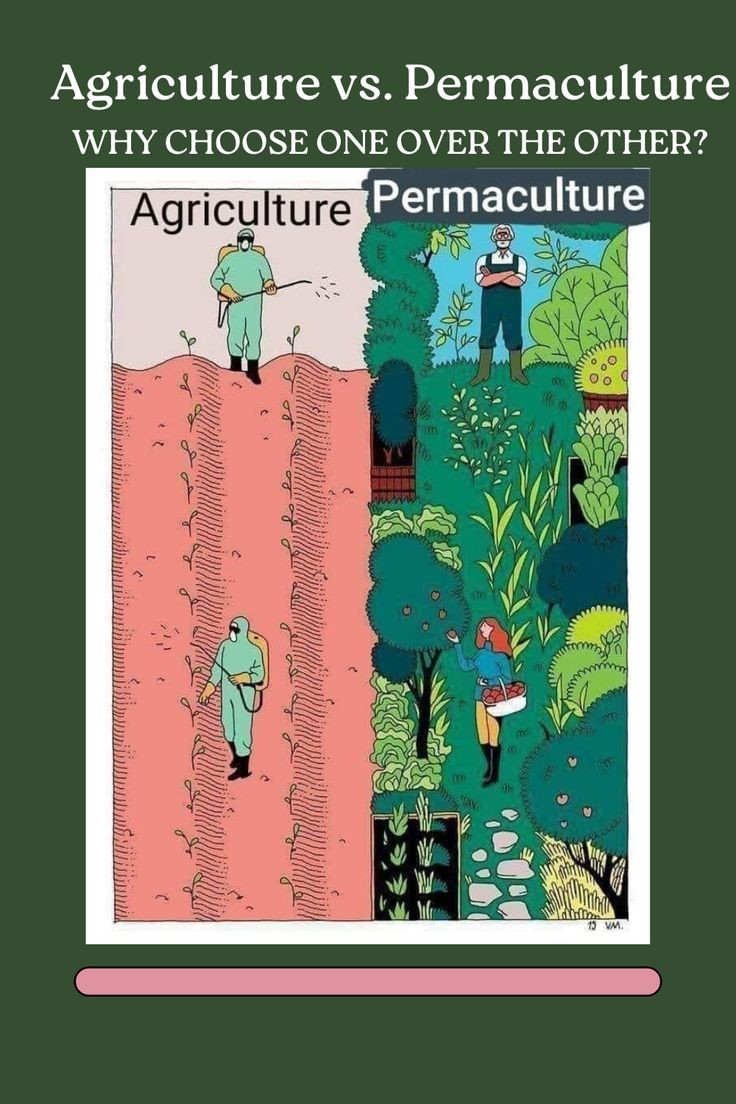 Highest Good food is structured around permaculture, an approach to land management and agriculture that focuses on the sustainable balance between people and nature. Your food program or garden will also be focused around the idea of permaculture and the many environmental and social benefits it carries. Integrating a food program or garden based around permaculture will lead you to these environmental and social benefits by understanding and implementing the permaculture principles. These twelve principles of permaculture are not rules, but a method of identifying, planning, and evolving ecological design solutions. Learn more about these design principles on One Community’s Open Source and DIY Permaculture Design page.
Effectively practicing permaculture will reduce soil erosion, promote biodiversity, minimize water usage, decrease pollution, and encourage carbon sequestration. These environmental benefits are promoted through conscious care of the land and protecting our life-giving elements – such as soil, water, air, plants, and pollinators. Socially, permaculture can strengthen community bonds, create educational opportunities, increase food security, and encourage healthier lifestyles. By connecting with and nurturing nature, communities will be able to acquire these benefits all while sustaining the environment.
EXAMPLES OF FOOD PROGRAMS IN SMALL- SCALE ORGANIZATIONS
Integrating food programs into small-scale organizations has benefits that go far beyond the four primary areas we spoke about above. Additional benefits of implementing a Highest Good food program would include the reduction of food waste, improvement of company culture, health benefits, positive environmental expansion, ecosystem stability, and biodiversity growth. An important aspect of your Highest Good food program that goes hand-in-hand with the benefits it may bring, is the purpose of your program. There are various reasons for starting a food program; your program can provide food for your community, increase community involvement, and be a place for your community to learn.
Understanding the benefits of a Highest Good food program can help you determine the purpose of your program and can give you insight on how you want your program to impact your community. Listed below are some examples of how gardens and food programs have benefitted some small-scale organizations, including schools, neighborhood communities, and businesses, as well as some of the possible purposes of these programs.
HIGHEST GOOD FOOD IN SCHOOLS
Incorporating a Highest Good food program into your school community could bring a variety of benefits to the students and the school as a whole. Whether your school food program aims to grow produce for the community or the student lunch program, aims to create a gardening club or culinary program, or aims to educate students and staff about biological and environmental science, your school garden will bring great benefits to everyone involved. Over 7,000 schools across the United States have incorporated a garden program into their curriculum, displaying the great benefits that outdoor education can bring.
Click to Enlarge – Download and Share on Social Media? Yes Please!
BENEFITS FOR THE STUDENTS
School gardens have significant benefits for students, growing student’s personal and academic success during their time in school, as well as in their future. Below is a list of the ways that school gardens can have a positive impact on the students:
ACADEMIC ACHIEVEMENT
School gardens offer numerous educational benefits, helping students engage more deeply with their studies through hands-on experiences such as:
- Increasing hands-on learning activities that bring scientific concepts to life
- Encouraging interactive learning, which boosts student passion, attention, and motivation
- Enhancing academic achievement by developing critical thinking skills, building self-esteem, and fostering a love for lifelong learning
- Contributing to personal fulfillment, which lays the foundation for long-term success
SOCIAL SKILLS
School gardens will give students the opportunity to interact with fellow students, volunteers, and teachers. These interactions can help develop important social and communication skills, such as:
- Boosting student’s interpersonal and cooperative skills
- Learning how to work together effectively
- Communicating clearly with others
- Understanding and following direction
LIFESTYLE HABITS
Spending time outside in a school garden setting encourages students to develop a meaningful connection with nature. This connection supports the development of healthy lifestyle habits and environmental awareness through:
- Fostering respect, concern, and awareness for the environment and its resources
- Teaching the benefits of growing nutritious produce and spending time outdoors
- Providing opportunities to try new fruits and vegetables, expanding their palate and introducing healthy snack or meal options
Incorporating a Highest Good food program into your school will bring all of these great benefits and more to the students. School gardens and food programs introduce a world of opportunities to students, including the opportunity to further their knowledge about sustainable gardening, the opportunity to develop a love for incorporating fresh fruits and vegetables into their diets, or the opportunity to create a friendship in the garden that will last a lifetime. Overall, implementing a food program or garden into your school will bring the benefits of sustainability, community building, educational advancement, and permaculture, as well as the benefits of student success and personal growth.
BENEFITS FOR THE SCHOOL
Starting a Highest Good food program at your school will not only benefit the students, but it will also give back to the school itself. Food programs and school gardens can improve the school’s accreditation, create a positive school community, and develop a variety of future opportunities for your school. View a detailed list of these benefits below:
ACADEMIC SUCCESS
Students who participate in both garden-based and traditional classroom-based science activities tend to experience greater academic success. These educational benefits can positively influence the school community by:
- Contributing to higher academic achievement and increased graduation rates
- Enhancing the school’s reputation and accreditation
- Building stronger relationships between students, teachers, and parents through the acknowledgment of student achievements
SCHOOL LUNCH PROGRAMS
Produce from the garden can be incorporated into the school lunch program as new, nutritious ingredients:
- If your school plans to incorporate fresh produce into the school meals, the garden coordinator should work alongside the school nutrition director to plan the lunch menus, amount of produce, and food safety and delivery logistics
Fresh produce can also benefit the school through lowering the cost of school lunches; fresh fruits and vegetables are relatively more expensive and challenging for schools to obtain:
- Your school garden coordinator can develop a plan for freezing the garden’s fresh produce during the summer months in order to be used throughout the school year
SCHOOL FUNDRAISING
Your school can raise money through the sale of surplus crops; unused crops can be sold to student’s families, staff, and local community members. Ways to do this include:
- Selling crops at the school reception desk, local markets, or community farmer’s markets
- Using the money raised for future growth and expansion of the garden
- Donating profits gained towards other school programs
FUTURE OPPORTUNITIES
Your school garden can support or inspire a culinary or agriculture program while providing hands-on learning experiences for students:
- If your school already has an established culinary or agriculture program, your garden can be incorporated as a source for fresh produce, and a place where students can gain hands-on knowledge about agriculture and the ingredients they are using in the kitchen
- If your school does not have an established culinary or agriculture program, your garden can be the opportunity for your school to start one; students who find a passion for gardening and producing fresh fruits and vegetables may want to further their knowledge and experience in this field through focusing on agricultural or culinary techniques
- If your school already has an established culinary or agriculture program, one great thing for you to start is a food forest
- A food forest is a gardening system that mimics the natural forest ecosystems, with layering shrubs, trees, and other plants; this can be beneficial for these programs because it teaches students about natural plant processes and how to grow food in natural ecosystems
- It also teaches students about diversity in food and why it’s important
- View One Community’s Food Forest plan to learn more about what a food forest is and how to develop one
Creating a school garden or food program will not only impact the lives of the students, staff, and members involved, but it will also impact the school as a whole. The benefits listed above are only a few examples of how implementing a Highest Good food program can create change in your school community. Incorporating permaculture through the integration of Highest Good food in your school can show students, parents, staff, and volunteers how we, as humans, can build a mutually beneficial relationship with the natural environment. As students, staff, and garden volunteers work in the garden, they will develop better social skills, create positive relationships, and gain knowledge, while the local environment will benefit from increased biodiversity, heightened ecological interactions, and improved soil health. Overall, starting a school garden or food program can greatly benefit the students, the school, and the local environment.
HIGHEST GOOD FOOD IN COMMUNITIES
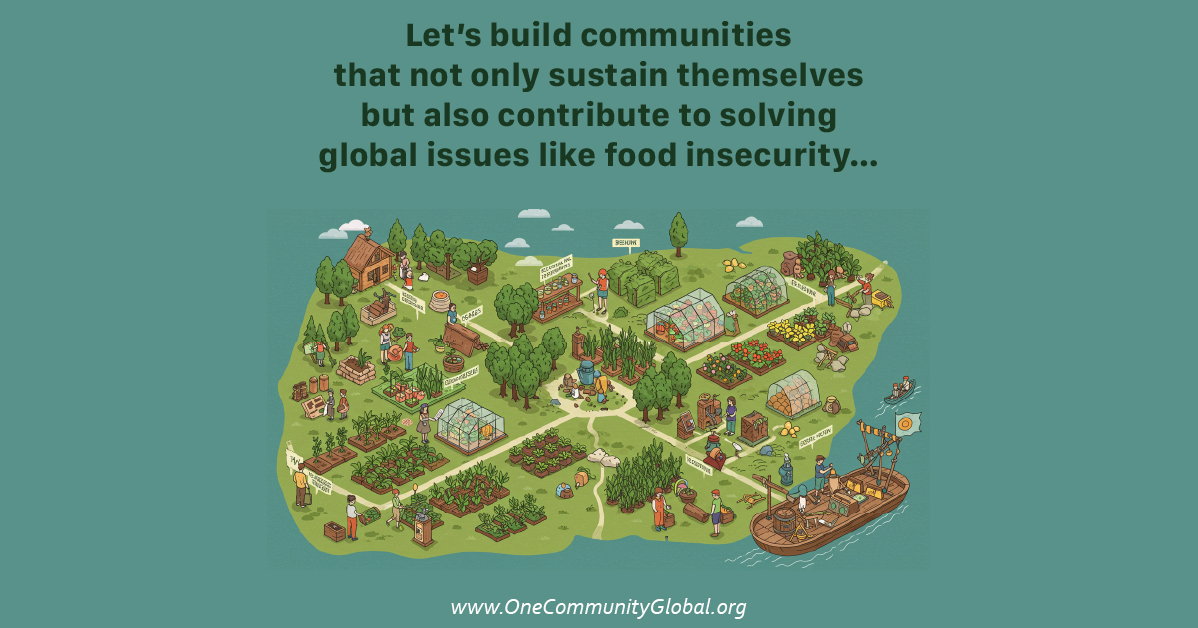
Community gardens and food programs are another way that Highest Good food can be integrated into small-scale organizations. Gardens that are developed within a small community, such as a city, neighborhood, or town, can provide great benefits to the individuals of the community, the community as a whole, and the environment.
Click to Enlarge – Download and Share on Social Media? Yes Please!
BENEFITS FOR THE INDIVIDUALS
Integrating a Highest Good food program into your community will have incredible benefits on the individuals involved. Below is a detailed list of the great benefits that a community garden can have on the members of the community:
PHYSICAL AND MENTAL HEALTH
A community garden or food program will give community members an opportunity to get outside and get active:
- Gardening requires a variety of physical activities, including lifting soil bags, pushing wheelbarrows, digging in the soil, and harvesting produce
- All of these activities encourage mobility, muscular strength, and cardiovascular fitness
Gardens boost mental health and relaxation:
- It is proven that spending time in nature and green areas reduces stress, anger, and sadness, as well as decreases the heart rate and blood pressure, promoting relaxation
SOCIAL AND EMOTIONAL WELLBEING
Community gardens provide individuals with the opportunity to meet fellow members of their community. These shared spaces offer social and emotional benefits such as:
- Working alongside garden members will instill a sense of community and companionship, giving individuals the opportunity to feel connected to something that is larger than themselves
- Collaboration in the garden can improve the relationships within families, which will lead to growth at home as well
- All of these benefits promote individual happiness and positivity
DEVELOPMENT OF LIFELONG SKILLS
Hands-on gardening can serve as an educational experience for community members, offering valuable knowledge and skill-building opportunities such as:
- Introducing biological and ecological processes in nature, how to nurture a crop from seed to fruit, and how the environment impacts plant growth
- Building the basis of a community garden with your neighbors can introduce new construction and carpentry skills
- Developing a community garden will build lifelong skills such as food production, planning, soil analysis, crop rotation techniques, and business
Incorporating a Highest Good food program in your local community can bring all of these great benefits to neighbors, families, and individuals in your area. Community members who are involved in the garden will be able to experience the positivity and growth that evolves in the garden. When working in the garden, community members will be able to improve their physical and mental health, expand their social and emotional wellbeing, and develop skills that will last a lifetime. All of these benefits and more will not only impact the individuals, but will also create change in your community as a whole.
BENEFITS FOR THE COMMUNITY
Incorporating a Highest Good food program in your neighborhood can also have incredible benefits to your whole community. From strengthening community ties to benefitting your local environment, a community garden can impact your neighborhood in a number of ways.
STRENGTHENING COMMUNITY TIES
A Highest Good food program can help strengthen community ties and create a sense of unity and pride within neighborhoods:
- A Highest Good food program will provide a place for community members to gather and get to know one another better, strengthening community ties and creating positivity within your neighborhood
- Members will develop a sense of pride for their garden and their neighborhood leading to a desire for further community growth and develop
- A community garden developed on public space will turn an unused, forgotten piece of land into a beautiful, growing garden that reunites the community
- The City Repair Project, founded by Mark Lakeman, provides great examples on how incorporating community gardens can bond and transform a neighborhood
- This project aims to educate and inspire communities through the transformation of unused public spaces, such as the transformation of an abandoned lot into a thriving community garden
FOOD ACCESSIBILITY
Starting a Highest Good food program in your neighborhood can improve food security by increasing access to fresh foods. This can be supported by:
- Providing community members with access to fresh foods
- Dividing the fresh food produced by your garden among community members to bring home
- Donating produce to the local food bank
- Giving fresh foods to local schools for their lunch programs
ENVIRONMENTAL IMPACT
Increased Biodiversity:
- A community garden will increase plant and animal biodiversity in your area
- Increased biodiversity creates heightened interactions between animals, plants, and other organisms in the ecosystem, leading to improved air quality, soil quality, and ecosystem stability
Promotion of Permaculture:
- Practicing permaculture or sustainable agriculture in your community garden will help reduce the negative effects that may arise from conventional agriculture, such as soil depletion, soil toxicity, and the use of chemical fertilizers and pesticides
- This benefits the environment by avoiding harmful chemicals, as well as the health of community members by producing high quality, clean crops
Reduction of Waste:
- Community gardens will also reduce the amount of neighborhood waste through composting
- Composting is the practice of recycling organic matter, such as leftover food and yard waste, and using this matter as fertilizer for your garden
- Your neighbors and community members can contribute their organic waste toward the garden fertilizer, rather than contributing it to the landfill where it will eventually turn into a greenhouse gas
Reduction of Transport Emissions:
- Your community garden may also benefit the environment through the reduction of food transport emissions
- Depending on the size of your garden, it may be able to provide your community with fresh fruits and vegetables, lessening the need for food to travel to your community
- This, in turn, reduces the amount of carbon emissions produced from food transport
Overall, a Highest Good food program will greatly benefit your community by positively impacting individual’s happiness, community relationships, and the local environment. A garden or food program will bring neighbors and volunteers together to create a space for community growth and development. Along with introducing new friendships and community relationships, a neighborhood garden or food program will also introduce many benefits to the local environment through increasing biodiversity, reducing waste and emissions, and promoting permaculture.
HIGHEST GOOD FOOD IN BUSINESSES
Gardens and food programs that follow the Highest Good food plan can also be implemented in the corporate or company setting. Corporate gardening can greatly benefit the individuals involved, as well as the company as whole, as it provides a community space where friendships can be fostered, knowledge can be gained, and local food can be provided. Find more information below about the benefits of corporate gardens.
Click to Enlarge – Download and Share on Social Media? Yes Please!
BENEFITS FOR THE EMPLOYEES
Corporate gardens and green spaces can have a number of benefits for employees and office workers, including the improvement of emotional wellbeing, social relationships, and physical health. Below is a more detailed list of these benefits:
MENTAL HEALTH IMPACT
Creating an office garden can give workers the opportunity to spend time with nature, separate from the office. Spending time in natural, green areas improves mental health in several ways:
- Decreasing stress and anxiety levels
- Boosting creativity and happiness
- Instilling feelings of calmness
JOB PERFORMANCE
The benefits listed above will also play a role in job performance, helping employees thrive through:
- Employees that have a positive well-being and outlook are more likely to bring that mindset to the workplace
- Time spent in natural, green spaces will boost creativity and memory retention, positively impacting the success of employees
- Walking around a corporate garden to clear your mind within nature can help employees return to work re-energized and prepared to succeed
SOCIAL WELLBEING
Company gardens create space for meaningful interactions and stronger workplace relationships through:
- Offering a space for employees to interact with one another, outside of the work environment
- Giving colleagues time to spend with one another socially and converse about more non-work-related topics
- Helping employees work together, tend to, and harvest from the garden, which positively impacts trust and collaboration between colleagues
- Increasing a person’s desire to interact with others and engage in conversation by spending time with nature and observing plants, boosting positive interactions between employees
PHYSICAL HEALTH
Corporate gardens promote better physical health by offering convenient wellness opportunities such as:
- Providing employees with a space to perform a variety of physical activities including tending to the plants, walking around, practicing meditation, or even doing yoga
- Giving employees access to a free, convenient way to increase their physical activity throughout the day
Developing a Highest Good food program in your company will have an amazing impact on the individuals in the workplace. A green space in the office will give employees a place to unwind, re-energize, and grow workplace relationships. Not only will the individuals in the workplace gain benefits from a corporate garden, but the workplace as a whole will also experience the positivity that can develop from an office green space.
BENEFITS FOR THE COMPANY
Integrating a corporate garden in your offices also benefits your company as a whole, improving overall company culture through increasing team collaboration, building workplace culture, and boosting support for sustainability initiatives. View a more detailed list of the benefits below:
TEAM COLLABORATION
An office green space can help teams bond and collaborate more effectively. This can be encouraged through:
- Providing a place for teams to bond and work with one another toward a greater goal
- Holding walking meetings in the garden or working together to grow plants
- Allowing employees to be more comfortable and creative during meetings in a garden setting, as it is less formal than a conference room
- Encouraging shared responsibility among employees in maintaining and nurturing the garden space
- Leading to effective collaboration and communication both in the garden and in the workplace
POSITIVE WORKPLACE CULTURE
Office green spaces support a healthier and more uplifting workplace environment. Benefits include:
- Promoting employee happiness, relaxation, creativity, and healthy relationships
- Fostering a positive company culture by supporting social and emotional wellbeing and open communication
- Creating a positive environment that encourages teams to collaborate, grow, and succeed together
SUSTAINABILITY INITIATIVES
Workplace gardens play a key role in raising environmental awareness and supporting sustainable practices by:
- Promoting environmental awareness amongst employees and boosting company-wide support for sustainability initiatives
- Offering opportunities for employees to learn about nature, gardening, and environmental practices
- Encouraging environmentally conscious habits both inside and outside the workplace
- Leading to company-wide support for sustainable practices
Integrating a Highest Good food program into your company will provide great benefits to individuals in the workplace, as well as the workplace as a whole. A corporate garden or green space will create opportunities for individuals, as well as team, growth and development. Not only will this space be a place for relaxation and calmness for individuals, but it will also be a space for team collaboration, communication, and success. Along with this, a company garden will be an opportunity to promote sustainability and permaculture in the workplace. Overall, a Highest Good food program can introduce great benefits and opportunities to your company
The Highest Good food infrastructure can be implemented into all of these small-scale organizations, providing benefits to everyone involved. See One Community’s large-scale gardening plan to view more information about the benefits of these programs. These next sections will provide a brief outline on how to begin integrating these programs into your small-scale organization.
INITIAL IMPLEMENTATION INTO SMALL- SCALE ORGANIZATIONS
Incorporating the Highest Good food plan into small-scale organizations will greatly benefit the individuals, the organization, and the local environment. Along with this, a Highest Good food program will also increase your community’s environmental awareness and support for sustainability. Below is a brief overview of the three main steps that every organization will have to take to develop a Highest Good food program:
- Understand One Community’s large-scale gardening plan
- Understand the overall goals for and purpose of your organization’s HIghest Good Food program
- Executing a small-scale plan based off of what you’re seeking
In the section below, we will go further into detail about how to implement Highest Good food into your small-scale organization. The steps listed in this section are an outline meant to be a guide in the implementation of Highest Good food and can be altered to suit your organization’s needs.
HOW TO IMPLEMENT HIGHEST GOOD FOOD INTO SMALL- SCALE ORGANIZATIONS
After understanding the Highest Good food Plan and considering all of the necessary factors to start your food program, your next step would be to begin the implementation process. Below we will outline how to implement the Highest Good food Plan into your small-scale organizations, detailing how to begin the implementation process, then go further into detail based on the purpose and goals of your program.
Click to Enlarge – Download and Share on Social Media? Yes Please!
What follows are some guidelines on how to integrate the Highest Good food plan into your small-scale organization.
FORM A GARDEN COMMITTEE
If your organization is looking to start a school garden, form a garden committee. These individuals will be the main decision-makers for your school garden. The garden committee should consist of 5+ members including students, teaching staff, parents, community volunteers, and school administrators. The purpose of the garden committee is to make decisions about the purpose, development, maintenance, and future growth of the garden.
- Ideally, your committee will have one representative from these 5 groups
- If one of the goals of your garden is to provide food for the school lunch program or established culinary program, one representative from these departments should be included in the committee as well
DETERMINE THE PURPOSE OF YOUR GARDEN
School gardens can be established for a variety of reasons. These purposes will be discussed further throughout this section; implementation steps may differ depending on the goals of your program. Our suggestions include the following:
- To educate students through outdoor, hands-on learning
- To provide food for students and families, for the school lunch program, or for food donation programs
- To complement and further develop established agriculture/culinary programs
- To create a “food forest” where students can both learn, as well as relax and unwind
ESTABLISH METHODS FOR FUNDRAISING
There are various methods that your school committee can consider when determining how to fundraise or seek donations for your school garden. These methods include:
- Holding a bake sale, hosting a garden donation event, holding a raffle with donations from local businesses, hosting a car wash, and having a movie screening and selling concessions
- Collecting tools, materials, and knowledge for your garden by asking parents, teachers, and staff to donate to the school garden
- Accepting donations such as soil, wood, seeds, gardening tools, garden layouts, and information about gardening
ASSESS THE AVAILABLE SPACE AND DETERMINE YOUR GARDEN PLOT
There are various things to consider when determining your garden plot; the following questions can be used to narrow down your options:
- How much space do you need? Will there be a desire for future growth?
- Is there enough sunlight exposure?
- Is a water source easily accessible?
- Is the space easily accessible to students of all abilities?
- Is the space secure from pests and the public?
One of the biggest aspects to consider when choosing your garden plot is the soil; the following bullets can help guide you on soil considerations:
- Will you be using garden beds? If so, what type of garden beds?
- If you are not planning on using garden beds, or are planning to use the soil on the plot of land, you should consider conducting a soil test to determine if it is of good quality
- You want to consider the organisms found in your soil, the texture of your soil, and the nutrients found on a soil test; if any of these aspects needs help, consider using fertilizer, adding a different texture, or introducing different organisms to the area
DETERMINE THE PLANTS THAT YOU WANT TO GROW AND PRODUCE IN YOUR GARDEN
One of the main goals of a school garden is to encourage learning in the students, therefore, the crops you plan to grow in your garden should encourage new experiences and learning opportunities; below is a list of some of the characteristics that you may seek in your school garden’s crops:
- Edible Raw/Taste: A school garden should contain plants that can be eaten straight from the garden, therefore, the students will be able to taste the crops they have been growing and maintaining; students may be more encouraged to try their crops if they are tasty too!
- Activity Rich: Crops that have intriguing and interesting life cycle stages can encourage learning activities in the garden; students can examine how their plants grow from seed to flower to fruit to post-fruit, as well as the possible pollinators and natural events that impact this process
- Sensory Rich: When looking for plants to grow in your garden, consider qualities that will encourage the student’s senses; some plants may be soft to the touch, sweet smelling, or extremely colorful, which will heighten the senses and the interests of your students
- Shareable: It is important to consider if your crops will be able to produce enough for each child in a class or group; it is important to ensure that all of the students will have the opportunity to taste the produce from your garden
Below are other considerations that should be taken into account when determining what plants to grow in your school garden:
- Space Requirements: The potential size of your plants is an important consideration, as your school garden plot may only be able to maintain a certain amount of crops
- Growing Zone: It is important to consider your region’s growing zone to understand what crops will thrive best in your garden; the USDA Plant Hardiness Zone map can help you determine the best crops for your area
- Climate/Season: It is important to take your area’s climate into consideration, as certain plants will only be able to produce in specific climate conditions; along with this, it is important to choose what crops will thrive best under the season you plan to plant them in
If the purpose of your school garden is to provide fresh produce for school families, the community, school staff, or the school lunch program, you may want to grow plants that primarily produce fruits and vegetables:
- This list of the 15 Best Vegetables to Grow describes the best crops to grow for beginners that are both easy to maintain and very rewarding
- Here is a Crop-by-Crop Guide to Growing Organic Fruits and Vegetables that describes how and when to plant crops, as well as the proper care for the crop’s success
PLAN AND DESIGN YOUR SITE
Here are some questions you may want to ask the garden committee when designing your site:
- Are you using garden beds in your garden, or are you planting directly in the ground?
- Do you want to have teaching or gathering areas with benches incorporated in your garden?
- What type of irrigation system will be implemented? Are you using hoses, drip irrigation, sprinklers, etc.?
- Are you planning to install a greenhouse or will you want to in the future?
- Where will you store your tools, seeds, containers, soil, etc.?
- Do you plan to compost? If so, where will your compost area be established?
- Is there access to a sink or wash area? Where will students wash up after being in the garden? Is there a space to wash your harvested produce?
After deciding all of the elements that you want in your school garden, begin to plan out garden designs; Earth Easy has a few sample designs that can can be beneficial when starting your design process.
START BUILDING YOUR GARDENS!
One of the first steps to consider when building your garden is your irrigation method. The following resources can help you begin:
- The University of New Hampshire has a great article that can provide you with various irrigation systems and how to get started on implementing them
- If you are building raised garden beds, here are some materials and tips you may find helpful
- If you are working with an open plot of land, here are some supplies that can help you get started
If your organization has an established school garden, culinary program, or agriculture program, a food forest may be a beneficial addition to your school; here is how to implement a food forest:
SIMILAR TO A SCHOOL GARDEN
Similar to a school garden, start by gathering a gardening committee of 5-10 people who will be the initial decision-makers for your food forest:
- The food forest committee can be made up of students, staff, administrators, parents, or volunteers who have knowledge about environmental science or agriculture, or are passionate about starting a food forest
DETERMINE THE PURPOSE OR GOALS
With your food forest committee, determine the purpose or goals of your program:
- One of the driving goals of a food forest is to promote outdoor, hands-on education, but there are various other benefits to creating a food forest as well
- Food forests can have great benefits for your local environment; they promote biodiversity in your community by attracting local pollinators, conserving water, and improving soil health
- Finally, food forests can also promote community building; if your school decides to allow public access to your food forest during monitored hours, the members of your community can visit the site to learn more about our environment while spending time with neighbors and friends
ESTABLISH METHODS FOR FUNDRAISING
Similar to fundraising for a school garden through the examples listed above, your food forest committee can fundraise and seek donations to help start and maintain your program
DETERMINE THE AREA FOR YOUR FOOD FOREST
When planning your food forest, selecting an appropriate area is an important first step. Consider the following:
- Food forests tend to be larger than a school garden, but they do not have to be; by collaborating with your school administrators or district staff, you can find an area in your school yard that can be converted into a food forest
- If your designated area is on the smaller scale or if you are looking to start a self-seeding, low-maintenance food forest, you can start with a plot of land anywhere from 10 feet by 10 feet to 50 feet by 50 feet
- If your school allows for a larger food forest area, your space can extend anywhere from 1/10th of an acre to 2 acres
- Despite the size of your plot, the principles of the food forest design can be applied to any scale
EXAMINE AND ASSESS THE SOIL ON YOUR SITE
Soil quality plays a major role in the success of your food forest. Keep in mind:
- A major contributor to your food forest will be the soil content on your plot of land; because food forests aim to mimic natural processes, it would be ideal that your plants are grown in the natural soil or with the assistance of a sheet mulch, which involves layering organic materials on the ground
- One Community’s Soil Amendment Plan can help with site selection and assessing the soil on your site
EXPLORE LOCAL GARDENS, FORESTS, OR PARKS
Explore local gardens, forests, or parks to determine the types of plants that thrive in your area:
- It is important to consider a number of factors when determining the types of plants for your food forest including the climate in your area, the soil conditions, and the plant hardiness zone
- When exploring local areas, note the type of plants, what layer they occupy, and the observed preferences of the plant (sun, shade, soil type, location)
MAP OUT YOUR FOOD FOREST
Planning the layout of your food forest is essential for building a balanced and self-sustaining system. Consider the following:
- Some of the first factors to start mapping out in your food forest are the pathways, benches, meeting spaces, and maintenance areas
- Mulch or gravel pathways and meeting areas are a great option for food forests, as they are affordable and are not likely to disrupt the environment
- Maintenance areas, such as a garden shed or wash-up areas, should be taken into account when mapping out your food forest
- The overall goal of a food forest is to create a self-sustaining system, therefore, when planning your garden, you should try to incorporate fruiting trees and shrubs, nitrogen-fixing plants, pollinator plants, and nutrient-accumulating plants
- Discover the growing habits of each plant in order to determine which layer of your forest they would fit in best, such as the canopy layer or ground-floor layer
ESTABLISH ANY IRRIGATION NECESSARY FOR YOUR FOOD FOREST
Many factors contribute to the decision of your food forest’s irrigation system, including the average rainfall in your area, the climate, the amount of sun your forest receives, and your soil composition. After researching these characteristics, there are various options that may be suitable for your area:
- Choose between pop-up sprinklers, drip irrigation, soaker hoses, portable sprinklers, and/or tree/shrub bags
- Incorporate rainwater collection methods, which can be incorporated to your irrigation system, while contributing to water conservation efforts
START PLANTING AND MAINTAINING YOUR FOOD FOREST!
Once your site is ready, begin planting and caring for your food forest by taking the following steps:
- To source your plants, you can grow your own plants or acquire young ones from local nurseries
- Another option when sourcing your plants could be to ask for donations from local nurseries, families, or farms
- When starting your food forest, it is important to keep weeds and other unwanted plants to a minimum, as young plants do best with no competition
- Once your initial food forest is thriving, you have the opportunity to grow your forest by adding more plants
If your organization is looking to start a community garden:
GATHER NEIGHBORS AND COMMUNITY MEMBERS
Gather neighbors and community members who are interested in a community garden and form a garden club:
- It is ideal that at least 7 to 10 families or community members are passionate about this project and eager to put in the time and effort to establish your garden
- If you are looking to start a Community Supported Agriculture (CSA) program, where members “buy in” at the beginning of the season and local farmers grow and provide produce for them, seek out members in your community that may be interested in receiving fresh fruits and vegetables throughout the season
- Your garden club will make the initial decisions regarding the planning and layout of your garden, as well as the roles and responsibilities of volunteers
- Your garden club should hold monthly meetings to discuss maintenance of the garden, progress updates, and next steps
DISCUSS FUNDING AND DONATIONS
Discuss funding and donations to start and maintain your community garden:
- Determining a source of funding or donations will be important for the upkeep of your community garden
- Not only will donations, such as tools, soil, plants, and seeds, be beneficial for your program, but small monetary donations will be necessary for payments, including water bills, lease payments, and insurance
- Reaching out to community members and local businesses is a great way to seek donations and funding; creating a letter or website that informs the community about the benefits of your garden and forming a “wish-list” of materials or supplies is a great way to find donations
- If you are starting a CSA program, the buy-in fee will provide farmers with the necessary funding to grow and maintain your crops, however, donations would be helpful in regard to tools, soil, and start-up materials
FIND AVAILABLE LAND FOR YOUR GARDEN
Securing the right location is a key first step in starting a successful community garden. Begin by:
- Exploring your community and searching for open plots of land that are available, accessible, and have the characteristics that a garden may need, including easy water access, decent soil, and sunlight exposure
- Once you have found a few potential sites, determining who owns the land and contacting them to see if your community can use the land for a garden; it may be helpful to inform them of the benefits of a community garden, both for the community and the landowner
- Signing the lease for your garden
- Understanding that you may have to rent the garden space, and some landowners may be concerned about their liability—therefore, it would be smart to obtain liability insurance
- Recognizing that funding and resources are very important in starting and maintaining a community garden
DETERMINE WHAT YOU WOULD LIKE TO PLANT IN YOUR GARDEN
Deciding what to grow in your garden relies on the purpose your community garden:
- If your garden is renting out designated plots to community members, they will decide what to plant within their plot
- If your community aims to support local farmers by starting a CSA, the produce planted in your garden can be decided by the farmers or by CSA members
- If your garden is for recreation or to build your community relationships, collaborate with the garden club or committee to determine the best plants for your space
- If the goal of your garden is to produce food for garden members or donate food to families or food pantries in your community, focus on growing fruit- and vegetable-producing plants and contact local food pantries to determine what crops patrons prefer
Here are some considerations to keep in mind:
- Growing Zone: It is important to consider your region’s growing zone to understand what crops will thrive best in your garden; the USDA Plant Hardiness Zone map can help you determine the best crops for your area
- Climate/Season: It is important to take your area’s climate into consideration, as certain plants will only be able to produce in specific climate conditions; along with this, it is important to choose what crops will thrive best under the season you plan to plant them in
- Space Requirements: The potential size and growth of your plants is an important consideration, as your community garden plot may only be able to maintain a certain size and amount of crops
- Soil Type: One of the most important factors to consider when determining plants for your garden is your soil type; you can get your soil tested or test it yourself to determine the soil type on your land. Certain plants will grow better in different soil types—for example, some roots will not be able to expand in clay-heavy soil. If your soil type is not ideal for most plants, one way to improve your soil health is to add organic matter, or if your soil health is very poor, raised garden beds may be a consideration
- Disease-Resistance: Plants that may be desirable for a community garden are disease-resistant cultivars to minimize potential plant problems. It can be hard to control and determine the various diseases, insects, or other challenges that may be damaging your plants in a community garden, so disease-resistant cultivars are a great idea
Here are some common crops to plant in your community garden and the temperature they thrive best in:
- Cool-season Crops: Beets, Broccoli, Carrots, Mustard Greens, Collard Greens, Turnips, Lettuce
- Warm-season Crops: Cucumbers, Green Beans, Melons, Peppers, Tomatoes
- These crops may be great for starting out in your garden, as they are hardy and easy to grow; after your first few seasons, you can become more creative with your crops!
DESIGN AND BUILD YOUR GARDEN
Begin by meeting with members in the garden committee who are interested or experienced in landscape/garden design to start mapping out the layout of your garden.
Here are a few basic elements that may be included in your garden:
- Garden plots/raised beds: If you plan to rent out garden plots, marking these areas are necessary for your garden design; if you are not planning to rent out garden plots, incorporating raised beds could also be an element that you may want to incorporate into your garden
- Irrigation System: Determine the type of irrigation system that would work best for your garden space, the precipitation rate in your area, the accessibility of water, and the budget for your garden. There are a variety of different irrigation systems that may work for your garden including hand watering with a hose, drip irrigation, soaker-hose irrigation, and above ground sprinklers
- Fencing: Most likely, your community garden will need a 4 to 8 foot fence surrounding your plot with multiple gates; the purpose of a fence is to secure your garden by keeping animals, pests, and intruders out
- Tool Shed/Storage: One factor that is important for your garden is a storage shed that can hold all of the tools, soil, and other materials necessary for maintaining your garden
- Pathways: Another necessary element for your garden is pathways; affordable and easy pathways would be gravel or dirt pathways that lead community members through your space
Other features that may be beneficial for your community garden include the following: a bench or picnic table, a sign with your community garden’s name and contact information, a shared composting area, a water fountain, and a meeting area.
STARTING PLANTING YOUR GARDEN!
Once your garden is built and ready, follow these simple steps to begin planting successfully:
- Establish some garden rules with your committee, including plans for watering, weeding, planting, harvesting, and more
- After rules and plans have been established, start planting!
- Make sure to start small so your garden can be well maintained and grow into a great space for your community
If your organization is looking to start a corporate or company garden:
DISCUSS THE IDEA OF A CORPORATE GARDEN
Discuss the idea of a corporate garden with colleagues and management to determine if a garden or wellness center would be beneficial and appreciated in your workplace:
- Determine who would be interested in joining a team to initiate and maintain your garden
DETERMINE THE PURPOSE OF YOUR GARDEN
Determine the purpose of your garden; what type of garden would be most beneficial for people in your workplace?
- To determine the purpose of your garden, it may be beneficial to ask colleagues what they would appreciate or benefit from them in the workplace; their answers can help you determine what to implement in your garden
- Here are some examples of corporate garden purposes: improving mental health, supporting sustainability initiatives, fostering workplace relationships, creating a sense of community, supporting employee success, encouraging physical activity, and enhancing relaxation
- Your garden have multiple purposes and can implement various factors that will provide employees with many of these benefits
- If your corporate garden plans to grow fruit and vegetable producing crops, it is important to discuss what you will do with the produce; it can be donated to local food banks, shelters, or pantries or divided among employees who maintain the garden
CHOOSE A LOCATION FOR YOUR GARDEN
When planning a corporate garden, consider the following factors for selecting a suitable location:
- Walk around your workplace and seek out areas that have adequate open, unused space, areas that receive a decent amount of sunlight, and areas that would be suitable for raised beds
- Although it is ideal to have your corporate garden outdoors, there are options for indoor garden spaces; for example, you can use unused office spaces that are secluded from other office areas, such as an unused conference room, a spacious lobby area, or an indoor courtyard
- You can also look into vertical gardening if your indoor space is limited; vertical gardens do not take up much space but still provide a green space for employees to relax in
- Outdoor spaces that would be great for a corporate garden include an unused rooftop, a large patio or deck, an outdoor courtyard, or a nearby space outside of your building
- Raised beds are most often used in corporate gardens, as they can be mobile, do not largely impact the land, and are separated from any chemicals that may have previously been used on maintained outdoor spaces
DETERMINE THE PLANTS YOUR GROUP WANTS TO GROW IN YOUR CORPORATE GARDEN
The plants you choose for your corporate garden should reflect its purpose and how it will be used:
- The plants that are grown in the corporate garden often reflect the purpose of your garden; if employees want to be involved in hands-on gardening and donating produce, plants that require more maintenance can be more suitable, while if employees seek a place for relaxation and calmness, low maintenance evergreens or succulents may be more suitable
- If your corporate garden would like to be more hands-on and grow vegetables, good options for gardening in beds and containers include bush beans, peas, cherry tomatoes, summer squashes, cucumbers, leaf lettuce, carrots, radishes, and onions
- If your corporate garden is geared towards being more low-maintenance and a place for relaxation, good options include snake plants, African violets, English ivy, ZZ plants, aloe vera, philodendrons, lucky bamboo, pothos, Chinese evergreen, prayer plants, ficus trees, and money trees
START MAPPING OUT AND BUILDING YOUR GARDEN
After your location and plants have been decided, it is time to start mapping out and building your garden:
- As stated earlier, mobile, raised beds are a great option for a corporate garden, as they can be easily implemented and rearranged
- Pathways throughout the garden are important if your garden is spacious; this allows employees to roam around within the green space
- Seating areas are a great idea for both large and small corporate gardens, as this will allow employees to relax
- Irrigation systems for your corporate garden differ on size and water accessibility; if your garden is indoors, hand-watering with watering cans is a great option, and if your space is outdoors, hose-gardening or drip irrigation are both great options
- If you plan to do hands-on work in your garden, a small container or shed for tools and materials would be necessary
DETERMINE A SCHEDULE FOR MAINTENANCE
To ensure the success of your garden, make a plan for how it will be maintained:
- If you plan to maintain your garden with the help of employees and staff, a schedule for watering, weeding, harvesting, and general maintenance should be discussed and agreed upon by the office
- If your garden does not require much maintenance, another option would be for your company to hire a garden expert to maintain the area every so often
START GROWING!
Once everything is ready, it’s time to bring your garden to life:
- Once your garden has been set up and a maintenance schedule has been determined, it is time to start growing your garden
- Employees can have the chance to be hands-on in the growing process, or this can be completed by a hired professional; either way, your garden will come to life and start benefiting your workplace
SMALL-SCALE HIGHEST GOOD FOOD COST ANALYSIS
One Community’s overarching goal is to open-source our resources and make them easily accessible to the public, giving communities the ability to grow more sustainable together. One major aspect of ensuring that our information and resources are accessible and replicable is the affordability of our projects. Below is a general cost analysis of One Community’s large-scale garden plan, adjusted to meet the requirements of a small organization or community. Depending on the purpose and goals of your specific organization, the information below will give you a general idea of the cost of starting a Highest Good Food Program.
If your organization is looking to start a school garden or food forest:
LAND COST
Most likely, your school will have an open plot of land for you to construct your garden or food forest on
LAND AND SOIL PREPARATION
Soil Analysis:
- Basic soil tests cost around $10 – $40, depending on the extensiveness desired
Land/Soil Prep Tools and Materials:
- If you are planning to plant your garden/food forest directly in the soil, you will need tools for prepping the land and soil or mulch to support the natural soil
- Tools for prepping the land and soil can be donated or borrowed from student’s families, teachers, and staff, or they can be purchased
- Tools for prepping the soil can be purchased for around $200 – $450 depending on the size of your garden, how many people are involved, and the state of your soil
- Bulk organic soil costs around $120 to $300 depending on the size of your area and how much soil is required
RAISED GARDEN BEDS
If your school plans to install raised garden beds, consider the following costs:
- If your school intends to create raised garden beds for your garden or food forest, the materials will cost approximately $50–$200, depending on the type of material and size of your garden
- Soil will be necessary to place inside the garden beds, which will cost around $120 to $300, depending on the size of your area
SEEDS AND PLANTS
Estimate your planting costs based on what and how much you plan to grow:
- Seeds will cost around $2–$5 per packet; this number will vary depending on how large your space is and how often you plan to plant
- Plants that can be transplanted cost approximately $3 to $30, depending on the size and type of plant
ESSENTIAL TOOLS
Investing in good gardening tools is key to maintaining your space:
- Basic gardening tools, such as trowels, shovels, rakes, and watering cans, will normally cost around $200 to $500 for a set
- If you are able to afford a more expensive set, it should be considered, as it is likely more durable and will minimize future expenses
IRRIGATION SYSTEMS
Drip irrigation and soaker hoses, which are most common for school gardens, will usually cost around $100 – $500, depending on the size and water accessibility of your garden
GARDEN PREP
Initial setup costs for your school garden may include the following:
- Most school gardens will need a fence surrounding the area for protection, which can cost $5 to $15 per foot, depending on the material used
- If your school does not have an extra storage closet to hold garden materials and tools, a small storage shed will need to be built; the price of this can range from $120 to $1200, depending on the size, durability, material, and permanence of your shed
- If your school wants to integrate benches or pathways into your garden or food forest, benches will range from $50 to $300 depending on if your bench is DIY, materials, and size, while pathways will cost around $1 to $5 per square foot if you plan to use pea gravel
ONGOING MAINTENANCE
Annual maintenance and staffing costs may include:
- Ongoing maintenance includes soil amendments, new seeds and plants, and potential pest management, which can be estimated to cost around $200–$500 per year
- If your school plans to hire a garden coordinator to maintain the garden and lead the garden committee, they will be paid around $15 to $30 an hour
If your organization is looking to start a community garden to feed others:
LAND COST
Land for a community garden may be available at little to no cost, but sometimes leasing may be necessary:
- Most of the time, land will be donated or available/free through the local government
- If your plot of land must be leased, this can cost up to $5,000, depending on location, size, and state
LAND AND SOIL PREPARATION
Soil Analysis:
- Basic soil tests (which would be all that is necessary) cost around $10 – $40
Land/ Soil Prep Tools and Materials:
- Tools for prepping the land can be donated or borrowed from those involved or from a community donation/fundraising event
- If tools for land preparation are not accessible, they can be purchased for around $200 – $450 depending on the size of your garden, how many people are involved, and the state of your soil
- If soil donations will not be enough for your area, bulk organic soil for your garden will cost around $120 to $300 depending on the size of your area and how much soil is required
GARDEN PREP
Consider the following low-cost options when preparing your garden:
- If you are looking to build a pathway through your garden, the most affordable option would be creating a pea gravel pathway; pea gravel will cost around $1 to $5 per square foot
- If your organization wants to create signage for your garden or post a community bulletin board, this will cost $100 to $500
PLANTS/SEEDS
Seeds for most vegetables cost around $3 to $5 per packet:
- If you are planning to purchase potted plants to transplant, this will cost anywhere from $5 to $40.
- Depending on how many crops you want to grow and the size of your garden, the price for planting could vary.
- One Community’s Large-Scale Gardening Plan can provide more information and resources about seed pricing
PLANTING PROCESS
Hand Tools:
- Basic hand tools for gardening can cost around $15 – $65 depending on the quality of the tools and how many you are purchasing
IRRIGATION/WATER
Consider the following options for watering your community garden:
- If you have access to running water and plan on manually watering your garden, purchasing a soaker hose, which is great for deep watering, costs around $20–$35 depending on the length desired
- If you do not have access to running water and plan on manually watering your garden, a soaker hose still costs around $20–$35; a rainwater collection tank can cost from $450 to $2000 depending on the size, and a portable water storage tank can cost around $300 to $1600
- Installing drip irrigation, which is great for reducing water use and efficient watering, costs on average around $310–$815 depending on the size of your garden
- Sprinklers can also be an irrigation option for your community garden; sprinkler installation costs on average around $1900
STORAGE
Your community garden will most likely need a shed for storing all of your gardening tools; sheds can cost from $120 to $1200, depending on the size, durability, and permanence of your shed
ONGOING MAINTENANCE
Factor in yearly upkeep when budgeting for your garden:
- Ongoing maintenance includes water bills, soil amendments, new plants or seeds, tool replacements, liability coverage, and community events
- Annually, these costs can range from $1200 to $5500 depending on different circumstances including insurance prices in your area, the size of your garden, and water usage
If your organization is looking to start a corporate or company garden:
LAND COST
Most likely, if your company would like to start a corporate garden, the land will be on-site and available at no cost
LAND AND SOIL PREPARATION
Soil Analysis:
- If your organization is establishing your corporate garden outdoors, a basic soil test will be needed to determine the quality of your soil; basic soil tests cost around $10 – $40, depending on the extensiveness desired
Land/Soil Prep Tools and Materials:
- If you are planning to plant your garden directly in the soil, you will need tools for prepping the land and soil or mulch to support the natural soil
- Tools for prepping the land and soil can be donated or borrowed from staff, or they can be purchased
- Tools for prepping the soil can be purchased for around $200 – $450 depending on the size of your garden, how many people are involved, and the state of your soil
- Bulk organic soil costs around $120 to $300 depending on the size of your area and how much soil is required
RAISED GARDEN BEDS
If your company plans to install raised garden beds, consider the following:
- If your company intends to create raised garden beds for your plants, the materials will cost approximately $50–$200, depending on the type of material and size of your garden
- Soil will be necessary to place inside the garden beds, which will cost around $120 to $300, depending on the size of your area
SEEDS AND PLANTS
Plan for basic planting expenses based on space and planting frequency:
- Seeds will cost around $2 – $5 per packet; this number will vary depending on how large your space is and how often you plan to plant
- Plants that can be transplanted cost approximately $3 to $30, depending on the size and type of plant
ESSENTIAL TOOLS
Initial tool investment is important for ongoing garden success:
- Basic gardening tools, such as trowels, shovels, rakes, and watering cans, will normally cost around $200 to $500 for a set
- If your company is able to afford a more expensive set, it should be considered, as it is likely more durable and will minimize future expenses
IRRIGATION SYSTEMS
Drip irrigation and soaker hoses, which are most common for school gardens, will usually cost around $100 – $500, depending on the size and water accessibility of your garden
LABOR COSTS
Labor is a significant factor when budgeting for your corporate garden:
- The initial installation of your garden will most likely require hiring skilled landscapers, whos rates average between $15 and $50 an hour
- If your corporate garden will be maintained by professionals, hiring a part-time gardener to water, weed, and harvest, may be required; this is estimated around $30,000 to $40,000 annually, depending on amount of staff and hours required
- If your corporate garden plans to have staff and employees gain hands-on benefits in the garden by tending to plants and maintaining the area, then labor costs will be decreased as professional staff may not be necessary
ONGOING MAINTENANCE
Plan for additional long-term sustainability and liability expenses:
- Many corporate gardens may also require a budget for long-term sustainability purposes
- Eco-friendly features may be beneficial for your corporate garden, as they can drive sustainability initiatives. These features can include rainwater harvesting systems, which cost around $500 to $1000, and composting bins, which cost around $50 to $300
- These features may seem unnecessary or too expensive initially, but they can help your company reduce costs over time
- Company gardens may also need to obtain liability insurance, which can range from $500 to $2000 annually
These cost analyses aim to give you a general idea of the price of integrating a Highest Good Food Program in your small-scale organization. It is important to note that these prices may vary depending on the circumstances of your organization and area, as well as the goals of your garden.
OPEN SOURCE CONTENT TO BE ADDED LATER
Once on the property, One Community will open source the complete process of the implementation of our large-scale gardening plan and all resources and information used to integrate a Highest Good Food Program into our property. We will do this for everything we feel will be helpful for those smaller-scale organizations replicating our systems. Upcoming resources will include:
- Open-source blueprints for raised garden beds
- Templates for garden layout design
- DIY Irrigation system plans
- Crop rotation and companion planting planner
- Use this page (click here) if you have a guide/tutorial you’d like to suggest be added here
Click to Enlarge – Download and Share on Social Media? Yes Please!
RESOURCES:
- Article: “Permaculture Pros and Cons”
- Video: “Profile of an Urban Homesteader”
- Video: “What is Permaculture? Why Permaculture?”
- Article: “Considerations for Starting a Community Garden”
- Article: “7 Effective Steps to Start a Community Garden”
- Article: “School Gardens, how to incorporate gardening into the curriculum. Why do it?”
- Article: “How Teachers Can Include School Gardens in the Classroom Curriculum”
- Article: “Food Forests: A Step Above School Gardens”
- Article/Videos: “Food Forests for Schools”
- Article: “ALC Food Forest Garden”
- Article: “Food Forests Feed Young Minds”
- Article: “Starting and Maintaining a School Garden”
- Article: “Start a School Garden – Here’s How…”
- Article: “How to Create a Food Forest – Step-by-Step Guide”
- Article: “The True Costs of Starting a Community Garden”
- Article: “Earth-Friendly Gardening: Why it Matters”
- Article: “Public Health Benefits of Community Garden”
- Article: “Tips for Community Gardens”
- Article: “The City Repair Project”
- Article: “Benefits of School-Based Community Gardens | Slow Food USA”
- Article: “Let It Grow”
- Blog: “Why is Curiosity Important in Education?”
- Article: “Permaculture: Definition, Principles and Examples”
- Article: “Open Source and DIY Permaculture Design”
- Article: “BPI: Organics in Landfills”
- Article: “Composting 101”
- Video: “The Benefits of School Gardens”
- Article: “The Many Benefits of Starting a School Garden”
- Article: “4 Benefits of Community Gardens”
- Video: “The Benefits of Community Gardens Featuring Amherst Park”
- Article: “Why Does Academic Achievement Matter?”
- Article: “Driving Modern Student Success Within Higher Education”
- Article: “5 Reasons Why Celebrating Student Success is Important”
- Article: “Food Safety Tips for School Gardens”
- Article: “USDA-FNS School Gardens Fact Sheet”
- Article: “Port Townsend district uses produce from its garden for school meals”
- Article: “Raising money using your school garden”
- Article: “Using Veggies from School Gardens in Recipes”
- Article: “The therapeutic benefits of community gardening”
- Article: “Therapeutic Garden Design – 6 Workplace Benefits Of A Corporate Garden”
- Article: “How Workplace Gardens Help Grow Wellbeing”
- Article: “How Corporate Gardens Can Improve Your Workplace”
- Article: “What Is A Corporate Garden – Learn About Gardening At Work”
- Article: “Seven Profitable Fundraisers for Schools”
- Article: “Irrigation Systems for the Garden”
- Article: “15 Best Vegetables to Plant in Your Vegetable Garden”
- Article: “Gardening Organically with Vegetables and Fruits”
- Interactive Map: “2023 USDA Plant Hardiness Zone Map”
- Article: “School Gardens: What Should You Plant?”
- Article: “Top 15 Plants to Grow in the School Garden”
- Article: “How to Start a School Garden: Your Complete Guide”
- Article: “Choosing a Location for a School Garden”
- Article: “Why plant food forests?”
- Article: “Fundraising for School Gardens”
- Article: “How Much Land Is Needed To Grow A Permaculture Food Forest?”
- Article: “How to Choose the Most Suitable Plants for Your Food Forest”
- Article: “Three Steps to Turning Your Backyard Into a Food Forest”
- Article: “How to Create a Food Forest – a Natural, Edible Landscape for Any Size Yard”
- Article: “Garden Path Ideas That Are Easy, Cheap and Low-Maintenance”
- Article: “Irrigation For Your Garden”
- Article: “5 Steps to Maintaining an Edible Food Forest Garden”
- Guide: “Community Garden Start-Up Guide”
- Article: “Common Crops for Community Gardens”
- Article: “Thinking of Starting a CSA? Start Planning Now”
- Article: “Choosing the Right Plants for Your Garden: Seven Crucial Things to Consider”
- Article: “Building a Workplace Wellness Garden: A Step-by-Step Guide”
- Article: “How to make a corporate garden”
- Article: “27 Best Office Plants That Require Little Maintenance”
- Article: “The Easiest Vegetables to Grow in Garden Beds and Containers”
- Article: “Soil Test Cost”
- Site: “Amazon – KYLIN Landscaping Shovel Rake Tools Set”
- Site: “Home Depot – New Homeowner Garden Tool Set”
- Site: “The Arbor Gate – Organic SOIL Complete for Bulk Delivery”
- Article: “How Much Does Pea Gravel Cost?”
- Site: “Home Depot – Vegetable Plants”
- Site: “Home Depot – Garden Starter Tools”
- Site: “Home Depot – Garden Hoses”
- Site: “Notank – Water Tanks, Plastic Tanks, Septic Tanks, Storage Containers”
- Article: “How Much Does Drip Irrigation Cost in 2025?”
- Article: “How Much Does it Cost to Install a Sprinkler System in 2025?”
- Site: “Lowes – Sheds”
- Site: “American Community Gardening Association”
- Article: “USDA – Urban Agriculture and Innovative Production”
- Site: “US Environmental Protection Agency – Green Infrastructure”
- Site: “Local Harvest”
- Site: “The National Gardening Association”
- Site: “University of California Agricultural and Natural Resources”
- Site: “American Horticultural Society”
- Site: “The Edible Schoolyard Project”
- Site: “US EPA – WaterSense”
- Site: “Home Depot – Dimensional Lumber”
- Site: “Lowes – Dimensional Lumber”
- Article: “US Small Business Administration – Get Business Insurance”
- Site: “US Bureau of Labor Statistics – Landscaping and Groundskeeping Workers”
- Site: “Water Management at EPA”
IMPLEMENTATION-ALTERNATIVES SUMMARY
The Highest Good food Infrastructure is built around the concept of people producing high-quality, diverse food in order to increase health, biodiversity, and food security. As the overarching goal of One Community Global is to open-source sustainability resources, we believe that One Community’s Large-scale Gardening plan should be accessible to all, no matter how large or small the organization. With our resources, a strong plan, and a passion for permaculture, your small-scale organization can implement a Highest Good food program that will bring benefits to your community and everyone involved.
CONSULTANTS ON THE HIGHEST GOOD FOOD DESIGNS
Adam Weiss: Kitchen Operations Project Manager
Aly Shannon: Food & Nutrition Project Consultant and Creative Director & Co-Owner of Roots of Medicine
Ana Flavia Almeida: Architecture and Urban Planning Student
Anna Cheal: Culinary Nutritionist
Avery Ellis: Aquaponics Specialist and owner/operator of Integrated Aquaponics
Bear Stauss: Horticulturalist and Landscape Design/Recreation Area Management Specialist
Benjamin Sessions: Strategic Sales and Real Estate Development Entrepreneur and Food Connoisseur
Brian Storz: Culinary Project Manager
Bupesh Seethala: Architectural Drafter & Designer, BS Electrical Engineering (BupeshSeethala.com)
Charles McLean: Architecture & Urban Agriculture Designer, Professor, and owner of OM Greengroup
Chelsea Mariah Stellmach: Project Manager
David Sweet: Architect (DSweet.biz)
Dirgh Patel: Volunteer Mechanical Engineer
Douglas Simms Stenhouse: Architect and Water Color Artist (see: transparentwatercolor.com)
Gregory Quach: Data Enterer for Chef/Culinary
Hakan Sabol: Certified Permaculture Designer, Wed Designer, Graphic Designer, and Video Editor
Hayley Rosario: Sustainability Research Assistant
Jae Sabol: Certified Permaculture Designer, Project Manager, and Holistic Health Professional
Jessica Fairbanks: Administrative Assistant
Julia Meaney: Web and Content Reviewer and Editor
Keerthi Reddy Gavinolla: Software Developer and Web Designer
Kim Braman: Apiary and Beekeeping Expert
Marilyn Nzegwu: Chef and Culinary Consultant
Maya Callahan: Sustainability Researcher
Nitin Parate: Architect
Olayinka “Yinka” Omole: Recipe Reviewer and Data Entry Assistant
Ron Payne: HVAC / Thermal Designer, Mechanical Engineer
Sandra Sellani: Business Author, Speaker, Consultant, and Vegan Chef
Sangam Stanczak: Environmental Engineer (Ph.D., P.E.)
Smit Bhoir: Data and Business Analyst
Tanmay Koparde: Industrial Engineer And Team Administrator
Tatyana Tertitsa: Organic Gardener, Natural Builder, and 3D SketchUp Designer
Yifei Zhu: Analyst and Researcher
Zdenek Jurik: P.E. Structural, Civil and Mechanical Engineer and founder of ABC Engineering
Ziqian Zheng – Architectural Designer and Drafter
OPTIONS FOR PARTICIPATION
SUGGESTIONS | CONSULTING | MEMBERSHIP | OTHER OPTIONS